Email
WhatsApp

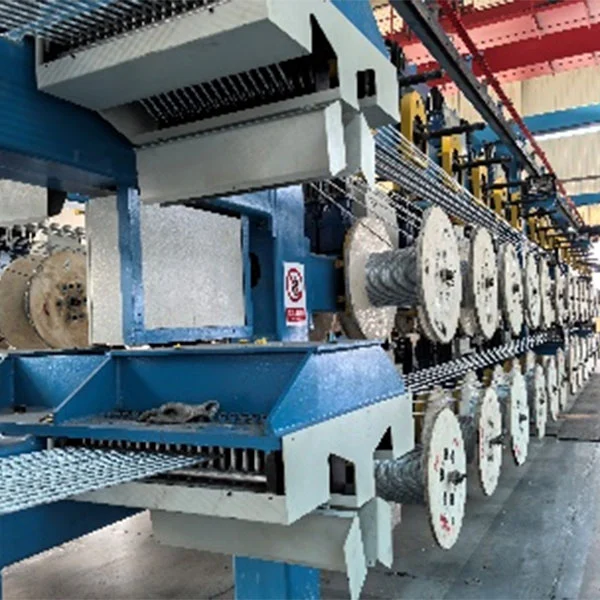
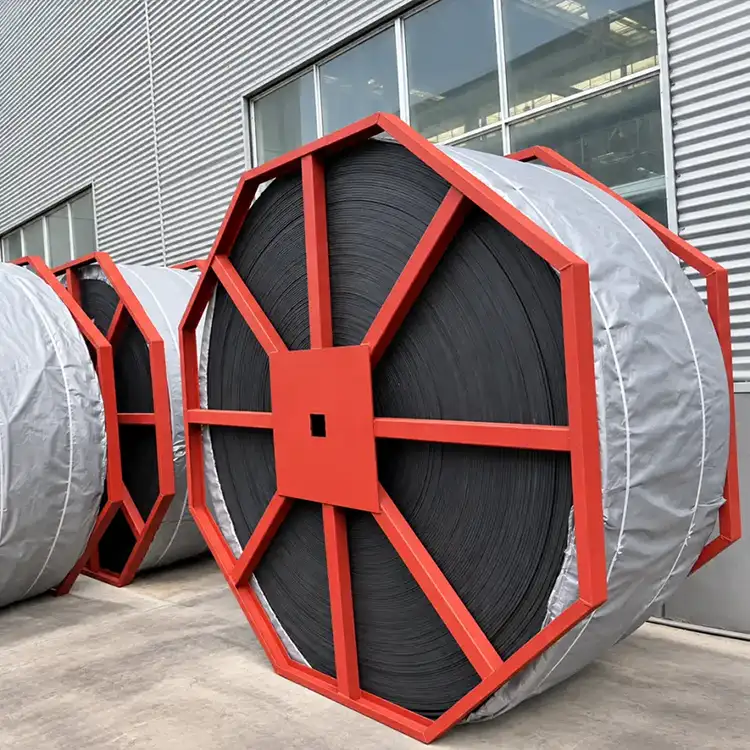
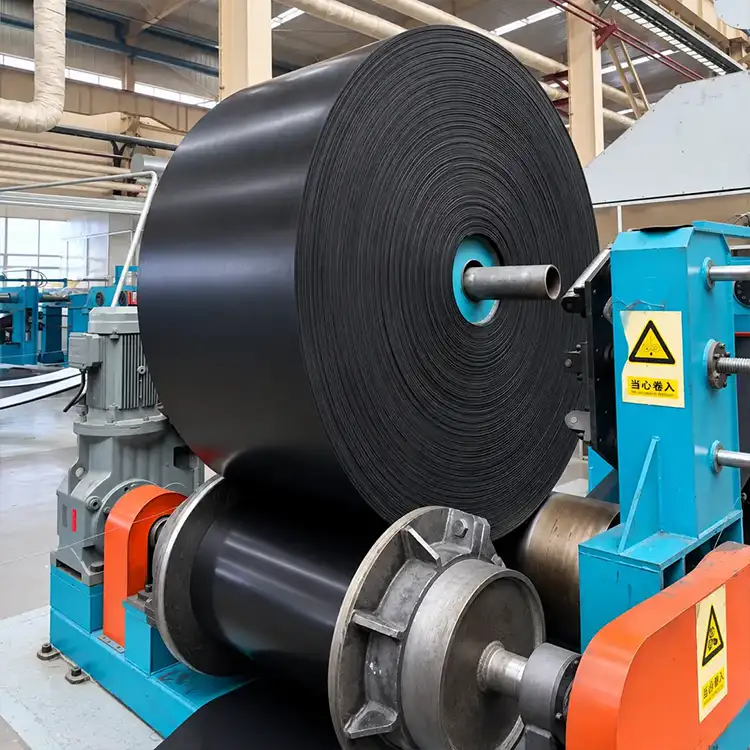
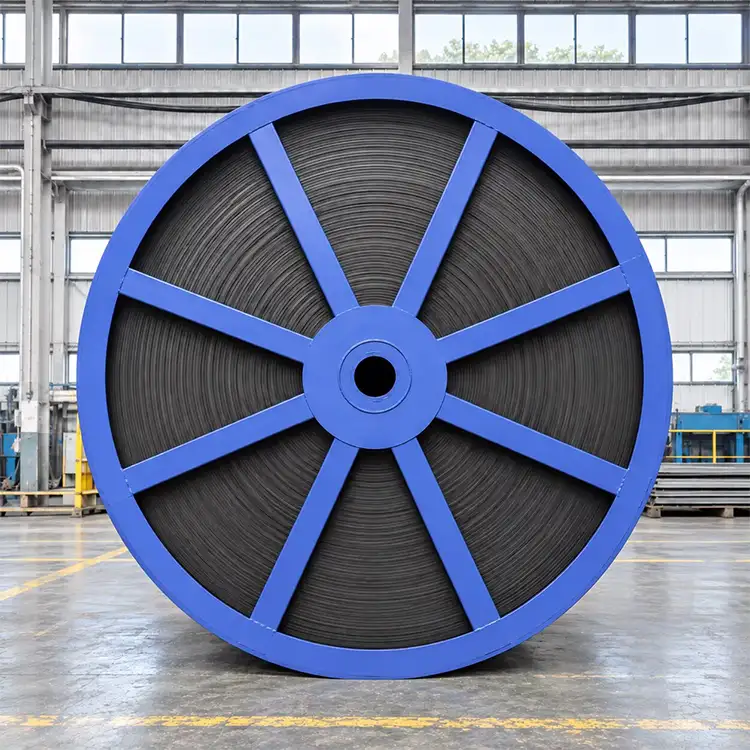
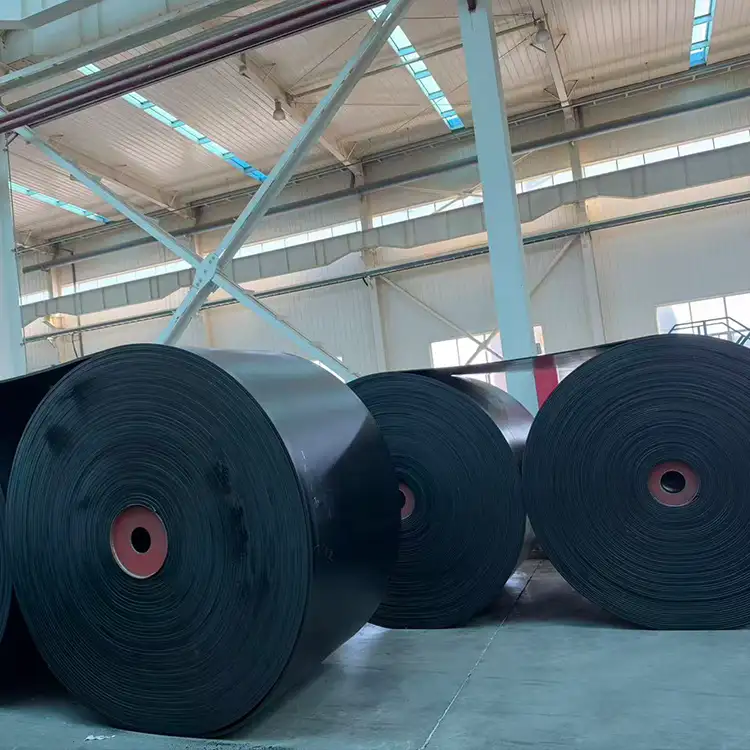
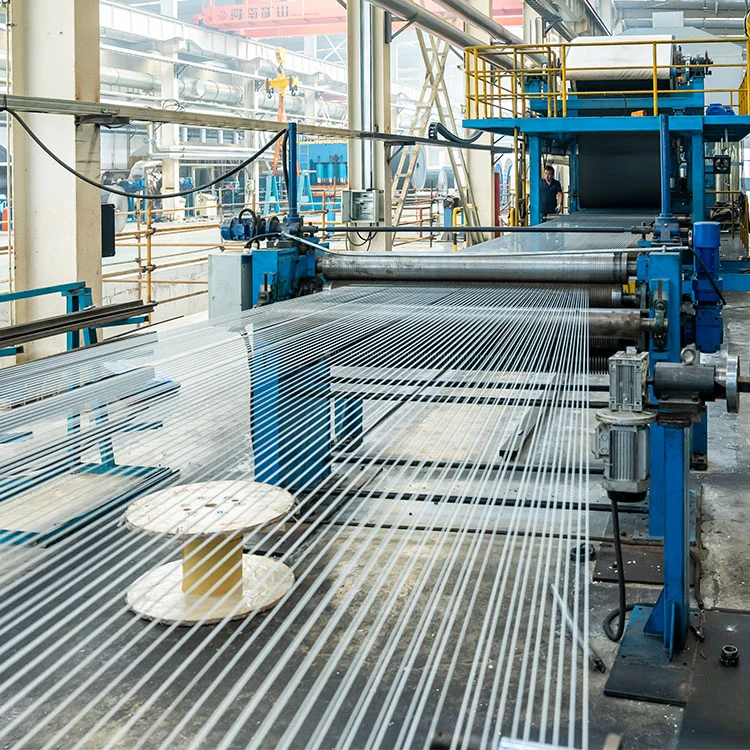
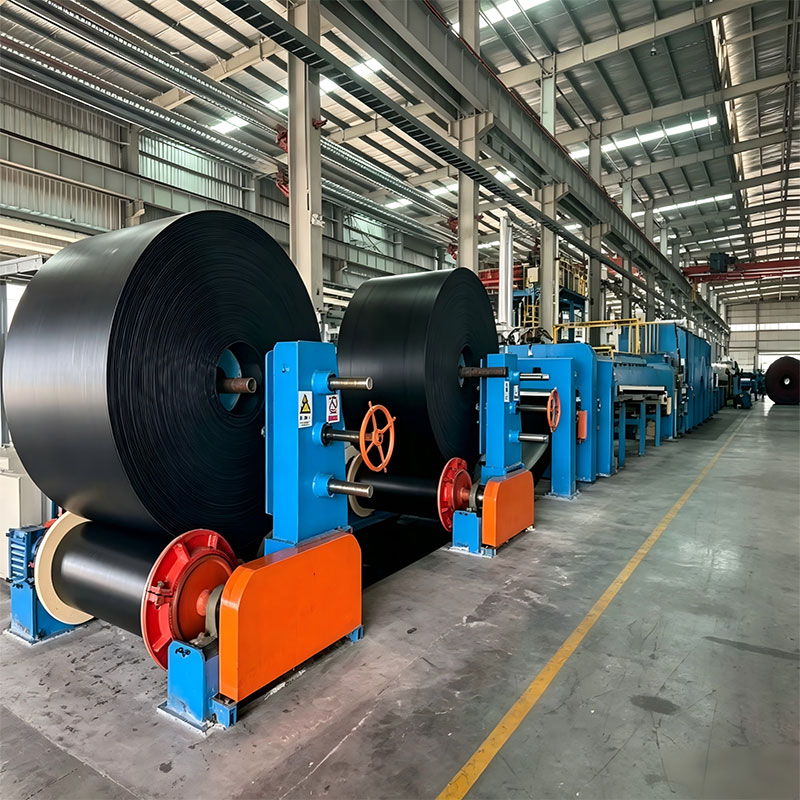
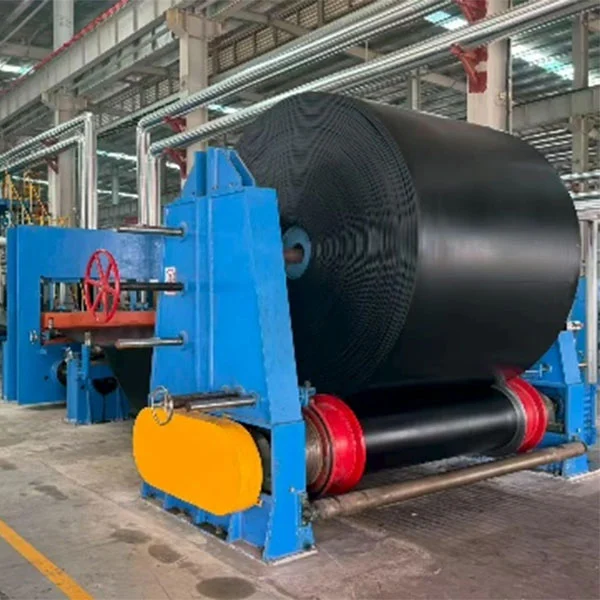
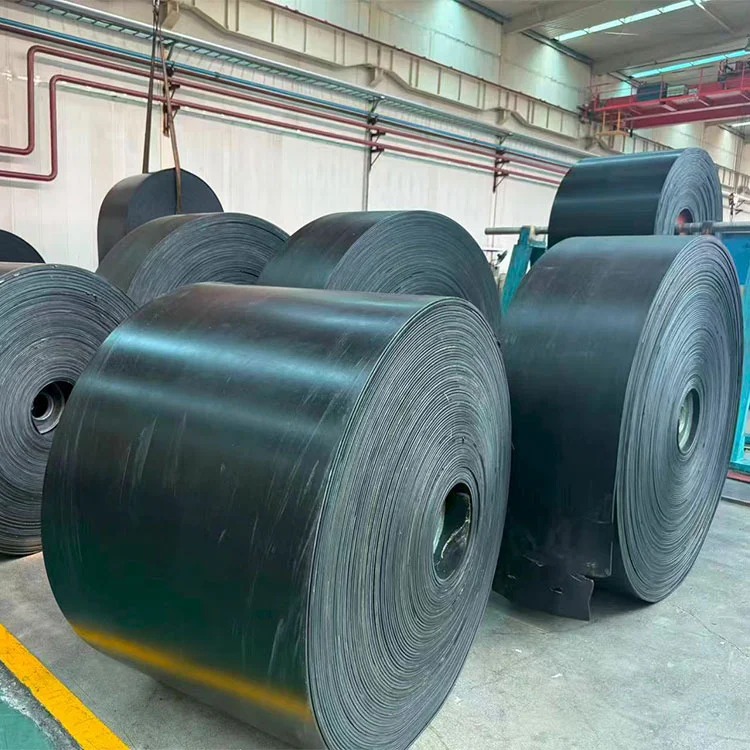
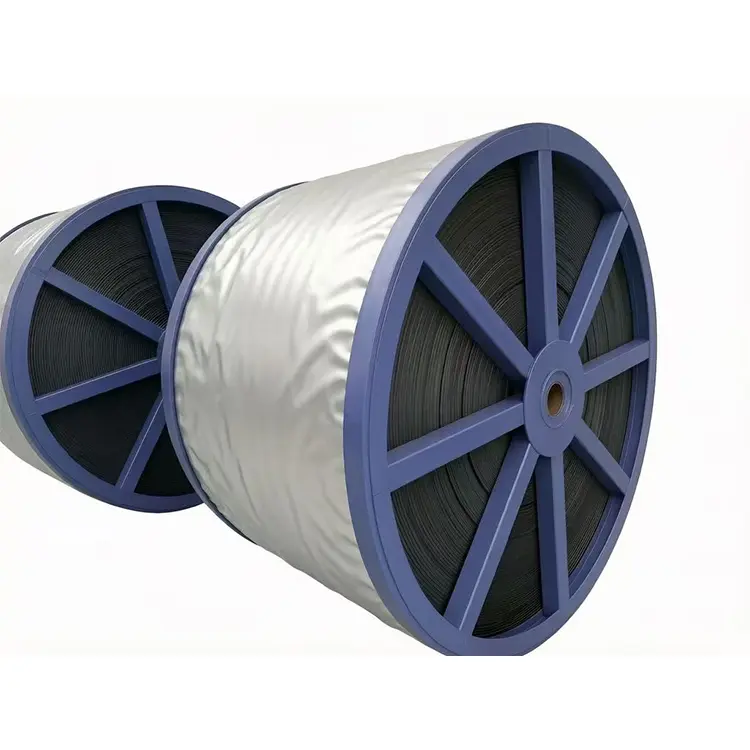
Steel Cord Conveyor Belts are designed for heavy-duty conveying systems requiring high tensile strength, long distances, and high conveying capacities. Unlike fabric-core conveyor belts, this product uses longitudinal steel cords as a reinforcing layer, offering superior strength and low elongation to ensure stable operation under high load conditions. With an optimized cord arrangement, advanced rubber bonding technology, and rigorous quality control, our belts provide reliable performance for long-distance conveying systems and effectively reduce maintenance requirements.
High Tensile Strength for Long Distance Conveying
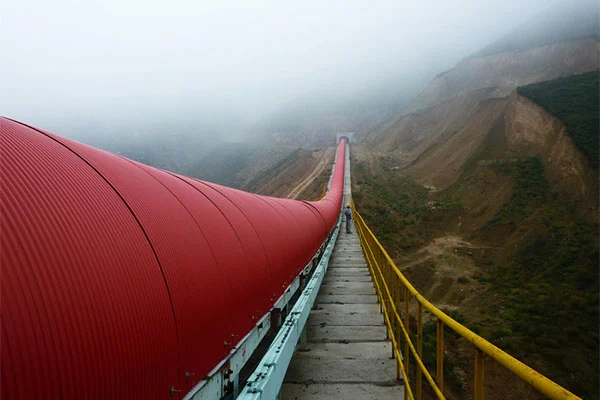
The steel cord reinforcement structure allows the belt to withstand higher tension compared with conventional fabric conveyor belts. It is suitable for long-span conveyor systems transporting heavy materials such as iron ore, coal, limestone and minerals. For large mining and bulk handling projects, steel cord conveyor belts help reduce the number of transfer points and improve overall conveying efficiency.
Low Elongation and Stable Running Performance
Steel cords have minimal elongation during operation, allowing conveyor systems to use shorter take-up strokes. This reduces installation space requirements and helps maintain stable belt tension during continuous operation.
Smaller Pulley Diameter Design
The flexible steel cord structure provides good resistance to repeated bending fatigue. This allows conveyor systems to use smaller pulley diameters while maintaining reliable belt performance.
Strong Adhesion Between Steel Cord and Rubber
The steel cords are treated with zinc coating to improve bonding performance with rubber. Combined with specially formulated rubber compounds, the belt provides strong adhesion between reinforcement and cover rubber, reducing the risk of separation during heavy-duty operation.
Uniform Steel Cord Arrangement
During manufacturing, steel cords are precisely arranged to maintain consistent spacing and tension. This improves belt balance during operation and helps reduce deviation problems.
Excellent Troughability
Because the belt does not contain transverse reinforcement, it can form a deeper trough shape. This improves loading capacity and helps prevent material spillage during transportation.
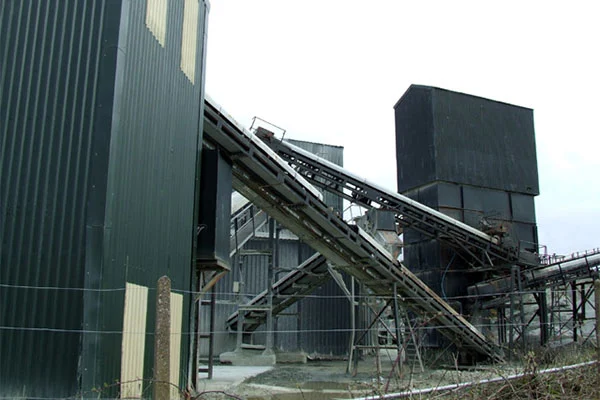
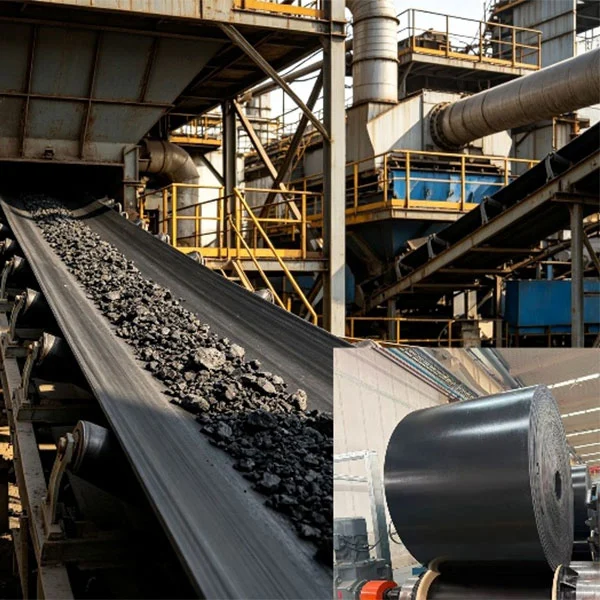
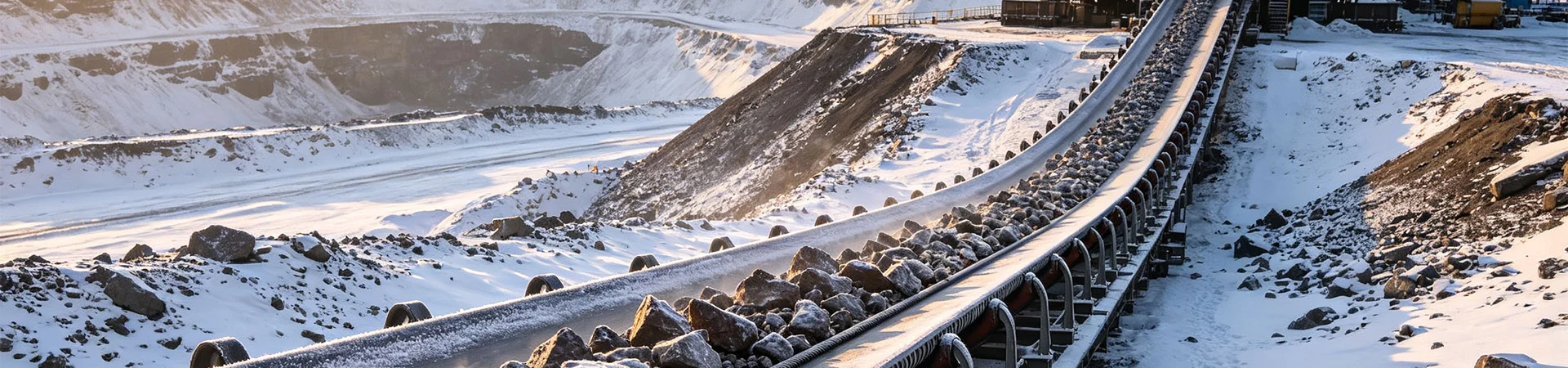
Steel cord conveyor belts are widely used for transporting iron ore, copper ore, coal and other bulk minerals in open-pit mines and underground mining systems.
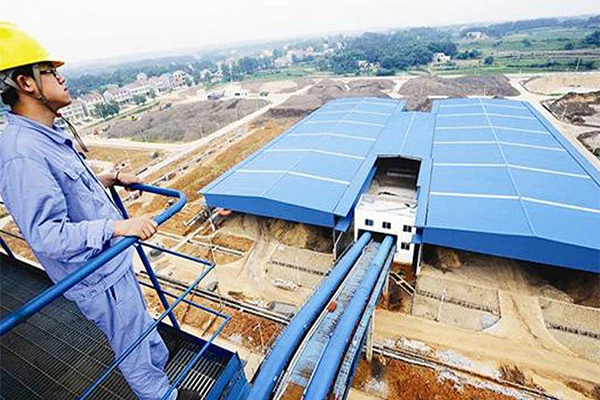
Used for long-distance transportation of limestone, clinker and other raw materials requiring continuous heavy-duty operation.
Suitable for ship loading, unloading and stockyard conveying systems handling coal, grain, fertilizer and aggregates.
Used in coal transportation systems and large-scale fuel handling facilities.
The correct steel cord conveyor belt selection depends on:
Qingdao Global engineers can recommend suitable belt structures and rubber compounds based on actual working conditions.
| Strength | ST | ST | ST | ST | ST | ST | ST | ST | ST | ST | ST | ST | ST |
| 630 | 800 | 1000 | 1250 | 1600 | 2000 | 2500 | 3150 | 4000 | 4500 | 5000 | 5400 | 6300 | |
| Adhesion N/mm GB9770-88 | 54 | 60 | 64 | 69 | 74 | 84 | 98 | 108 | 118 | 60 | 60 | 60 | 60 |
| Adhesion N/mm DIN22131-88 | 60 | 70 | 80 | 95 | 105 | 105 | 130 | 140 | 145 | 150 | 165 | 175 | 180 |
| Beltstrength(st-No.) | Corddia max(mm) | Cord Structure | Pitch P(mm) | Standard rubber cover thickness t1t2(mm) | Belt weight(Kg/m²) | Min.Pulley Diam. (mm) | Core strength/piece |
| ST-630 | 3 | 6*7+1WS | 10 | 5*5 | 20 | 800 | 6.93 |
| ST-800 | 3.5 | 6*7+1WS | 10 | 5*5 | 20.6 | 800 | 8.8 |
| ST-1000 | 4 | 6*7+1WS | 12 | 6*6 | 24.7 | 800 | 12.9 |
| ST-1250 | 4.5 | 6*7+1WS | 12 | 6*6 | 25.4 | 800 | 16.1 |
| ST-1600 | 5 | 6*7+1WS | 12 | 6*6 | 26 | 1000 | 20.6 |
| ST-2000 | 6 | 6*7+1WS | 12 | 8*6 | 30 | 1000 | 25.6 |
| ST-2500 | 7.5 | 6*19W+1WS | 15 | 8*6 | 32.2 | 1250 | 40 |
| ST-3150 | 8.1 | 6*19W+1WS | 15 | 8*8 | 35.7 | 1400 | 50.5 |
| ST-4000 | 8.9 | 6*19W+1WS | 15 | 8*8 | 37.8 | 1600 | 63.5 |
| ST-4500 | 9.7 | 6*19W+1WS | 16 | 8*8 | 38.7 | 1800 | 76.3 |
| ST-5000 | 10.9 | 6*19W+1WS | 17 | 8.5*8.5 | 41.9 | 1800 | 91 |
| ST-5400 | 11.3 | 6*19W+1WS | 17 | 9*9 | 43.9 | 2000 | 95.2 |
| ST-6300 | 12.5 | 6*19W+1WS | 19.5 | 10*10 | 48.3 | 2000 | 130.4 |
| ST-7000 | 13.5 | 6*19W+1WS | 19.5 | 10*10 | 48.3 | 2000 | 142.4 |
| ST-7500 | 15 | 6*19W+1WS | 21 | 10*10 | 48.3 | 2000 | 166.7 |
| Belt width(mm) | ST630 | ST800 | ST1000 | ST1250 | ST1600 | ST2000 | ST2500 | ST3150 | ST4000 | ST4500 | ST5000 | ST5400 | ST6300 | ST7000 | ST7500 |
| 800 | 75 | 75 | 63 | 63 | 63 | 63 | 50 | 50 | 51 | 48 | 45 | 45 | N/A | N/A | N/A |
| 1000 | 95 | 95 | 79 | 79 | 79 | 79 | 64 | 64 | 64 | 59 | 55 | 55 | N/A | N/A | N/A |
| 1200 | 113 | 113 | 94 | 94 | 94 | 94 | 76 | 76 | 77 | 71 | 66 | 66 | 58 | 59 | 54 |
| 1400 | 133 | 133 | 111 | 111 | 111 | 111 | 89 | 89 | 90 | 84 | 70 | 70 | 68 | 69 | 64 |
| 1600 | 151 | 151 | 126 | 126 | 126 | 126 | 101 | 101 | 104 | 96 | 90 | 90 | 78 | 80 | 73 |
| 1800 | 171 | 171 | 143 | 143 | 143 | 143 | 114 | 114 | 117 | 109 | 102 | 102 | 89 | 90 | 83 |
| 2000 | 191 | 191 | 159 | 159 | 159 | 159 | 128 | 128 | 130 | 121 | 113 | 113 | 99 | 100 | 92 |
| 2200 | 211 | 211 | 176 | 176 | 176 | 176 | 141 | 141 | 144 | 134 | 125 | 125 | 109 | 110 | 102 |
| 2400 | 231 | 231 | 193 | 193 | 193 | 193 | 155 | 155 | 157 | 146 | 137 | 137 | 119 | 119 | 110 |
| Test items | Property indexes | |||||
| GB700-88 | DIN22131-88 | |||||
| Class H | Class M | Class W | ClassX | Class Y | ||
| Tensile strength | Mpa≥ | 17.65 | 13.75 | 18 | 25 | 20 |
| Elongation at break | %≥ | 450 | 400 | 400 | 450 | 400 |
| After aging Change rate of tensile strength Change rate of elongation | % | -25~+250 | -25~+250 | -25~+250 | -25~+250 | -25~+250 |
| Abrasion | ≤ | 0.6cm3/1.61Km | 0.8cm3/1.61Km | 90cm3 | 120cm3 | 150cm3 |
Choosing a conveyor belt supplier is not only about product price. For large industrial projects, stable quality, production capability and technical support directly affect equipment operation efficiency.
Qingdao Global provides:
Founded in 2008, with more than 15 years of conveyor belt production experience.
660,000 m² manufacturing area, more than 100 production lines and annual capacity of 21 million m².
Independent laboratory with DIN, ISO and GB testing capabilities.
Professional engineers provide belt selection and application solutions.
Products supplied to customers in more than 50 countries.
Support for customized specifications, private labeling and long-term supply cooperation.