Email
WhatsApp

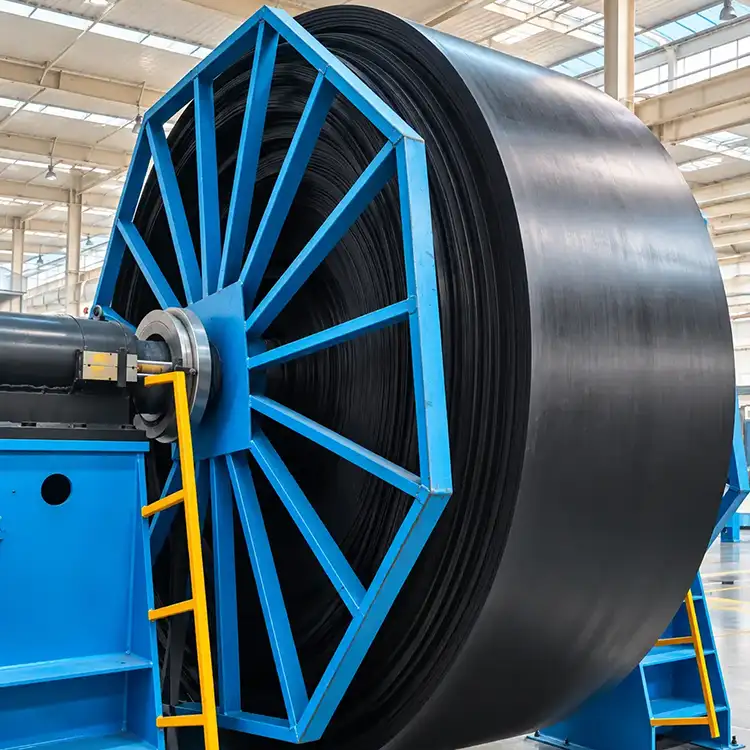
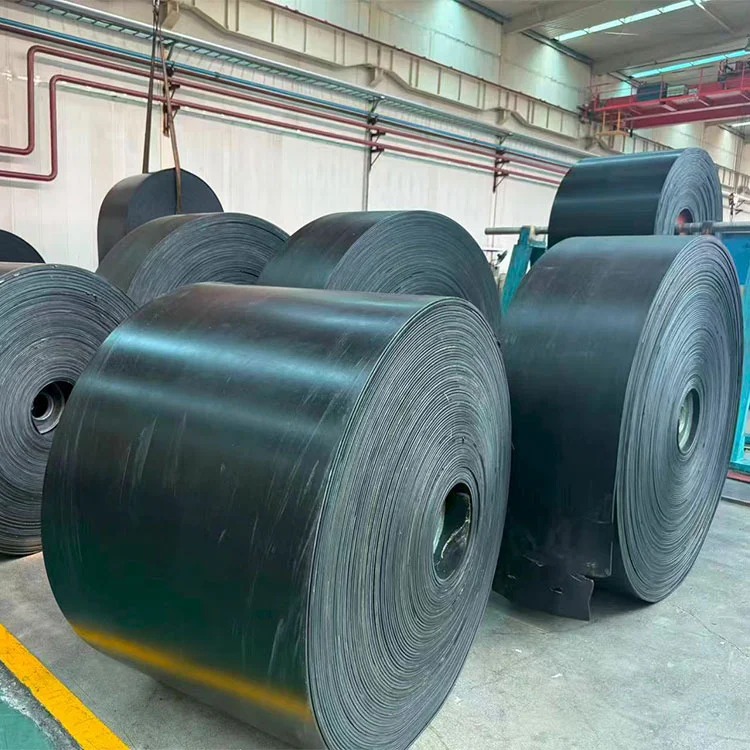
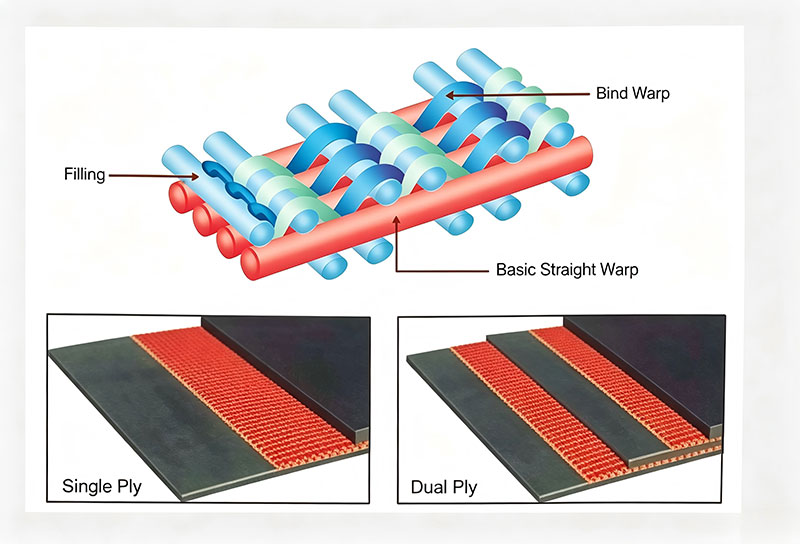
Straight Warp Conveyor Belts are designed for demanding bulk material conveying applications. They feature a unique single-layer structure composed of straight longitudinal polyester warp yarns and straight transverse polyamide weft yarns. The warp yarns are reinforced with tensioning threads, forming a lightweight yet extremely durable skeleton.
This structure gives the conveyor belt excellent impact resistance, tear resistance, and resistance to repeated bending, making it suitable for mines, quarries, ports, steel mills, and other heavy-duty conveying systems.
1. The performance of Straight Warp Belt comes from its internal reinforcement design.
2. During operation, longitudinal warp yarns carry the main tensile forces generated by belt movement and material load. The straight polyester structure allows the pulling force to be distributed evenly across the belt length, reducing deformation during high-tension operation.
3. The transverse polyamide weft yarns provide resistance against impact and tearing. When large or sharp materials fall onto the belt surface, the weft structure helps absorb impact energy and prevents damage from spreading through the carcass.
4. The binder yarn system connects the warp and weft yarns into a compact reinforcement layer. This allows the belt to maintain structural stability while repeatedly passing through pulleys and conveyor rollers.
5. As a result, the Belt achieves a balance between strength, flexibility and impact resistance, making it suitable for demanding bulk material conveying conditions.
Traditional multi-ply conveyor belts rely on several fabric layers bonded together. Under severe impact conditions, stress can concentrate between different layers and may lead to internal separation over long-term operation.
Straight Warp Conveyor Belt uses a single-layer straight warp fabric structure. The longitudinal and transverse yarns work together as one reinforced body, improving load distribution and structural stability.
This construction provides:
High resistance to impact damage, Better resistance to tearing, Reduced risk of ply separation, Stable performance under heavy loading
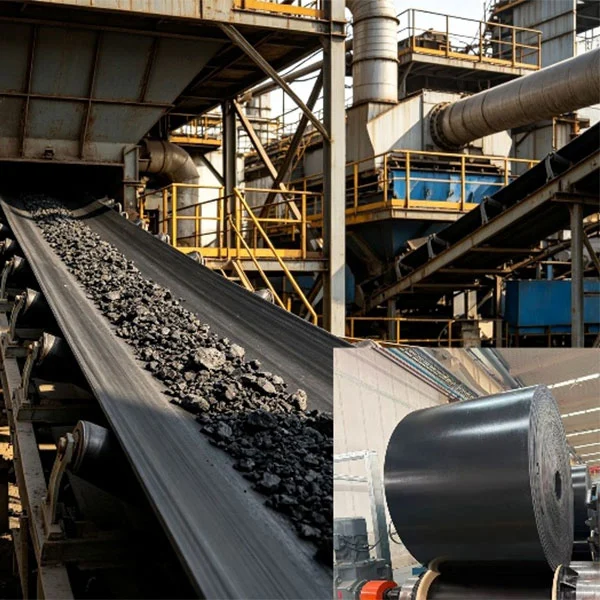
Straight Warp Conveyor Belts are mainly used where conveyed materials create high mechanical stress on the belt surface.
Typical materials include:
Iron ore, Copper ore, Limestone, Coal, Rock, Aggregates, Steel plant raw materials
The strong fabric structure helps absorb impact forces caused by large material drops and continuous loading.
The single-layer straight warp fabric structure provides better resistance against impact, tearing and flex fatigue compared with multi-ply designs.
This makes Straight Warp Belts particularly suitable for applications involving large lump materials, sharp edges and heavy loading conditions where conventional belts may experience premature failure.
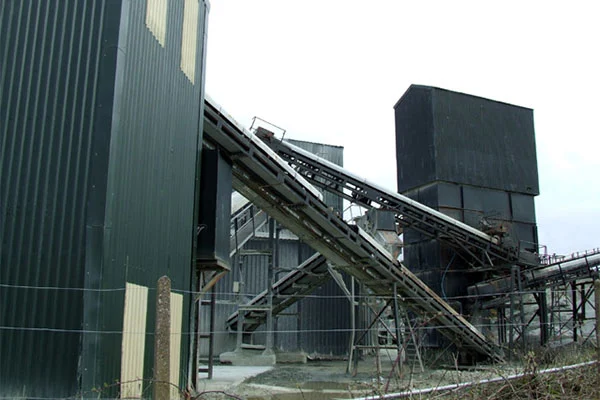
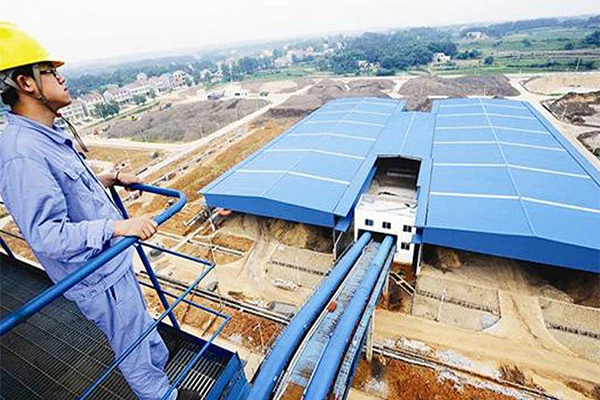
Straight Warp Conveyor Belts are widely used in mines transporting iron ore, copper ore, coal and other heavy materials. They are especially suitable for sections where large material impact occurs during loading or transfer.
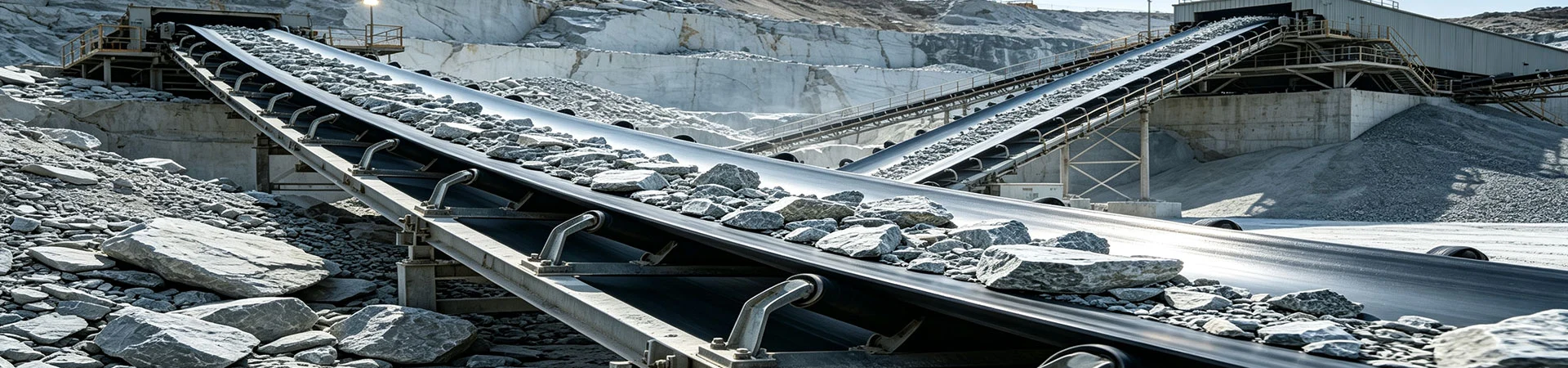
In quarry operations, belts are frequently exposed to sharp stones and high impact forces. The reinforced structure helps improve resistance against cuts and tearing, supporting continuous aggregate transportation.
Steel plants require conveyor systems capable of handling heavy raw materials such as iron ore, coke and sintered products. It provides stable performance under demanding industrial conditions.
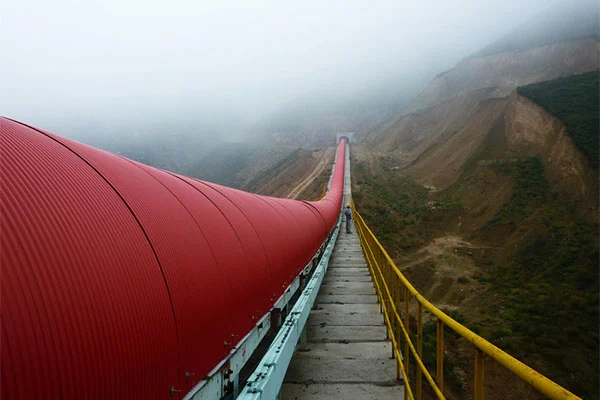
Large-scale bulk handling systems require belts that can operate under high throughput conditions. Straight Warp Conveyor Belts are suitable for ship loading, stockyard transportation and bulk material transfer applications.
| GRADE | TENSILE STRENGTH(Nmm) | WORKING TENSION RATING(N/mm) | 10%STRETCH(%) | APPROX.CARCASS THICKNESS(mm) |
| SW 400 | MIN.400 | 40 | MAX.1.0 | 2.0-2.3 |
| SW500 | MIN.500 | 50 | MAX.1.0 | 2.3-2.4 |
| SW630 | MIN.630 | 63 | MAX.1.0 | 2.5-2.8 |
| Sw800 | MIN.800 | 80 | MAX.1.0 | 2.9-3.0 |
| SW 1000 | MIN.1000 | 100 | MAX.1.0 | 3.5-3.8 |
| SW 1250 | MIN.1250 | 125 | MAX.1.0 | 4.0-4.1 |
| SW 1400 | MIN.1400 | 140 | MAX.1.0 | 4.1-4.2 |
| SW 1600 | MIN.1600 | 160 | MAX.1.0 | 5.0-5.1 |
| SW1800 | MIN.1800 | 180 | MAX.1.0 | 5.3-5.4 |
| SW 2000 | MIN.2000 | 200 | MAX.1.0 | 5.7 |
| Item | Straight Warp Belt | Multi-Ply Fabric Conveyor Belt |
| Reinforcement Structure | Mono-ply straight warp fabric | Multiple fabric layers |
| Impact Resistance | Higher resistance to sudden impact | Standard impact performance |
| Tear Resistance | Excellent | Moderate to good |
| Flex Fatigue Resistance | Excellent | Depends on ply structure |
| Weight Efficiency | High strength with lighter structure | Requires more layers for high strength |
| Heavy-duty Application | Suitable for severe conditions | Suitable for general applications |
Selecting a Straight Warp Conveyor Belts requires evaluation of the complete conveying system.
Important factors include belt width, conveyor length, loading height, material size, impact level and required tensile strength.
For example, a conveyor handling large iron ore blocks requires different belt construction compared with a system transporting smaller aggregate materials.
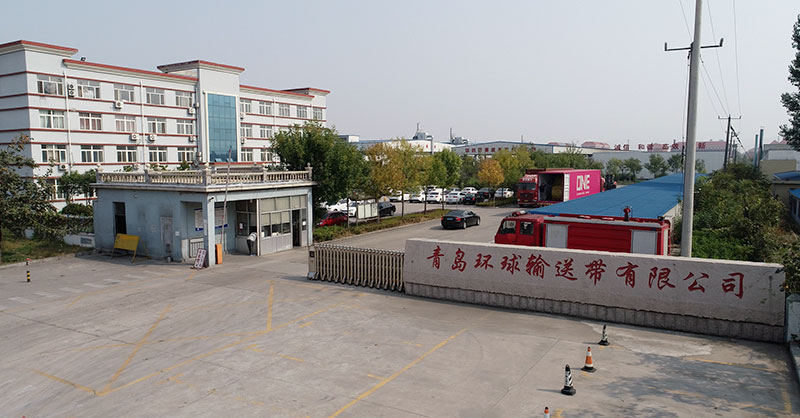
Qingdao Global provides technical recommendations based on actual operating conditions to select suitable fabric grades, cover rubber types and belt specifications.
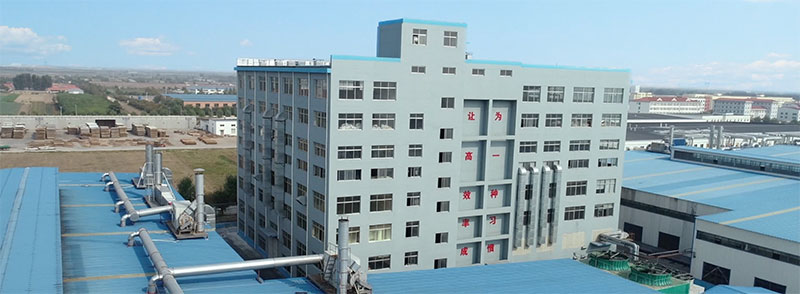
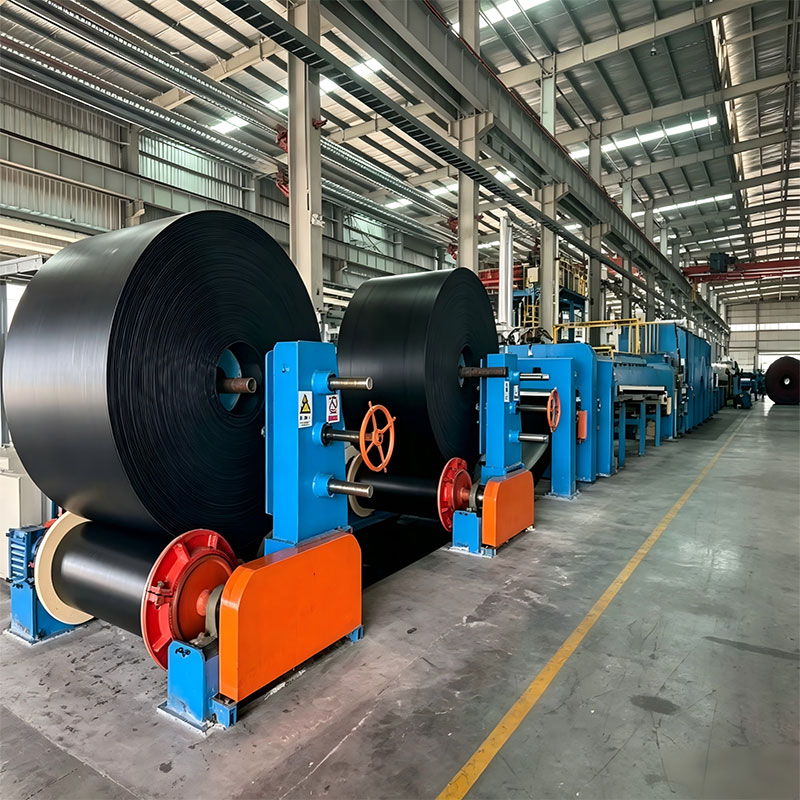
Qingdao Global Belting Group Co., Ltd. manufactures Straight Warp Belts through controlled processes including rubber compounding, fabric preparation, calendering, belt forming, vulcanization and final inspection.
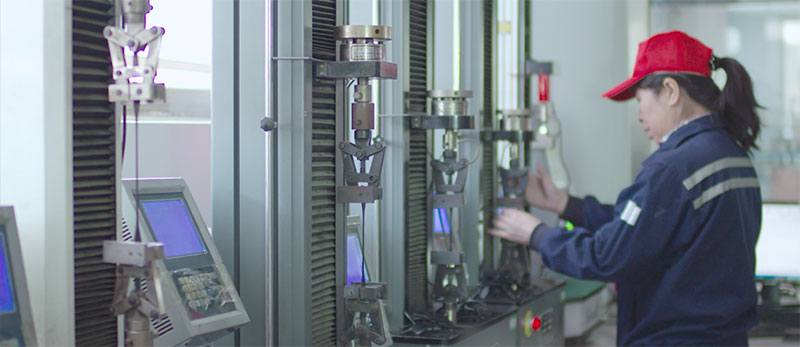
The company performs testing on key performance indicators including tensile strength, elongation, adhesion, abrasion resistance and aging performance.
With large-scale production facilities and professional engineering support, Qingdao Global supplies customized conveyor belt solutions for global mining, cement, steel and bulk material handling industries.