Email
WhatsApp

When it comes to protecting people and equipment in high-risk industrial environments, choosing the right Flame Resistant EP Conveyor Belt is a critical decision. At Global Belting, we understand that fire safety is not optional—it is a fundamental requirement for mining, power generation, and material handling operations. This blog explores the essential questions surrounding flame resistant EP conveyor belts, from what they are to why they matter, how to select them, and which standards apply. Whether you are upgrading your existing system or designing a new facility, understanding these belts can prevent catastrophic failures and ensure compliance with safety regulations.
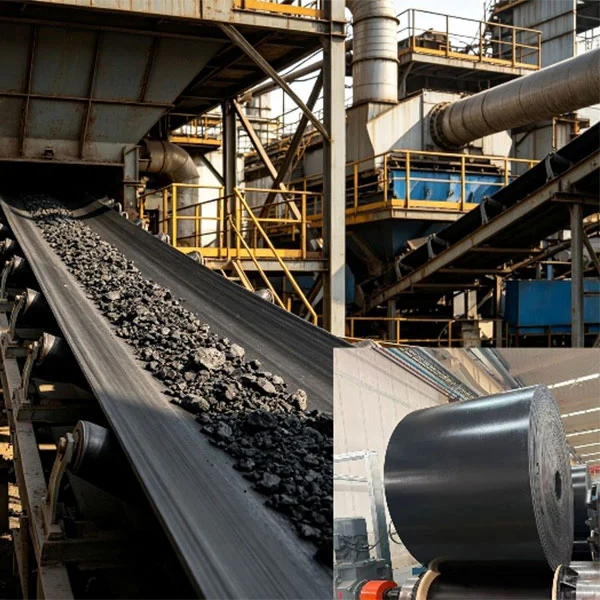
Table of Contents
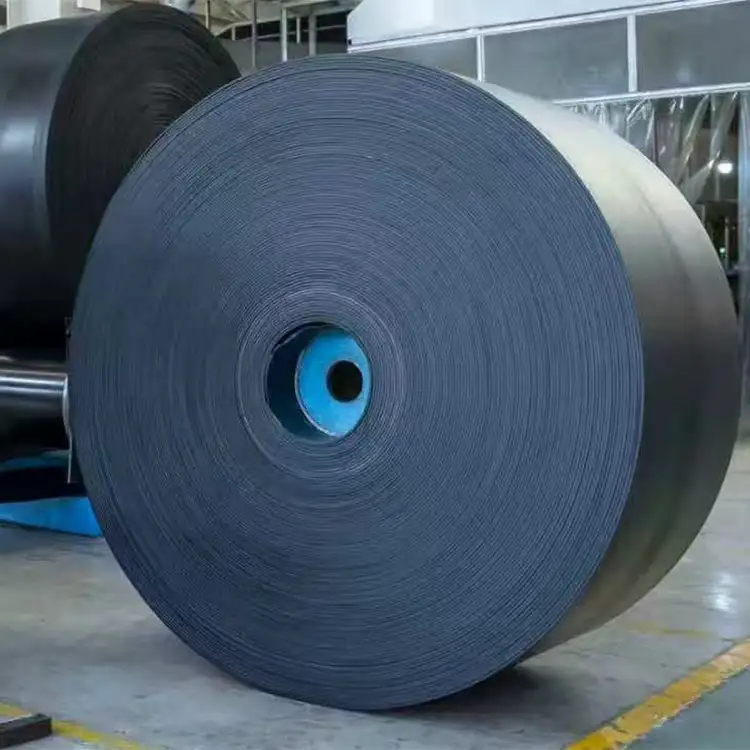
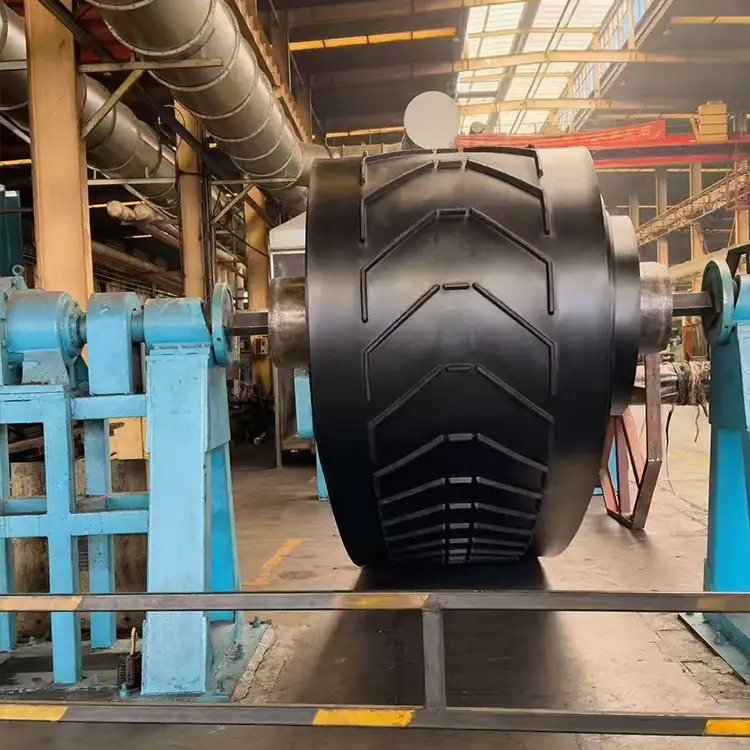
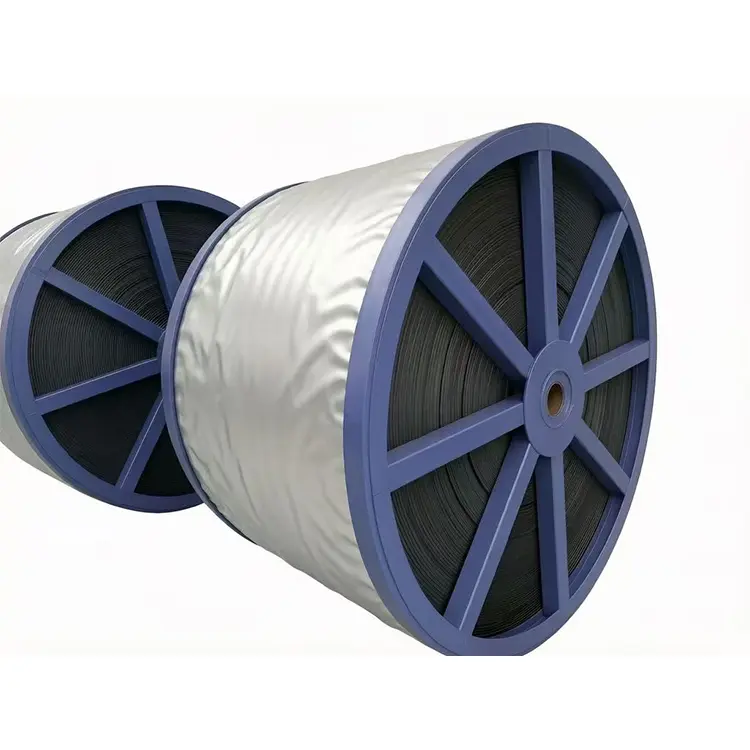
A Flame Resistant EP Conveyor Belt is a type of rubber conveyor belt constructed with an EP (polyester-nylon) fabric carcass and a specially formulated rubber cover that resists ignition and flame propagation. The "EP" stands for polyester warp and nylon weft, which provides high tensile strength, low elongation, and excellent impact resistance. The flame-resistant properties are achieved through the addition of fire-retardant chemicals to the rubber compound, which suppress combustion and slow the spread of fire even when exposed to an ignition source.
These belts are designed to self-extinguish once the external flame is removed, making them ideal for underground mining, coal handling, power plants, and any environment where combustible dust or materials are present. The working principle is straightforward: the rubber cover prevents the belt from catching fire easily, while the fabric carcass maintains structural integrity under high tension. Global Belting manufactures these belts with strict quality control to ensure consistent flame resistance throughout the entire belt length.
Industrial fires on conveyor systems can be devastating, leading to injuries, equipment loss, and production downtime. A Flame Resistant EP Conveyor Belt is essential for several reasons:
Without flame resistance, a small spark from friction or a hot material lump can ignite the belt, leading to a rapidly spreading fire. Global Belting's flame resistant EP belts are tested to international standards to provide reliable performance under the most demanding conditions.
Selecting the correct Flame Resistant EP Conveyor Belt involves evaluating several key parameters:
Global Belting offers technical consultation to help you match the right belt specification to your site conditions. We also provide OEM manufacturing support for custom widths, lengths, and cover compounds.
Several international and regional standards govern the flame resistance of conveyor belts. The most commonly referenced include:
When specifying a Flame Resistant EP Conveyor Belt, always confirm that the manufacturer's test certificates align with the standard required by your local authority. Global Belting provides full documentation and third-party test reports for every flame-resistant belt shipment.
Even the highest-quality flame resistant belt has a finite service life. You should consider replacement when any of the following signs appear:
Regular inspections and maintenance records are essential. Global Belting recommends a professional belt inspection at least annually for critical applications.
| Feature | Flame Resistant EP Conveyor Belt | Standard EP Conveyor Belt |
|---|---|---|
| Flame Propagation | Self-extinguishing; passes ISO 340 / EN 12881 | Does not self-extinguish; flammable |
| Ignition Resistance | High—fire-retardant additives in rubber compound | Low—standard rubber compound |
| Typical Applications | Underground mining, coal handling, power plants | General material handling, non-hazardous areas |
| Static Conductivity | Often available with anti-static properties | Standard non-conductive |
| Cost | 10-30% higher than standard belts | Lower initial cost |
| Regulatory Compliance | Meets MSHA, ISO, EN, AS standards | May not meet fire safety regulations |
Use this checklist to verify your belt selection and installation:
Q: What does "EP" stand for in a flame resistant conveyor belt?
A: EP stands for polyester-nylon (polyester warp, nylon weft). This fabric construction provides high strength and low elongation, making it ideal for demanding conveyor applications.
Q: Can a flame resistant EP conveyor belt be used in food processing?
A: Generally, no. Food-grade belts require specific FDA or EU-compliant rubber compounds. Flame resistant belts are typically designed for industrial applications like mining and coal handling. Consult Global Belting for specialty food-grade options.
Q: How often should flame resistance be tested?
A: Most standards require initial type testing. For in-service belts, annual or biennial testing is recommended, depending on the severity of the environment and local regulations.
Q: Are flame resistant belts also anti-static?
A: Not always. Flame resistance and anti-static properties are separate specifications. In explosive dust environments, you should specify both flame resistance and anti-static (surface resistance ≤ 3×10⁸ Ω).
Q: What is the typical lead time for a custom Flame Resistant EP Conveyor Belt?
A: Lead times vary by size and complexity. Global Belting typically delivers custom belts within 3-6 weeks, depending on order volume and raw material availability.
Q: Can I splice a flame resistant belt on site?
A: Yes, with the correct splicing method (vulcanized or mechanical). However, the splice must maintain flame resistance. Global Belting provides splicing kits and technical guidance.
Choosing the right Flame Resistant EP Conveyor Belt is an investment in safety, compliance, and operational reliability. At Global Belting, we combine decades of manufacturing expertise with rigorous testing to deliver belts that perform when it matters most. Our team is ready to assist with specification, certification, and after-sales support. Contact us today to discuss your flame resistant conveyor belt requirements and receive a competitive factory-direct quotation. Protect your people, your equipment, and your productivity—partner with Global Belting for flame-safe conveying solutions.