Email
WhatsApp


In many industrial conveying systems, materials are not completely dry. Oil, grease, solvents and chemical residues can gradually penetrate ordinary conveyor belt rubber and cause swelling, softening or loss of mechanical strength.
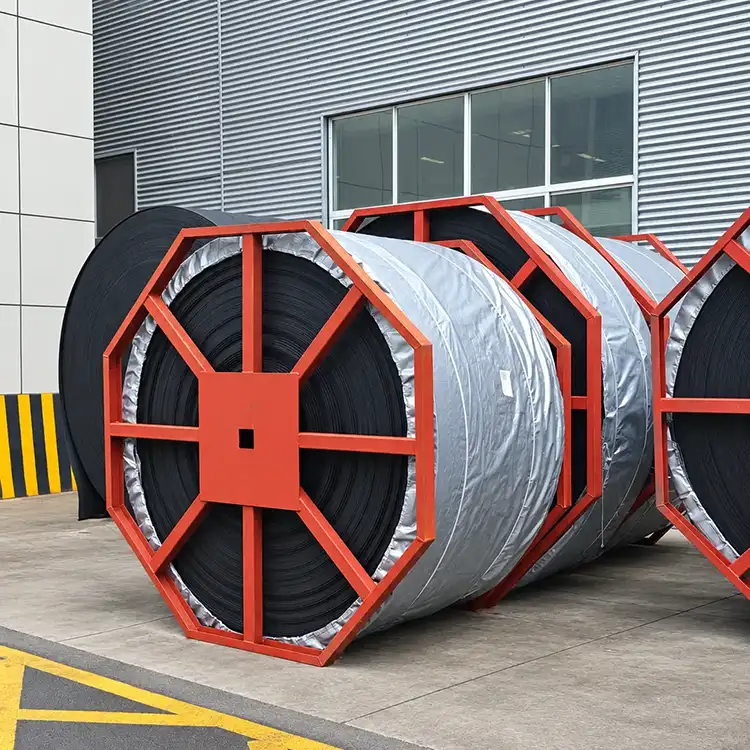
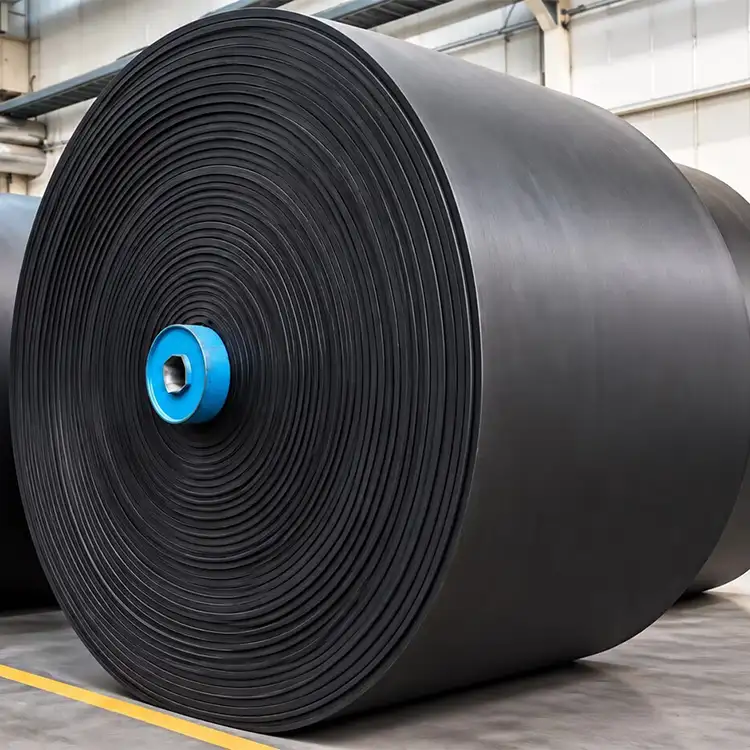
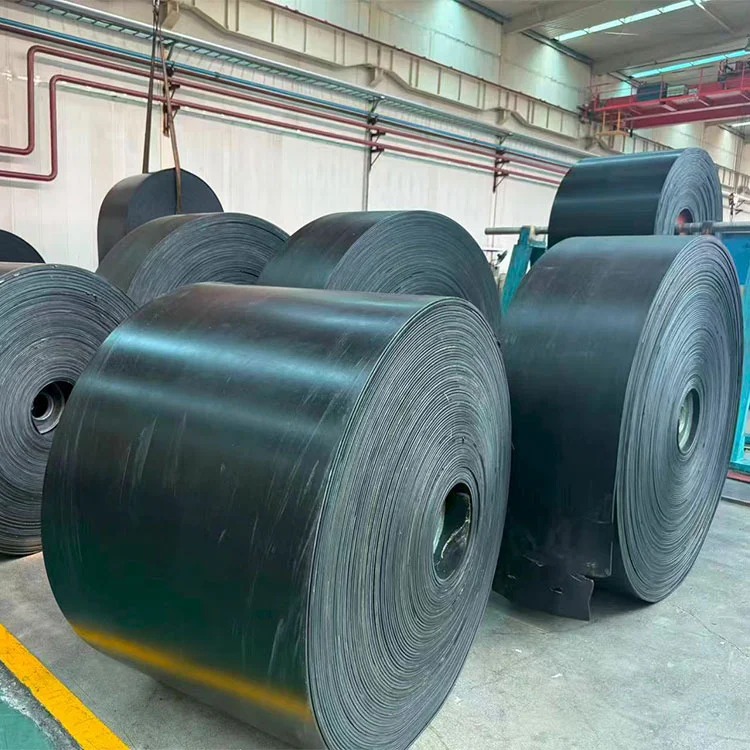
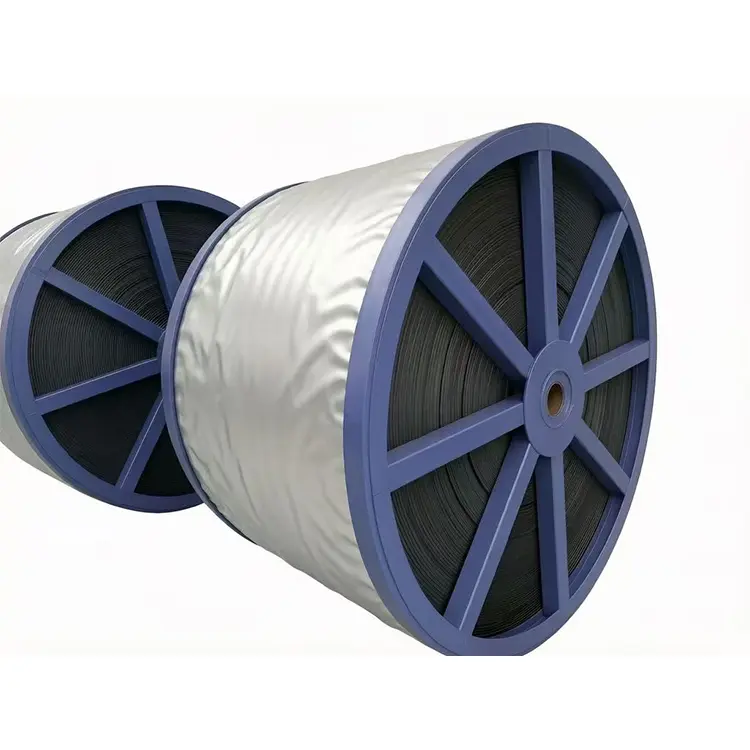
Oil Resistant Conveyor Belt is manufactured with specially formulated rubber compounds that reduce the influence of oil-based substances on the belt surface. The belt maintains better dimensional stability and wear performance when transporting materials containing oils, fats or chemical residues.
| MOR quality | OR quality | |
| Tensile Strength | ≥14N/mm² | ≥16 N/mm² |
| Abrasion | ≤200 mm³ | ≤160 mm³ |
| Elongation at break | ≥300% | ≥350% |
When oil contacts standard conveyor belt rubber, it can change the physical properties of the cover layer.
The rubber may absorb oil, resulting in swelling, reduced hardness and lower resistance against abrasion. Over time, this can affect belt tracking, material carrying performance and service life.
Oil-resistant conveyor belts use specially selected rubber compounds designed to limit oil absorption and maintain the original properties of the cover rubber.
This allows the belt to continue operating in environments where oil contamination is unavoidable.
The carrying cover is the first protection layer against oil exposure.
Qingdao Global develops different rubber formulations according to the type and concentration of oil present in the working environment. Different applications may require different levels of oil resistance, from moderate oil exposure to more demanding chemical environments.
The rubber formulation can be combined with other performance requirements, such as abrasion resistance, impact resistance and heat resistance, depending on the conveying conditions.
MOR grade is suitable for applications where the conveyed materials contain moderate amounts of oil or grease.
It is commonly used in industries such as grain processing, recycling and general industrial material handling where occasional oil contact occurs.
OR grade provides higher resistance against oil penetration and is designed for more demanding applications involving stronger oil exposure.
It is suitable for industries handling oily materials, chemical residues or products containing mineral oil.
The correct grade should be selected according to the actual material composition and operating environment.
The oil-resistant cover compound helps reduce absorption of oil-based substances, preventing excessive expansion and deformation of the belt surface. This improves belt stability during long-term operation.
Oil contamination can accelerate rubber wear. Oil-resistant rubber formulations help maintain surface durability when conveying materials with oil exposure.
By reducing belt deterioration caused by oil contact, the conveyor system can achieve more stable operation with fewer unexpected belt replacement requirements.
| Comparison | Oil Resistant Conveyor Belt | Standard Conveyor Belt |
|---|---|---|
| Resistance to Oil | Designed to reduce oil absorption | Limited resistance |
| Rubber Stability | Maintains properties under oil exposure | May soften or swell |
| Suitable Materials | Oily materials, chemical residues, greasy products | Dry bulk materials |
| Service Condition | Chemical and oil-contaminated environments | General conveying applications |
For dry materials such as ordinary aggregate or limestone, standard belts may be sufficient. However, when oil or grease is present, an oil-resistant belt provides better protection against premature rubber deterioration.
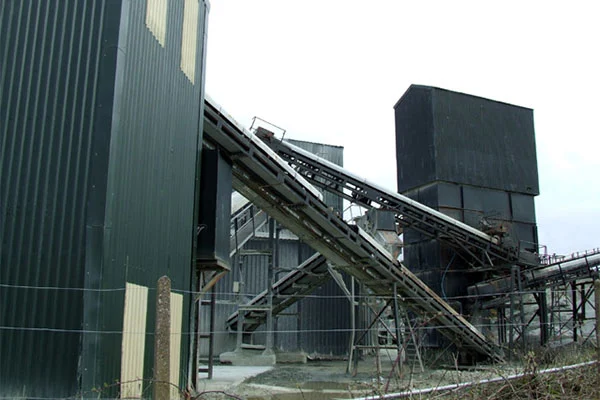
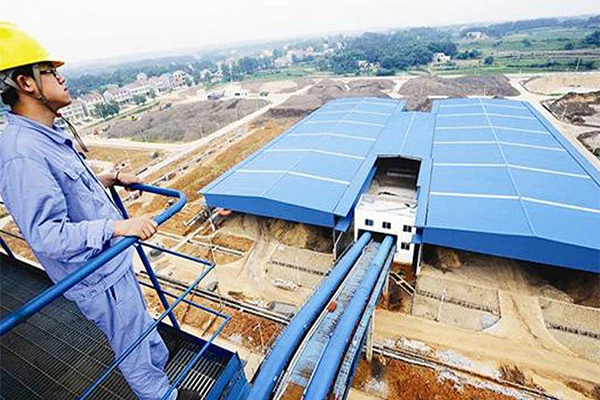
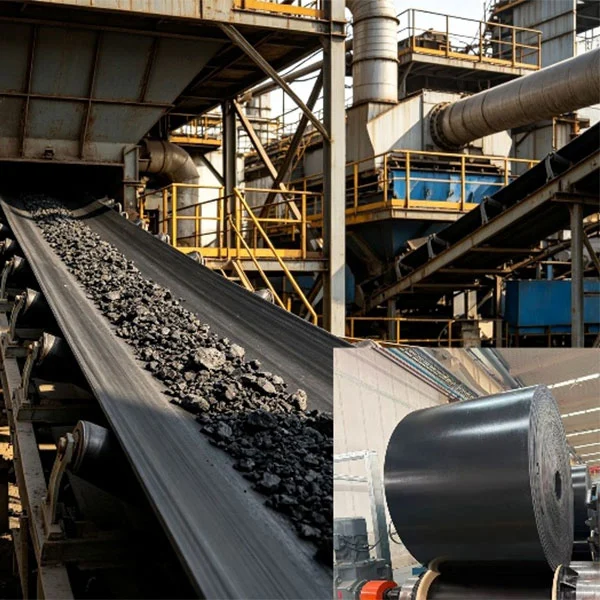
Oil-resistant conveyor belts are commonly used where transported materials or production environments contain oil-related substances.
In chemical and fertilizer industries, they are used for handling materials that may contain chemical residues or oily components.
In metal processing and steel industries, they are suitable for conveying materials exposed to lubricants, coolants or processing oils.
In recycling plants, they support transportation of mixed waste materials that may contain oil contamination.
In grain processing and feed industries, oil-resistant grades can be used for handling products containing vegetable oils or animal fats.
They are also suitable for applications in glass manufacturing, wood processing and other industrial environments where oil exposure may affect normal rubber belts.
Oil-resistant belts can be produced with different reinforcement structures according to conveyor requirements.
EP fabric reinforcement provides good dimensional stability and is suitable for general industrial conveying.
NN fabric reinforcement offers higher flexibility and impact absorption for applications involving dynamic loading.
Cross rigid XE-fabric structures can also be supplied for applications requiring additional transverse rigidity.
The reinforcement selection depends on belt width, conveyor length, loading impact and operating environment.
The correct belt selection depends on more than simply identifying whether oil exists.
Important factors include:
Vegetable oil, animal fat, mineral oil and chemical solvents can affect rubber differently. Therefore, selecting the correct rubber compound is essential for achieving reliable service performance.
Qingdao Global Belting Group Co., Ltd. specializes in manufacturing industrial conveyor belts for demanding material handling applications.
Founded in 2008, the company operates production facilities covering 660,000 square meters, including 24 workshops and more than 100 production lines. Annual production capacity reaches 21 million square meters.
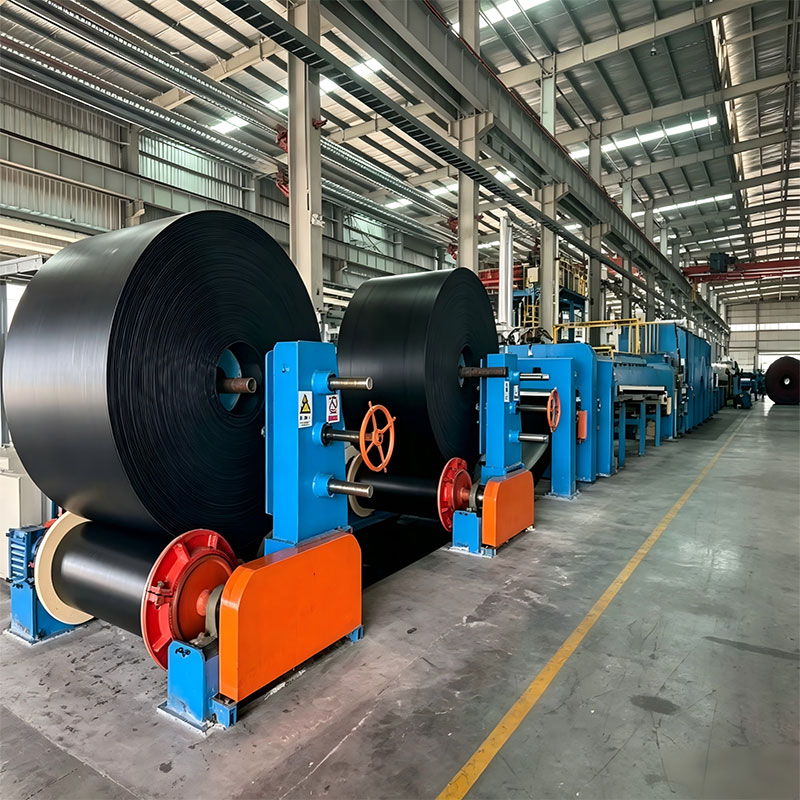
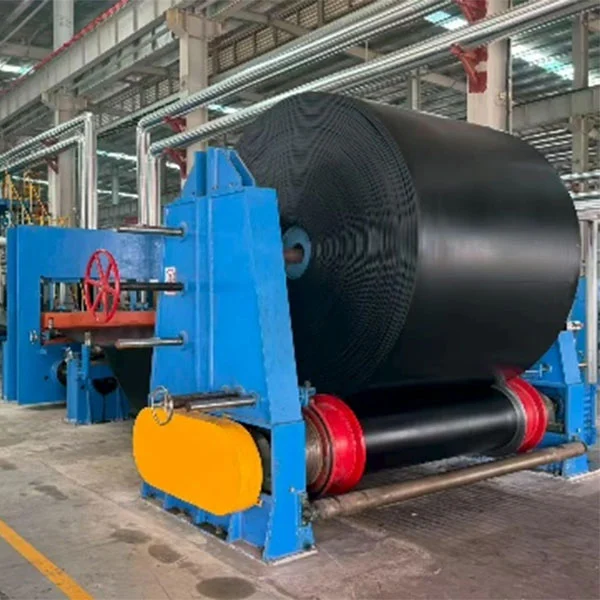
The manufacturing process includes rubber mixing, calendering, fabric preparation, belt forming, vulcanization and finished product testing.
The company laboratory performs testing for tensile strength, abrasion resistance, adhesion, aging performance and other physical properties.
With ISO 9001, ISO 14001 and ISO 45001 certified management systems, Qingdao Global supplies conveyor belt solutions to customers in more than 50 countries and regions.
Different industries face different types of oil contamination.
A belt used for recycling oily waste requires different protection compared with one used in grain processing or chemical production.
Qingdao Global provides customized solutions including:
By matching the belt material with the actual working environment, customers can improve conveyor reliability and reduce unnecessary maintenance.