Email
WhatsApp

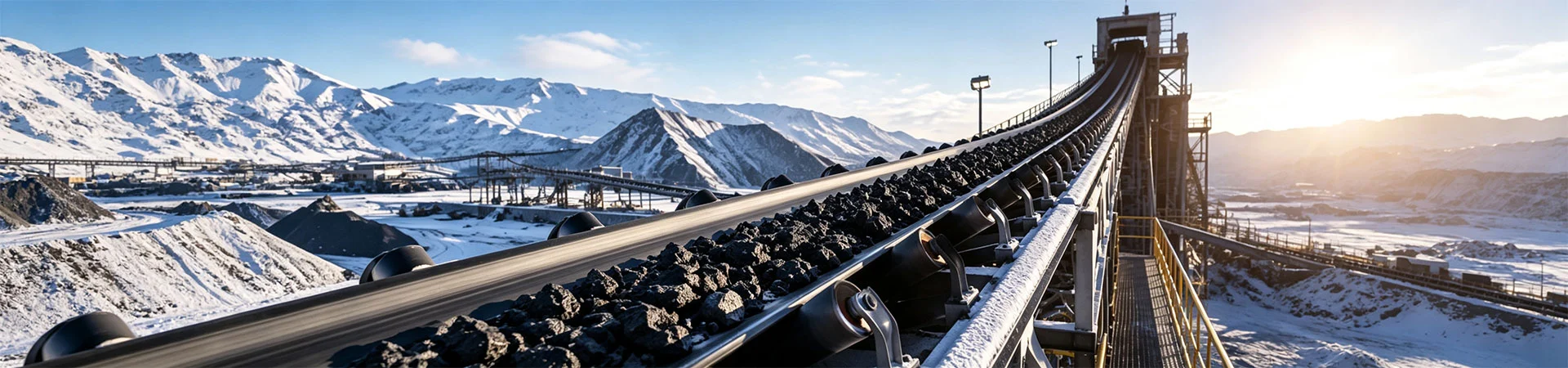
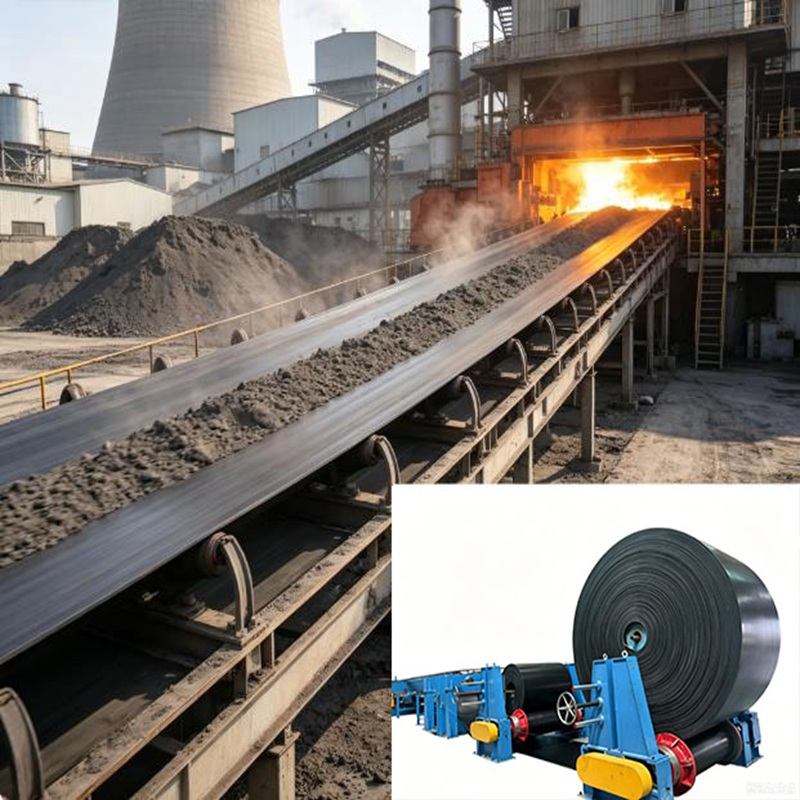
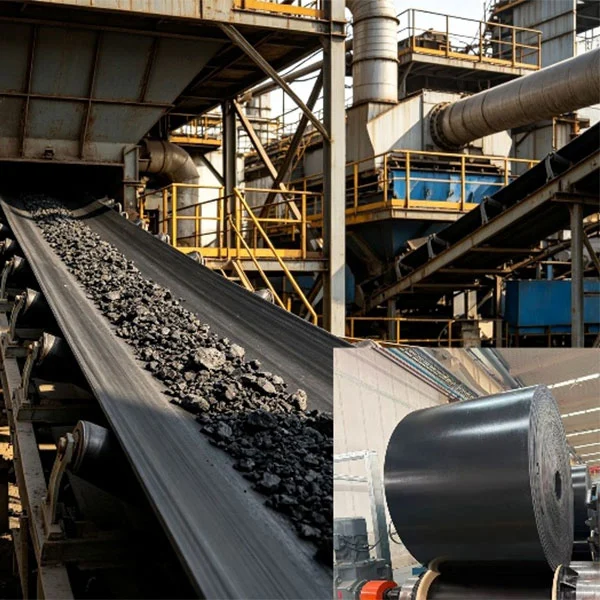
In industries such as cement, steel, foundries and chemical processing, conveyor belts are often exposed to hot materials that can accelerate rubber aging, surface cracking and loss of adhesion between belt layers.
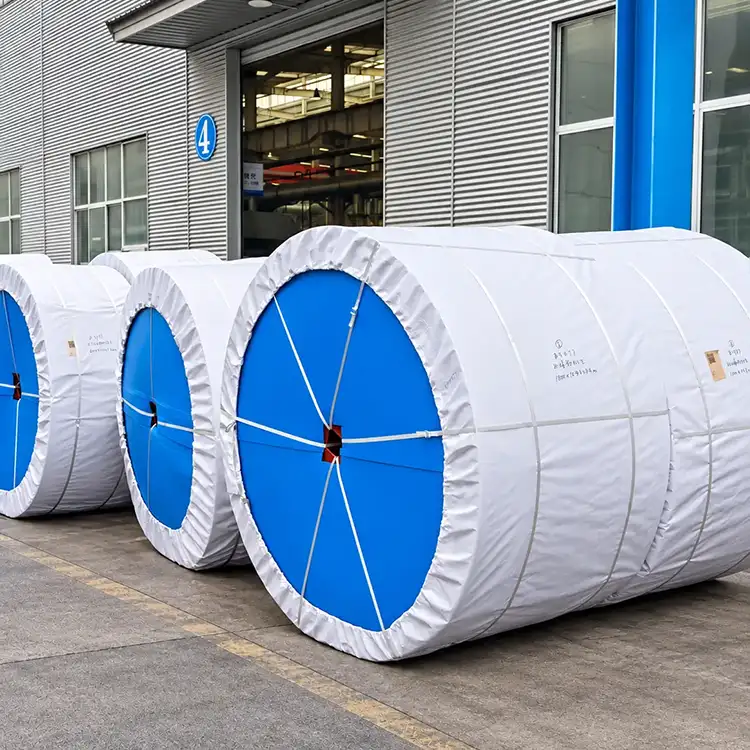
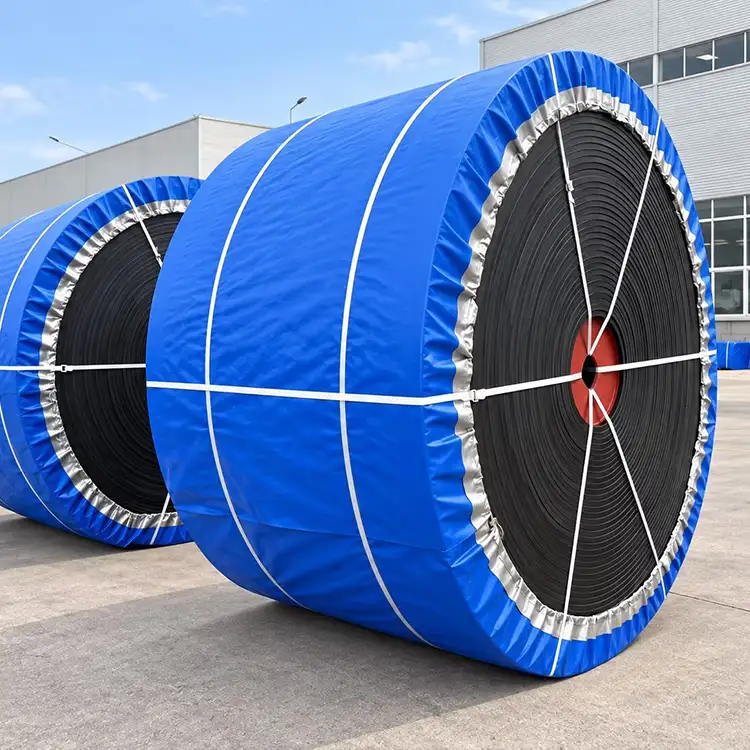
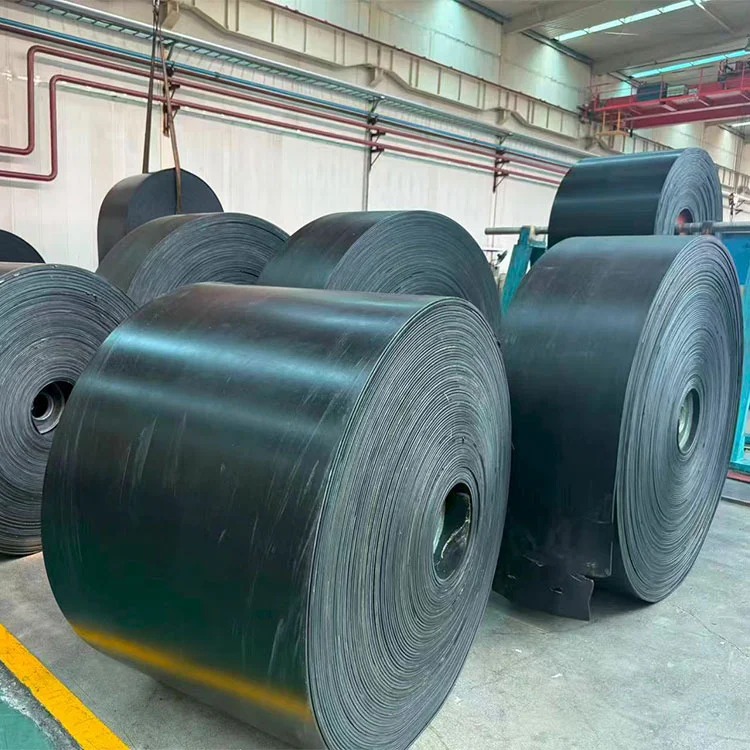
Heat Resistant Conveyor Belt is developed for conveying materials under elevated temperature conditions. Its specially formulated rubber cover protects the belt carcass from heat damage while maintaining flexibility, bonding strength and abrasion resistance during continuous operation.
Unlike standard conveyor belts, heat-resistant grades are designed according to the actual material temperature, conveying distance and operating environment. Proper belt selection helps prevent premature failure caused by thermal stress.
The main challenge in high-temperature conveying is not only the heat itself, but the continuous transfer of thermal energy from the conveyed material into the belt surface.
When hot materials contact the carrying side, the rubber cover acts as a protective barrier to reduce heat transfer to the reinforcement layer. Special heat-resistant rubber compounds maintain their physical properties under elevated temperatures and help prevent problems such as cracking, hardening and layer separation.
The carcass provides the required tensile strength and dimensional stability, allowing the belt to continue operating under repeated thermal cycles.
The performance of a heat-resistant belt mainly depends on the rubber formulation.
Different elastomer combinations provide different levels of thermal protection. The selected rubber compound must balance heat resistance with abrasion resistance, flexibility and adhesion strength.
For example, cement clinker and sintered materials require strong thermal protection because of their continuous contact with hot surfaces. In contrast, applications with intermittent high-temperature exposure may require different cover characteristics.
Qingdao Global selects suitable rubber formulations according to actual working conditions instead of applying the same material solution to every application.
Heat-resistant conveyor belts are commonly classified according to their operating temperature capability.
Suitable for materials with continuous temperatures up to approximately 150°C.
Typical applications include general hot material transportation where the thermal load is moderate.
Designed for higher temperature environments with continuous operating temperatures around 180°C.
This grade is commonly used in cement and industrial processing applications where materials maintain elevated temperatures during transportation.
Developed for more demanding conditions with continuous operating temperatures around 200°C.
It is suitable for applications involving hotter materials such as cement clinker, sintered products and other high-temperature industrial materials.
Short-term temperature exposure can reach higher levels depending on material conditions and conveying design.
| Heat 150° | Heat 180° | Heat 200° | |
| Tensile Strength | ≥14N/mm² | ≥14N/mm² | ≥10N/mm² |
| Abrasion | ≤200mm³ | ≤200mm³ | ≤280mm³ |
| Elongation at break | ≥400% | ≥400% | ≥350% |
| Const.operating temp. | ≥150° | ≥180° | ≥200° |
Continuous exposure to heat can accelerate rubber aging and reduce belt flexibility.
Heat-resistant rubber compounds are designed to maintain their mechanical properties under elevated temperatures, helping extend belt service life.
Hot materials can cause repeated expansion and contraction on the belt surface.
The specially developed cover rubber helps reduce cracking, hardening and surface deterioration during long-term operation.
High temperatures can weaken the connection between rubber covers and fabric carcass.
The belt construction uses rubber compounds with suitable adhesion performance to maintain structural integrity during high-temperature conveying.
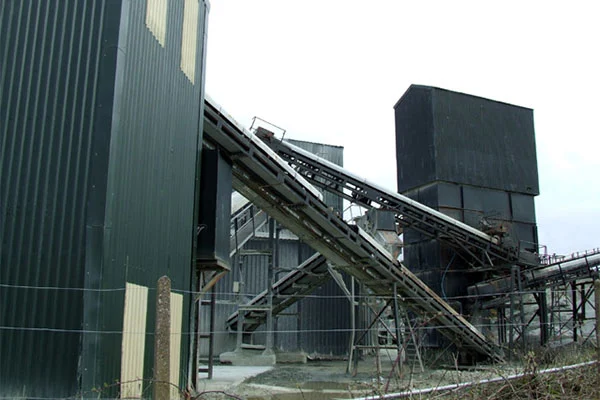
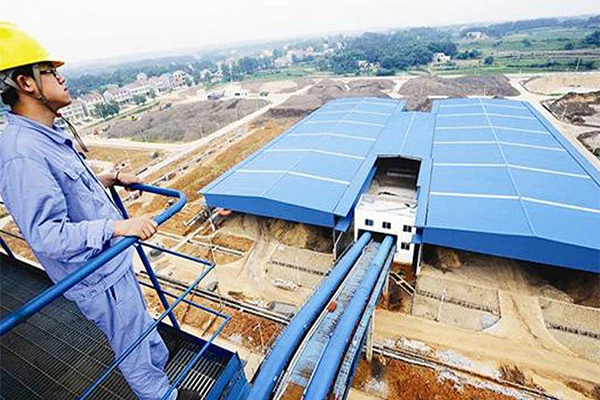
Heat-resistant conveyor belts are mainly used in industries where materials leave production processes at elevated temperatures.
In cement plants, they are commonly used for clinker transportation after the kiln process.
In steel plants and foundries, they handle hot sinter, coke, slag and other high-temperature materials.
In chemical and fertilizer industries, they support transportation of hot processed materials.
They are also used in glass manufacturing, metal processing, waste incineration and other industrial systems requiring thermal resistance.
Selecting a heat-resistant belt requires more than checking the material temperature.
Important factors include:
For example, freshly produced clinker may require a higher temperature grade than cooled bulk material transported several minutes after production.
Qingdao Global provides technical support to help customers select suitable belt grades according to their actual conveying conditions.
Qingdao Global Belting Group Co., Ltd. specializes in manufacturing industrial conveyor belts for demanding bulk material handling applications.
Founded in 2008, the company operates production facilities covering 660,000 square meters, including 24 workshops and more than 100 production lines. Annual production capacity reaches 21 million square meters.
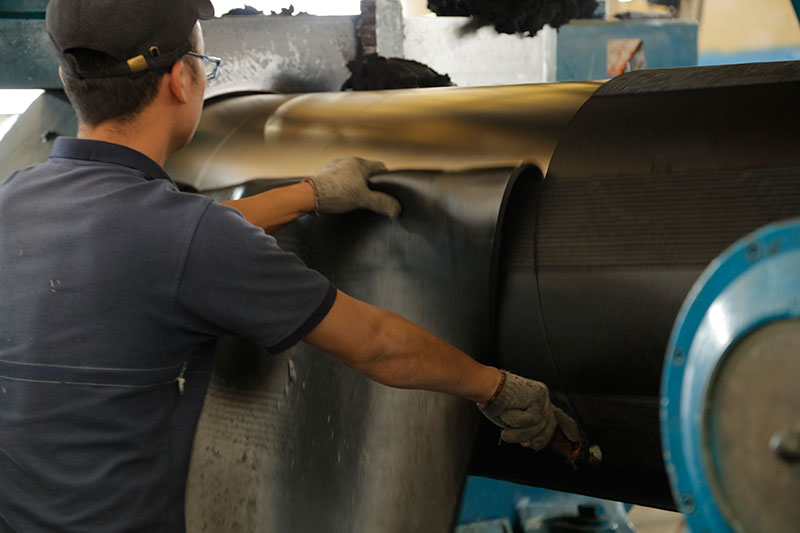
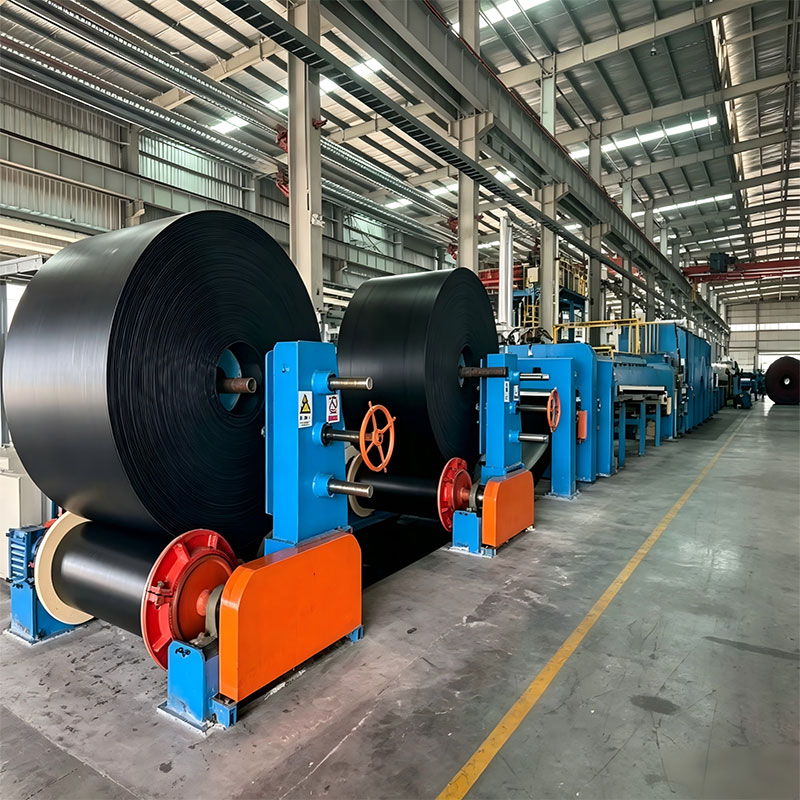
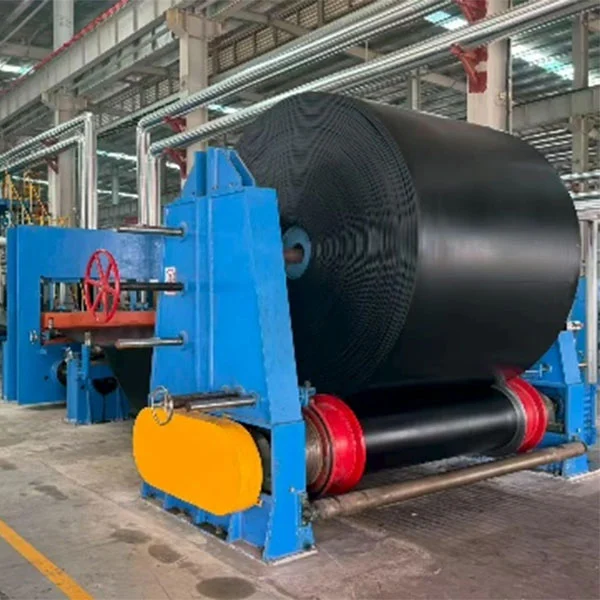
The manufacturing process includes rubber mixing, calendering, fabric preparation, belt forming, vulcanization and finished product testing.
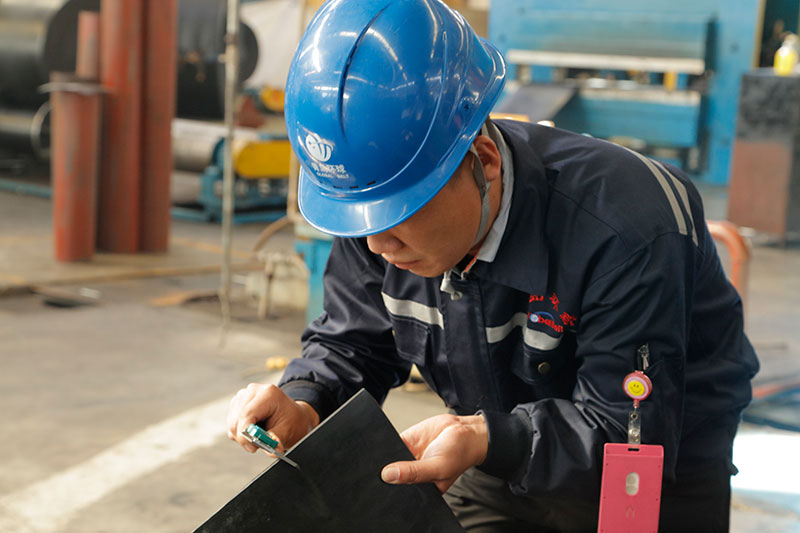
The company laboratory performs testing for tensile strength, abrasion resistance, aging performance, adhesion and other key belt properties.
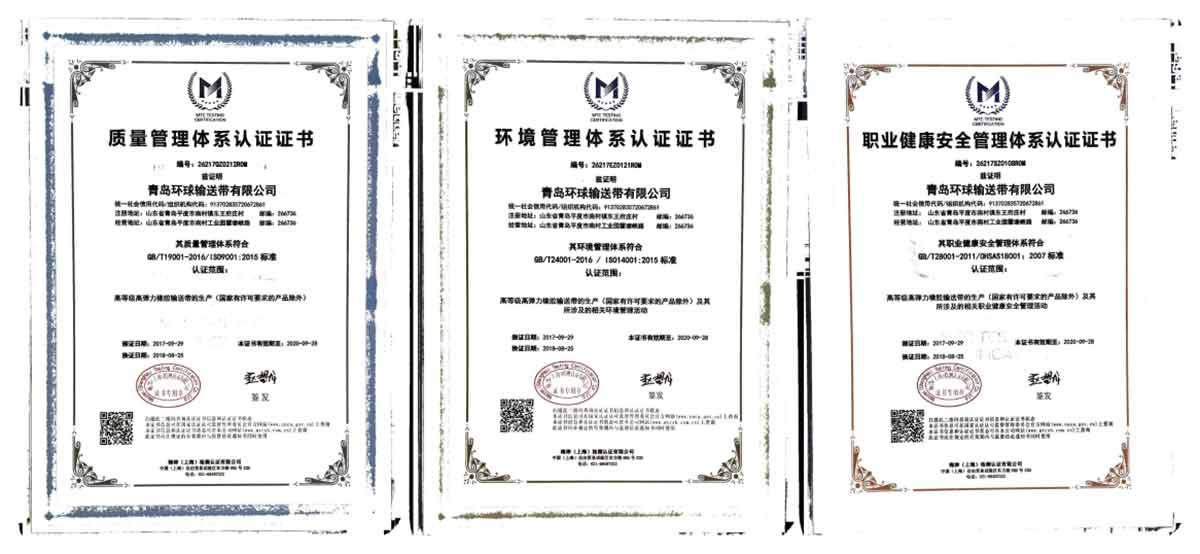
Certified management systems include ISO 9001, ISO 14001 and ISO 45001. Products are supplied to customers in more than 50 countries and regions.
Different high-temperature applications have different failure risks.
Qingdao Global provides customized solutions based on material temperature, conveying conditions and equipment requirements.
Customization options include:
This allows customers to select a belt designed for their actual operating environment rather than a general-purpose product.