Email
WhatsApp

Abstract: Aramid Fiber Conveyor Belt is a new-generation high-performance conveyor belt that uses aramid fiber, one of the world's top three high-tech fibers, as its core skeleton reinforcement material. This article systematically sorts out its unique performance advantages over traditional steel cord and ordinary synthetic fiber conveyor belts, production logic that balances lightweight and high strength, specification selection guidelines for different industrial scenarios, and key points of daily operation and maintenance. It helps mining, quarrying, bulk material handling enterprises and conveyor system integrators reduce long-term operating costs, cut energy consumption and carbon emissions, and find the optimal material selection solution for conveyor system upgrading.
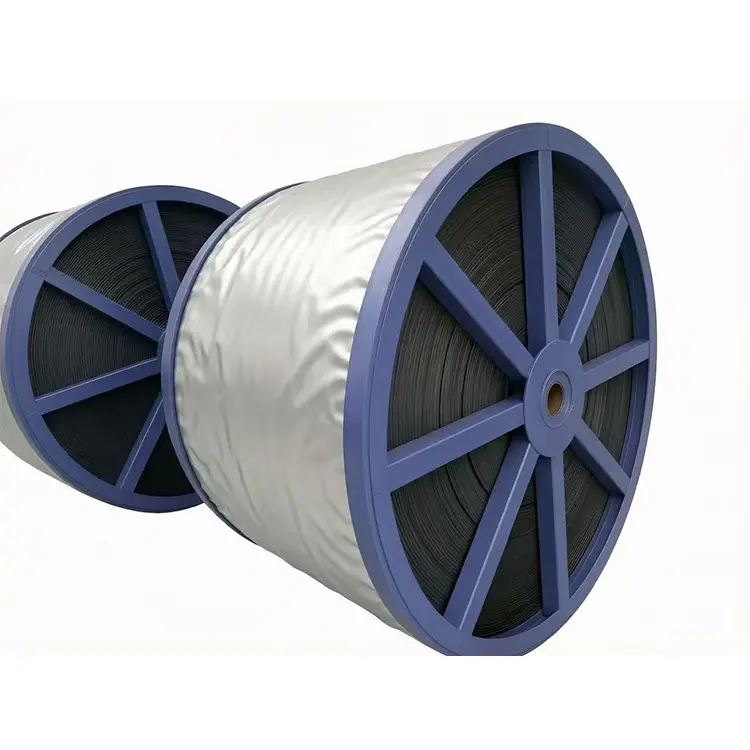
Table of Contents
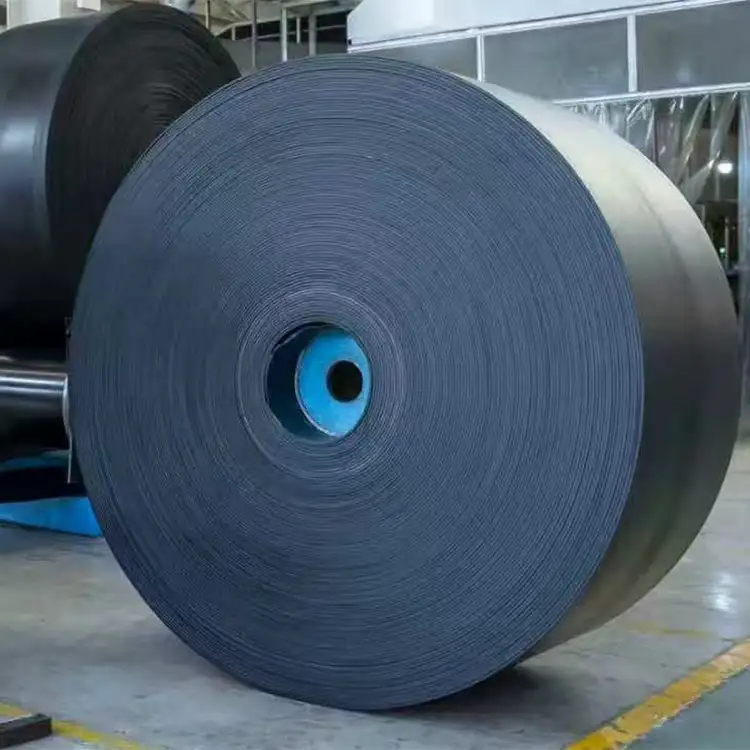
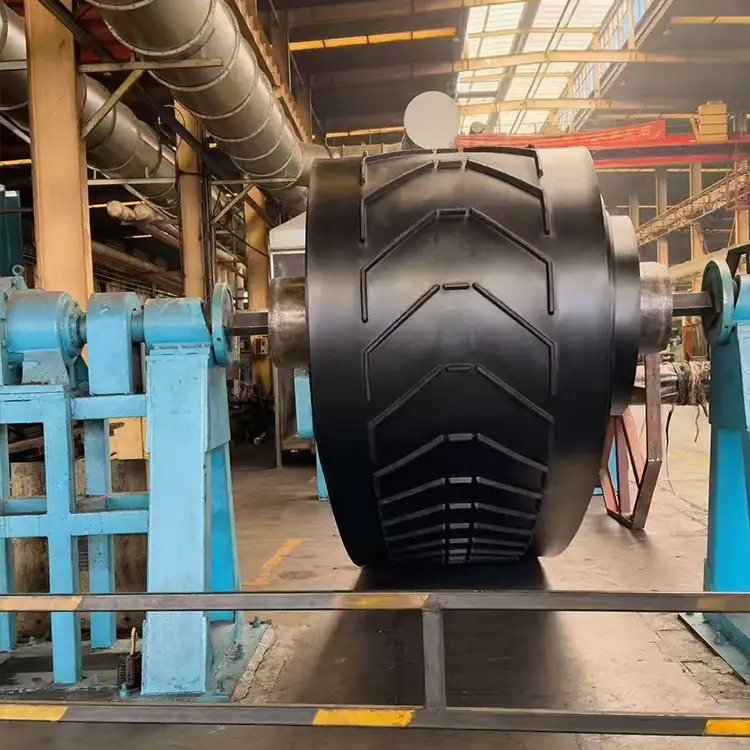
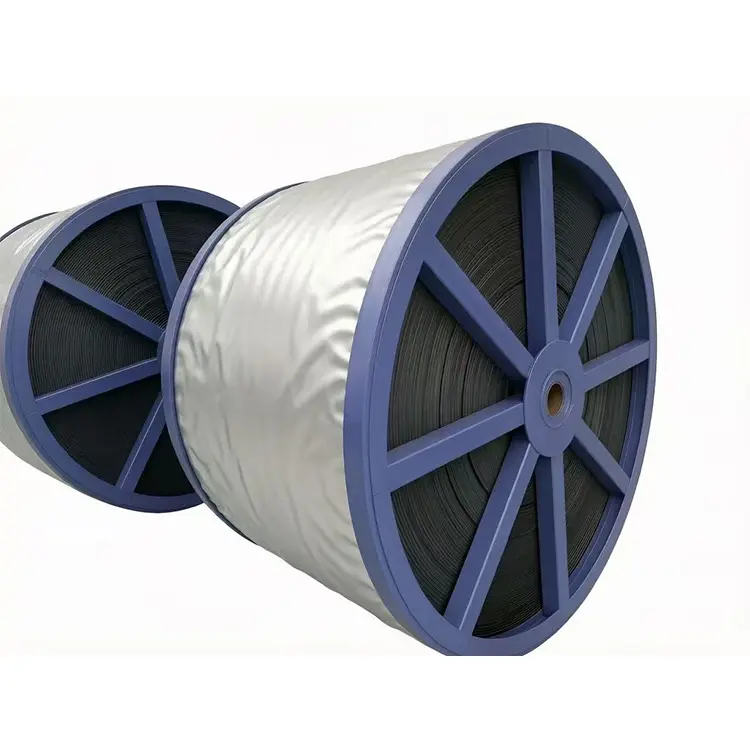
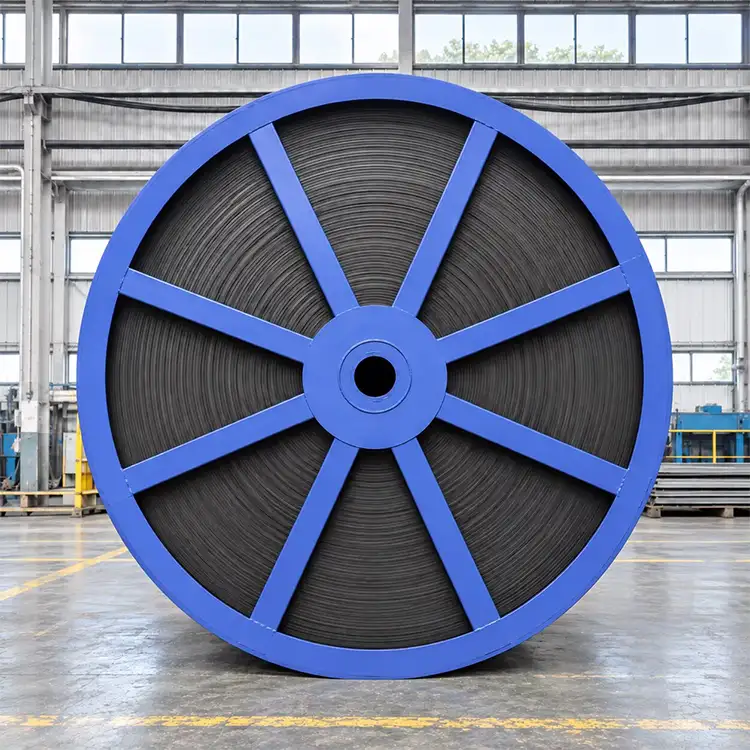
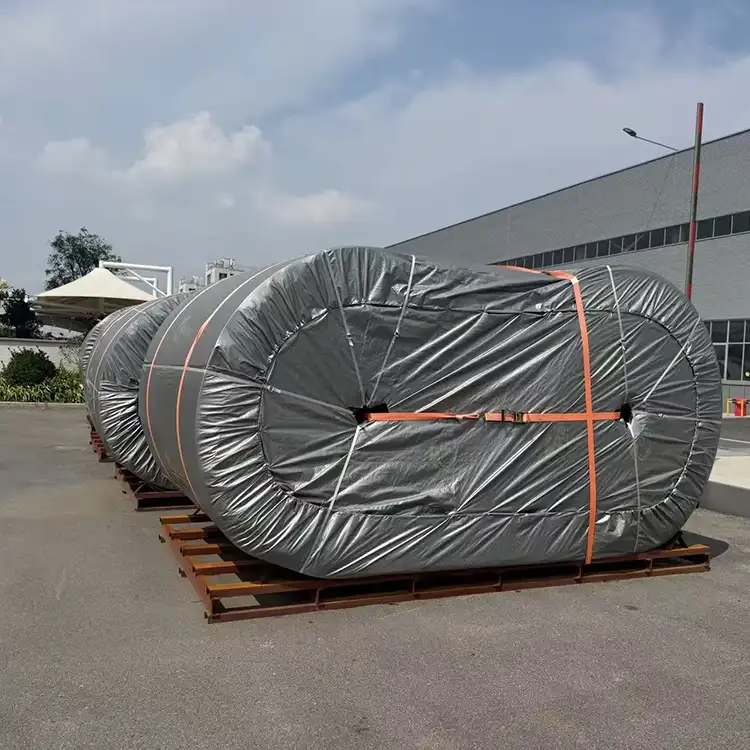
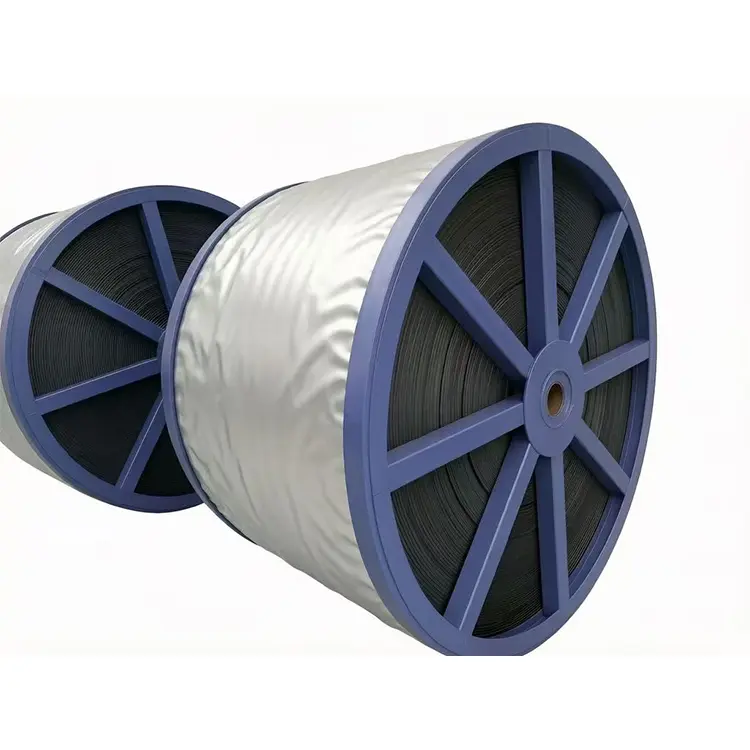
The Aramid Fiber Conveyor Belt supplied by Global Belting uses aramid fiber, also known as "golden silk" for its inherent golden color and exceptional material properties, as its core reinforcing carcass. Different from traditional steel cord conveyor belts that rely on multi-layered steel strands embedded in rubber, this product adopts an innovative single-layer straight warp and weft structure, with warp aramid cords and transverse nylon cords that provide protective effect on both sides. Aramid fiber itself has outstanding properties: its strength is 5 to 6 times that of steel wire, its modulus is 2 to 3 times that of steel wire and glass fiber, while its density is only 1/5 of steel wire, and it will not decompose or melt even at temperatures up to 560℃. Combined with customized wear-resistant, flame-retardant or heat-resistant cover rubbers, it creates a conveyor belt that is as strong as steel but far lighter, solving many long-standing pain points of traditional heavy-load conveyor systems, such as high energy consumption, heavy maintenance workload and short service life under harsh operating conditions.
The core value of aramid fiber conveyor belt lies in breaking the traditional trade-off between strength and weight that restricts the performance of conventional conveyor belts. It brings a series of unmatchable advantages for modern bulk material handling operations:
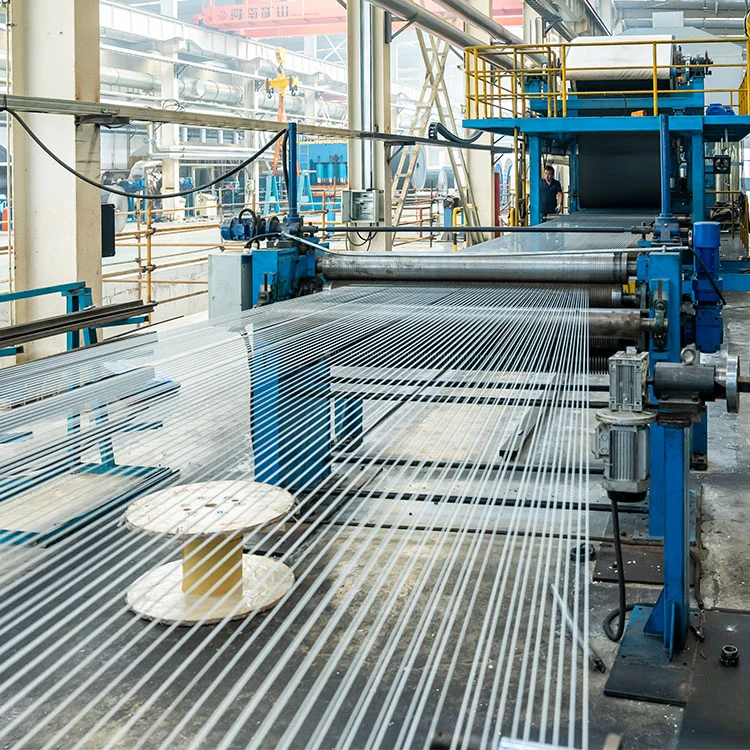
The design of aramid fiber conveyor belt avoids the redundant multi-layer carcass structure adopted by most traditional high-strength conveyor belts, and it precisely arranges warp direction high-strength aramid cords paired with transverse polyamide protective cords, forming a unique straight warp and weft weaving structure. This design does not add extra useless material weight, so all the high strength of aramid fiber can be fully converted into the tensile performance of the conveyor belt, realizing the optimal strength utilization rate. The transverse nylon cords on both sides of the aramid cords also act as built-in tear-resistant layers, which can effectively reduce the risk of longitudinal tearing of the belt body when sharp foreign objects are mixed in the transported materials. After weaving, the aramid carcass goes through full dipping and rubber vulcanization process to form a tight bonding interface between aramid fiber and rubber material, ensuring that the fiber will not delaminate or slip inside the belt body under long-term high load operation, and the cover rubber made of wear-resistant or special functional formula is fully combined with the carcass, forming a complete protective system that wraps the aramid core and extends the overall service life of the belt.
The selection of proper aramid fiber conveyor belt specification should match your transported material properties, working environment and system load requirements. The below reference table provides clear guidance for your quick specification confirmation before ordering:
| Application Scenario | Recommended Tensile Strength Range | Suggested Cover Rubber Type | Core Performance Matching |
|---|---|---|---|
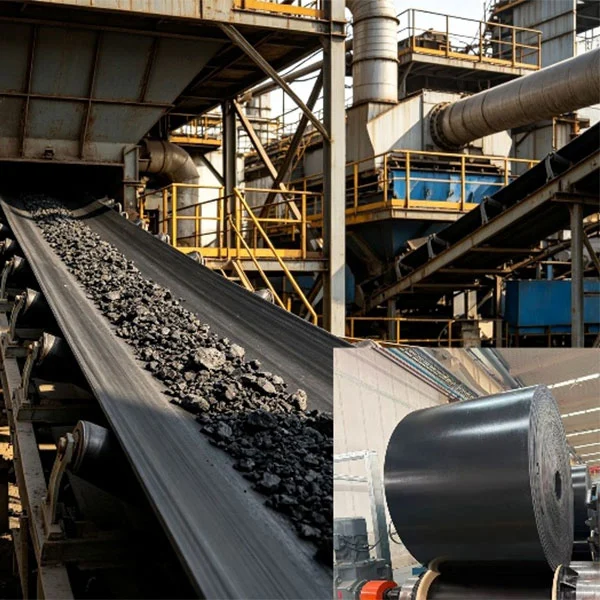
| General long-distance mining bulk material transport | 800–2000 N/mm | Standard wear-resistant rubber | Lightweight carcass significantly reduces conveyor power consumption, cuts long-distance transport operating costs |
| Quarrying and crusher feeding conveyor | 1250–2500 N/mm | High-impact wear-resistant rubber | Super impact resistance and built-in tear protection mitigate damage from large sharp falling rocks, reduce downtime |
| High-temperature clinker and smelting slag transport | 630–1600 N/mm | Heat-resistant special rubber | Aramid core remains stable under continuous high temperature, avoids core melting or structural failure that may happen to ordinary polyester belts |
| Coastal port and chemical bulk material handling | 800–2000 N/mm | Corrosion and weather resistant rubber | Excellent anti-corrosion performance of aramid prevents fiber degradation in humid, salt spray or chemical vapor environment, extends service life |
You can also add optional low rolling resistance bottom cover rubber on this basis, which can further reduce conveyor operating power consumption and achieve higher energy saving effects for your system.
Aramid fiber conveyor belt is not necessary for all light-load short-distance conveying scenarios, but you should prioritize upgrading to this product when you encounter the following operational pain points:
No matter you are planning a new long-distance mining conveyor project, or you are looking for a high-performance upgrade solution for your existing underperforming conveyor system, the aramid fiber conveyor belt can bring you measurable benefits in energy saving, downtime reduction and total cost control. If you want to get the custom specification design, performance test report and accurate quotation matched with your specific conveyor system parameters, contact us, the professional team from Global Belting will provide you with a full set of conveyor belt upgrading solutions that fully meet your production needs and sustainability targets.