Email
WhatsApp

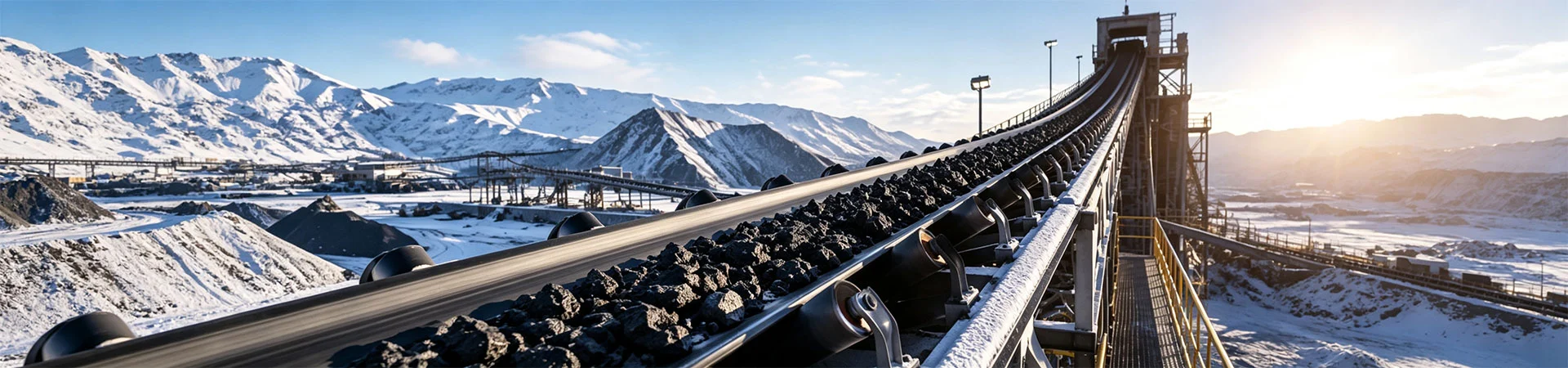
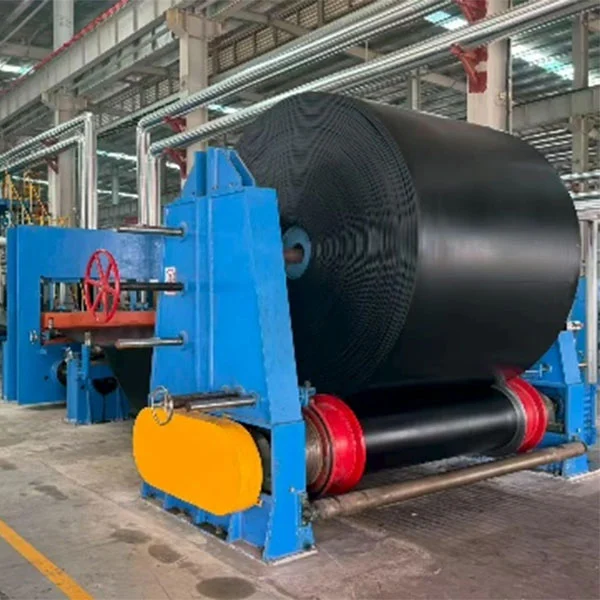
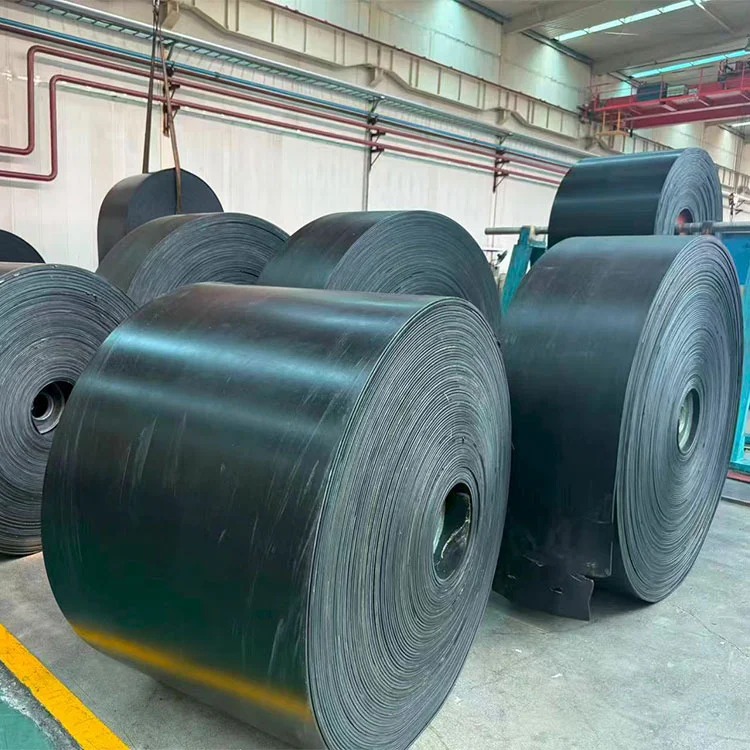
Acid-Alkali Conveyor Belt uses a specially formulated rubber compound that effectively resists chemical corrosion while maintaining the mechanical properties required for continuous conveying. Unlike ordinary bulk materials, these substances gradually erode the rubber surface, weakening interlayer adhesion and shortening the conveyor belt's lifespan.
Qingdao Global Belting Group Co., Ltd. manufactures acid and alkali resistant conveyor belts suitable for applications where material compatibility and conveying capacity are equally important, such as chemical plants, fertilizer production plants, paper mills, and industrial processing plants.
A conveyor belt exposed to chemical substances does not usually fail immediately. The damage often develops gradually.
When acidic or alkaline materials remain in contact with the rubber cover, chemical reactions may change the structure of the rubber. The cover may become harder, softer or lose elasticity depending on the chemical type.
As the rubber protection layer deteriorates, problems such as surface cracking, reduced adhesion and accelerated wear may appear. Eventually, the reinforcement layer can become exposed and affect the overall strength of the belt.
Acid-Alkali Resistant Conveyor Belt addresses this problem by using rubber formulations selected for chemical stability.
The resistance of a conveyor belt against acids and alkalis mainly depends on the rubber compound, not only the belt structure.
Different chemicals create different challenges. Hydrochloric acid, sulfuric acid, sodium hydroxide and fertilizer chemicals may require different levels of protection.
During production, Qingdao Global selects suitable rubber materials according to the customer's conveying environment, including:
This approach helps avoid using an unsuitable rubber grade for a specific application.
Many corrosive materials are transported continuously, meaning the acid and alkali resistant conveyor belt may experience repeated chemical contact every day.
The acid-alkali resistant cover rubber helps maintain consistent rubber hardness, preventing premature softening or hardening that can affect belt performance.
Maintains strong adhesion between rubber and carcass, ensuring the belt remains integrated during continuous operation.
Provides reliable tensile performance and consistent running performance, even under repeated chemical exposure.
For applications where chemical exposure is combined with impact or abrasion, the belt can also be designed with additional wear-resistant properties.
Chemical plants and fertilizer factories often handle raw materials and intermediate products that contain corrosive components.
Acid-alkali resistant conveyor belts are used where material contact with the belt surface may affect conventional rubber compounds.
Paper production involves various chemical additives during processing. Conveyor systems in these environments require rubber materials that can tolerate chemical exposure.
Some mineral processing operations involve acidic or alkaline materials during extraction and treatment. Corrosion-resistant belts help maintain stable transportation performance.
Recycling facilities may handle mixed materials containing chemical residues. Selecting the correct belt compound helps improve reliability in these complex conditions.
Not every corrosive environment requires the same belt specification.
A belt transporting dry fertilizer powder may face different conditions from one handling liquid-contaminated chemical materials.
Before production, important information includes:
Based on these conditions, Qingdao Global can recommend suitable rubber compounds and reinforcement structures.
The acid and alkali resistant conveyor belts consists of three main components: cover rubber, carcass and bonding layers.
The cover rubber provides direct protection against corrosive materials.
The carcass provides tensile strength and dimensional stability. EP and NN fabric structures are available depending on conveyor requirements.
The bonding layer maintains adhesion between rubber and fabric, ensuring the belt remains integrated during continuous operation.
| Grade | Chemical Medium | Test Condition |
|---|---|---|
| A1 | Hydrochloric Acid (HCl) 18% | 50℃ × 96h |
| A2 | Sulfuric Acid (H₂SO₄) 50% | 50℃ × 96h |
| A3 | Sodium Hydroxide (NaOH) 48% | 50℃ × 96h |
The actual service performance depends on chemical concentration, exposure duration and operating conditions.
Qingdao Global Belting Group Co., Ltd. has been manufacturing industrial conveyor belts since 2008.
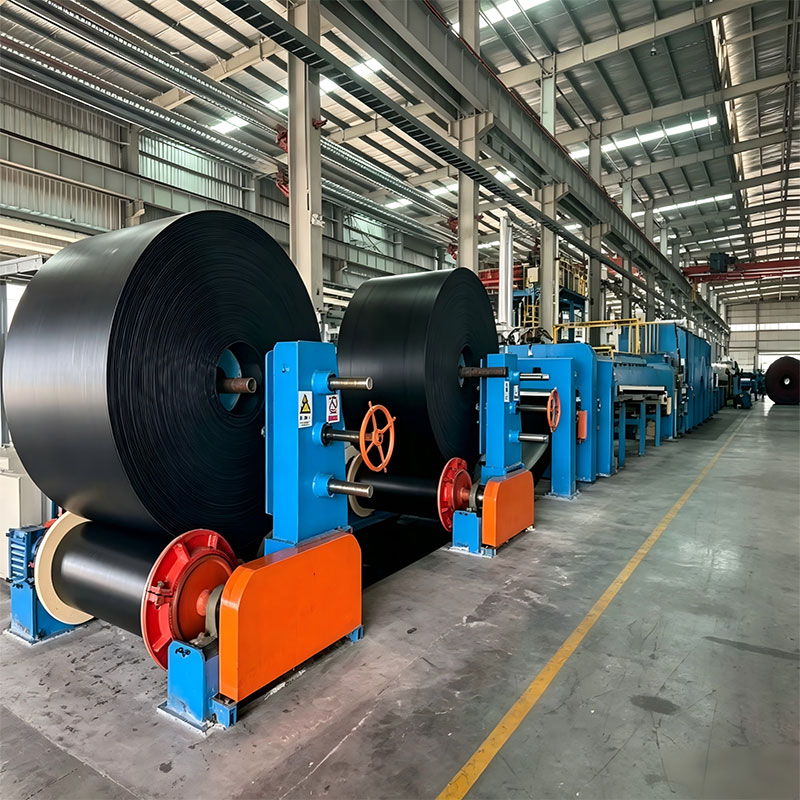
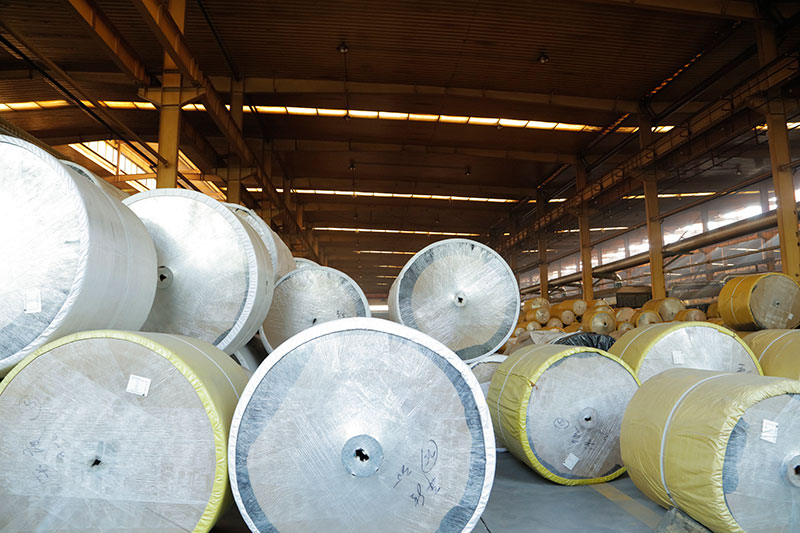
The company operates production facilities covering 660,000 square meters with 24 workshops and more than 100 production lines. Products are supplied to industries including mining, cement, metallurgy, ports, power generation, chemical processing and recycling.
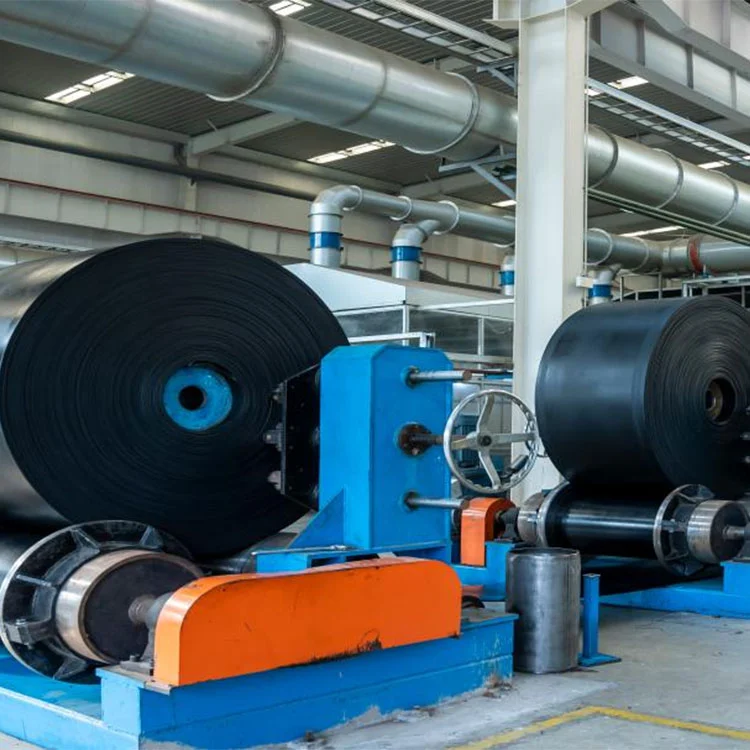
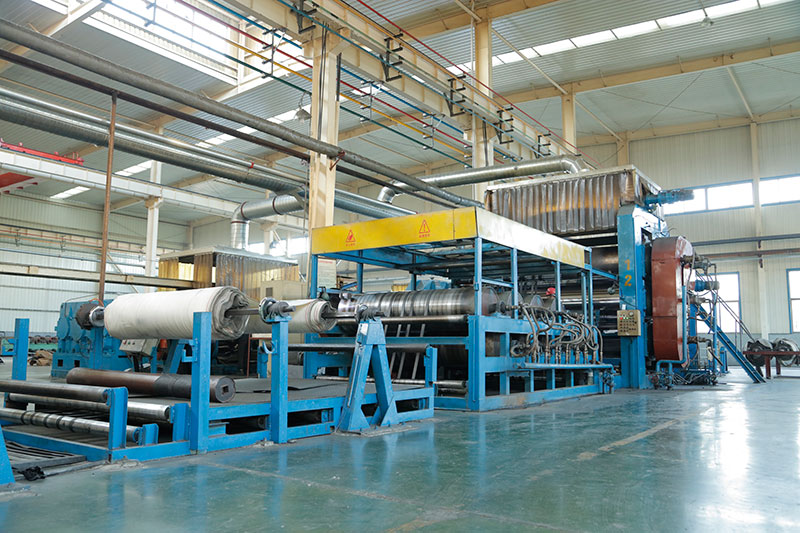
Manufacturing processes include rubber mixing, calendering, fabric preparation, belt forming, vulcanization and finished belt inspection.
The company laboratory performs testing related to tensile strength, abrasion resistance, adhesion, aging performance and material properties to ensure consistent product quality.
Although both belts are designed for special environments, they solve different problems.
| Acid-Alkali Resistant Belt | Oil Resistant Belt | |
|---|---|---|
| Main Challenge | Chemical corrosion | Oil penetration |
| Damaging Factor | Acids, alkalis, chemical solutions | Mineral oil, grease, solvents |
| Rubber Requirement | Chemical stability | Resistance to swelling |
| Typical Industries | Chemical, fertilizer, paper | Recycling, metal processing, grain |
Choosing the correct belt type according to the actual material condition is essential for achieving reliable service life.