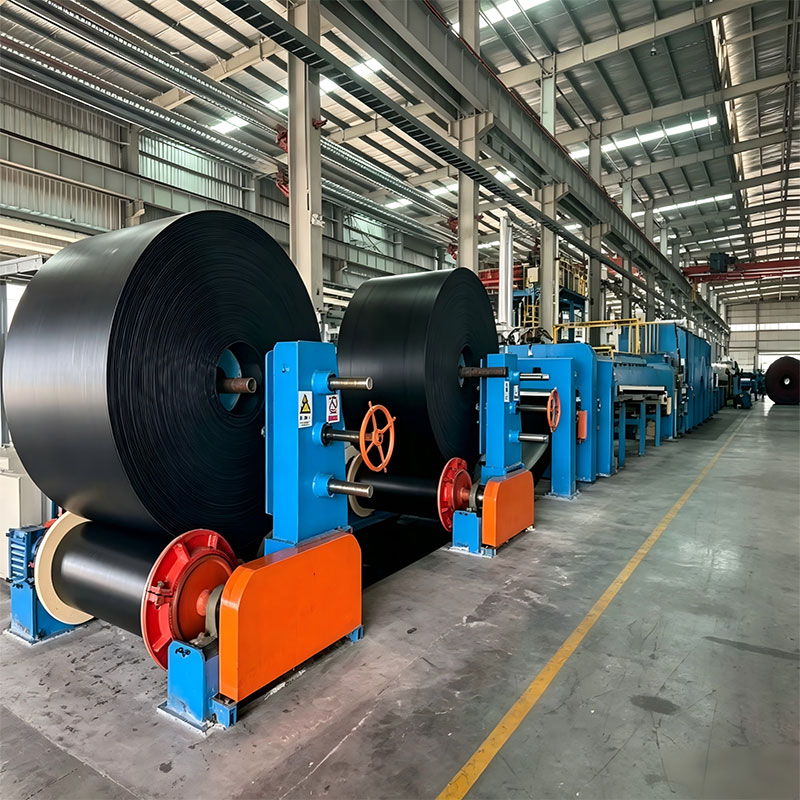
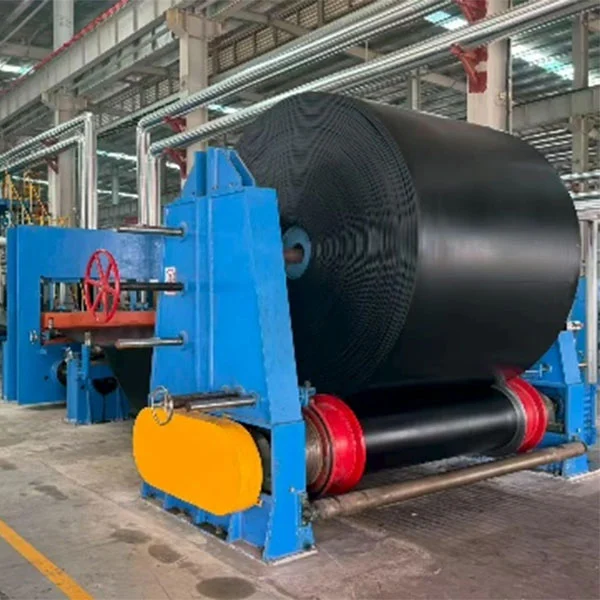
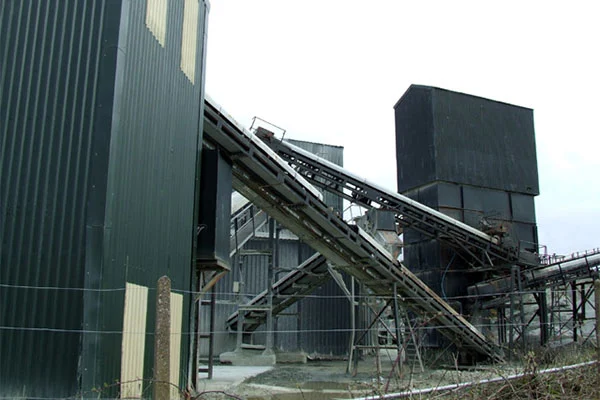
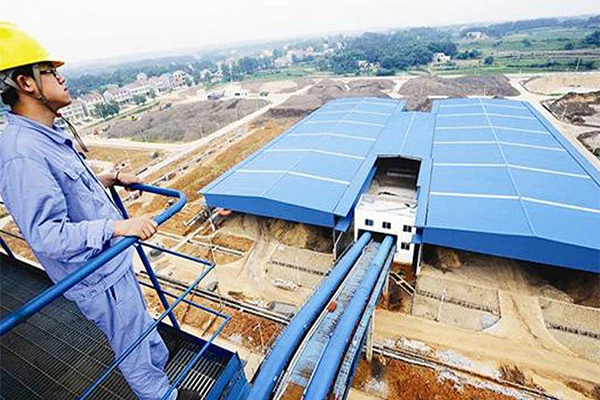
Heavy-Duty Acid and Alkali Resistant Conveyor Belt for Wastewater Treatment

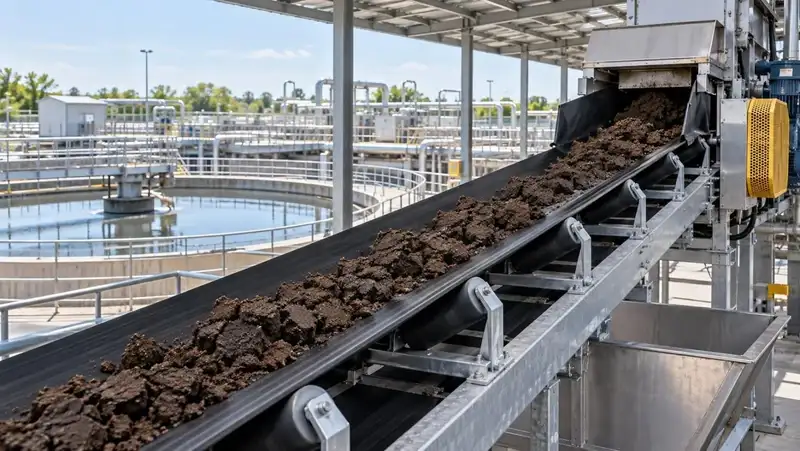
Wastewater treatment plants and sludge dewatering lines expose conveyor systems to aggressive sulfuric acid, sodium hydroxide, ferric chloride, and abrasive grit. Standard natural rubber covers swell, delaminate, and crack rapidly under continuous chemical contact. As an experienced acid and alkali resistant conveyor belt manufacturer and supplier, we engineer specialized chemical-grade belts built to maintain structural integrity in pH 1 to 14 environments.

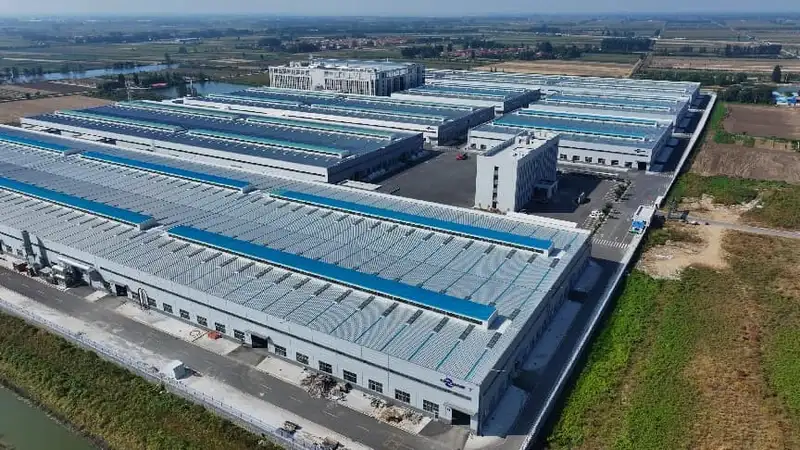
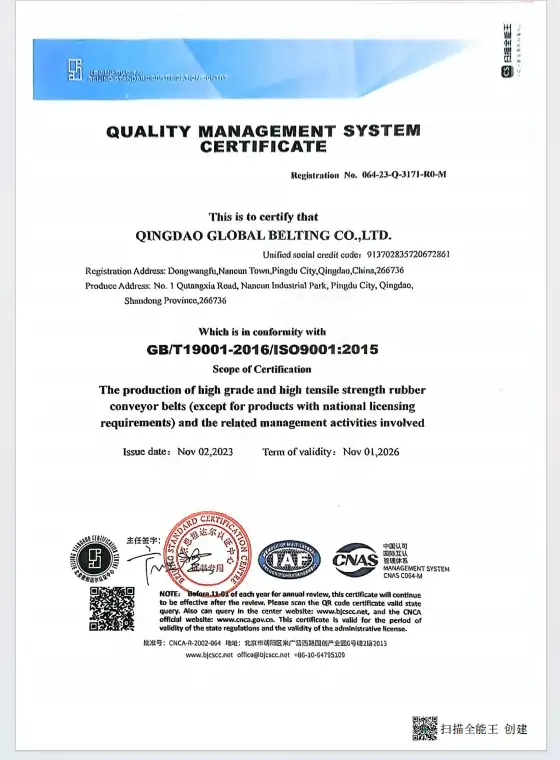
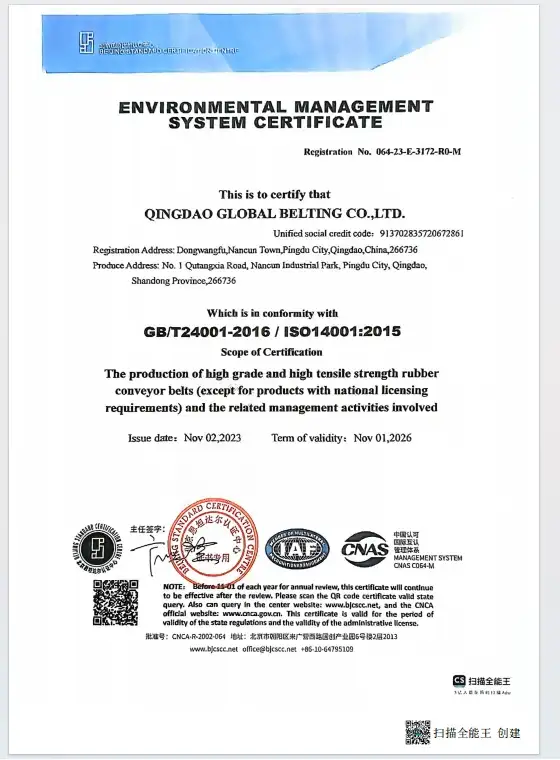
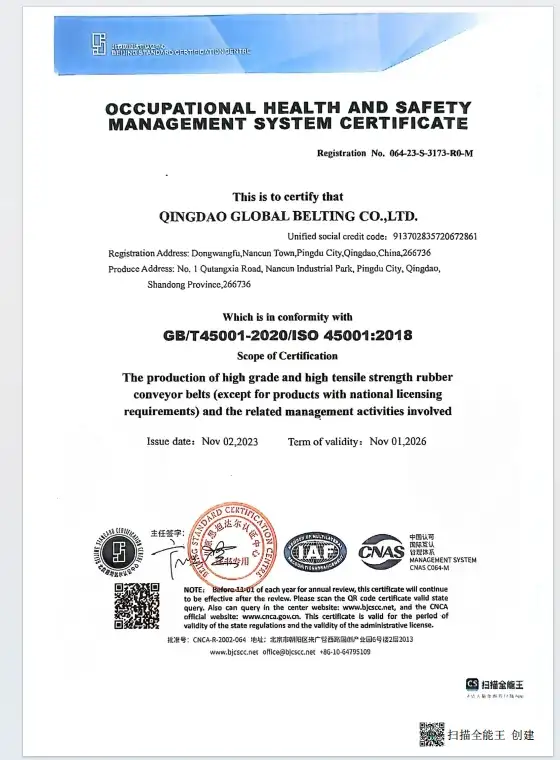
Produced in our ISO-certified factory in China, every belt uses vulcanized EPDM or chloroprene (CR) rubber compounds paired with a moisture-resistant EP conveyor belt carcass. Whether you need a replacement filter press belt or a high-angle sludge discharge belt, we provide customized dimensions at a factory direct low price without sacrificing compound density or ply adhesion.
Acid and Alkali Resistant Conveyor Belt for Wastewater Treatment Sludge Handling
Chemical-Resistant EPDM Rubber Cover & Sealed Edge Construction

Engineered Construction for Corrosive Environments

Operating continuously in wet, chemically active treatment facilities requires precise rubber compounding and edge protection to prevent moisture wicking into the fabric plies:

  • Saturated Elastomer Cover: Formulated with high-ethylene EPDM and chloroprene polymers to block acid permeation, alkali hydrolysis, and ozone cracking.
  • Low-Stretch Polyester-Nylon Carcass: Multi-ply EP fabric provides high longitudinal tensile strength and superior troughability on wet rollers while resisting rot and mildew.
  • Molded Cut-Free Rubber Edges: Fully encapsulated edges prevent corrosive wastewater and cleaning agents from penetrating the inner textile layers.
  • Optional Profiled Surfaces: Available in smooth top, rough top, or chevron conveyor belt cleats for inclined dewatered sludge transport.

Key Performance Advantages

Broad pH 1–14 Chemical Stability

Resists concentrated sulfuric acid, hydrochloric acid, caustic soda, lime slurries, and hypochlorite solutions with minimal tensile loss after immersion testing.

Zero Carcass Delamination

High-adhesion skim rubber bonds plies tightly together, preventing water ingress and blister formation during high-pressure washdowns.

Verified Laboratory Quality

Each production batch undergoes 72-hour chemical immersion and tensile retention testing in our in-house lab prior to export shipment.

Direct Factory Cost Efficiency

Sourcing Made in China directly from our production line eliminates middleman markups, offering a cheap total lifecycle cost per ton conveyed.

Technical Specifications & Chemical Immersion Standards

Our acid and alkali resistant conveyor belts are manufactured in compliance with HG/T 3782 and DIN 22102 standards. Custom cover thicknesses and widths up to 2,400 mm are available upon request.

Technical Parameter Standard Acid/Alkali Grade (AR-1) Heavy Chemical Grade (AR-2 / EPDM) Testing Standard
Cover Rubber Polymer SBR / Chloroprene Blend 100% Virgin EPDM Compound ASTM D1418
Applicable pH Range pH 2.0 – 12.0 pH 1.0 – 14.0 (Strong Acids & Alkalis) HG/T 3782
Initial Tensile Strength (Cover) ≥ 15 MPa ≥ 12 MPa ISO 37
Elongation at Break ≥ 400% ≥ 380% ISO 37
Abrasion Loss ≤ 150 mm³ ≤ 160 mm³ ISO 4649
Tensile Retention (After 72h Immersion) ≥ 80% (in 10% H2SO4 / NaOH) ≥ 85% (in 30% H2SO4 / 20% NaOH) ISO 1817
Volume Swelling Rate ≤ +10% ≤ +6% ISO 1817
Carcass Tensile Strength 315 – 2,500 N/mm (EP100 – EP400) 315 – 2,500 N/mm (EP100 – EP400) ISO 283
Operating Temperature -20°C to +80°C -30°C to +120°C Internal Lab

Primary Applications in Water & Chemical Plants

As a global exporter supplying municipal utilities and industrial EPC contractors, we tailor belt specifications for specific treatment stages:

  • Municipal & Industrial Wastewater Plants: Belt filter press discharge, centrifuge sludge cake transfer, and lime-stabilized biosolids conveying.
  • Chemical & Fertilizer Manufacturing: Phosphate rock transport, potash handling, and acidic gypsum dewatering lines.
  • Metal Pickling & Electroplating: Acid-washed scrap and neutralized filter cake removal.
  • Flue Gas Desulfurization (FGD): Wet limestone slurry and acidic byproduct conveying in power plants.

Need resistance against hydrocarbons or organic solvents in oily wastewater? Explore our oil resistant conveyor belts made with NBR compounds.
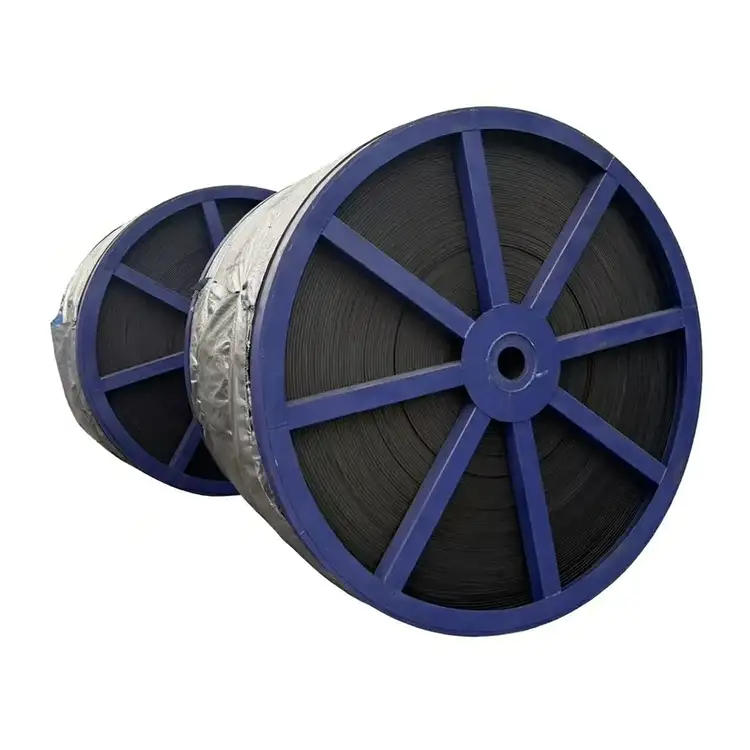
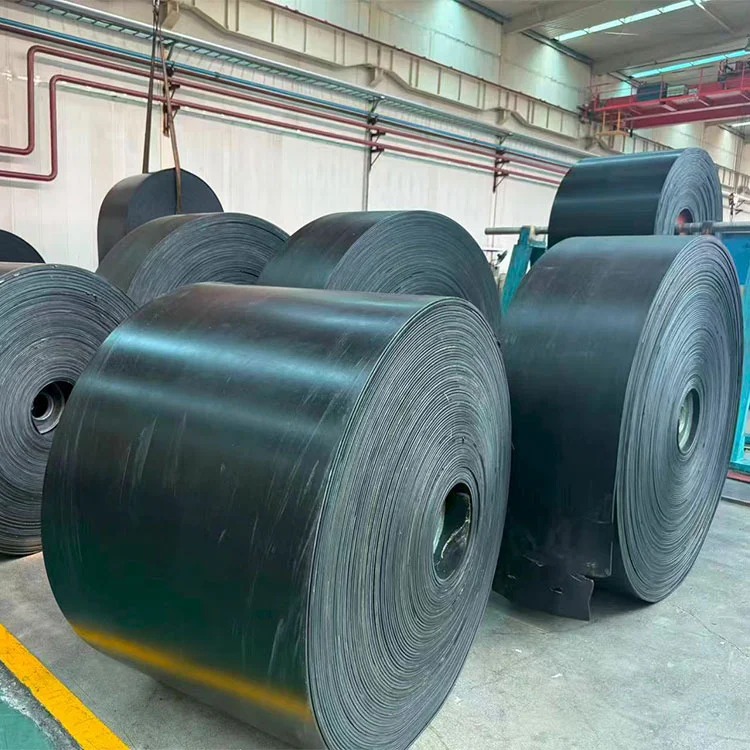
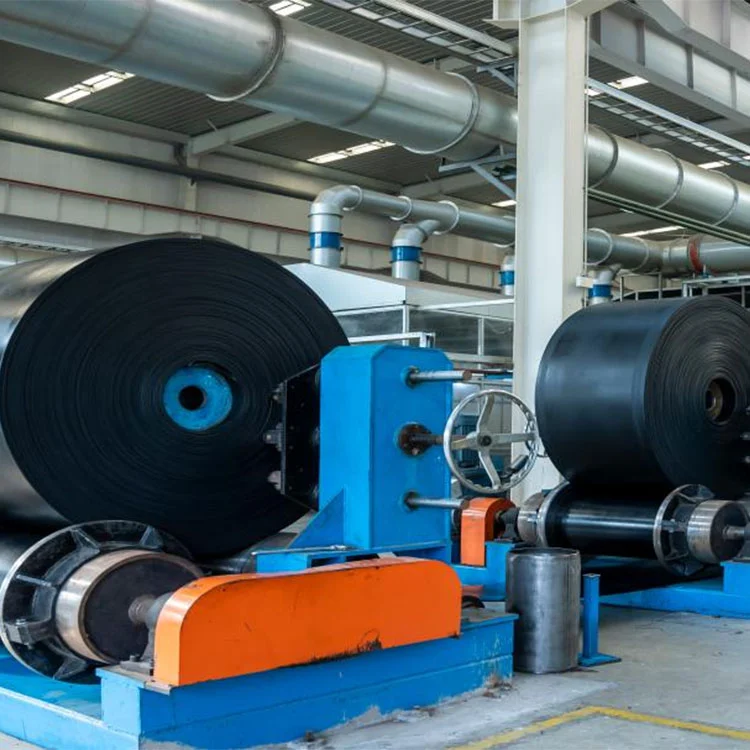
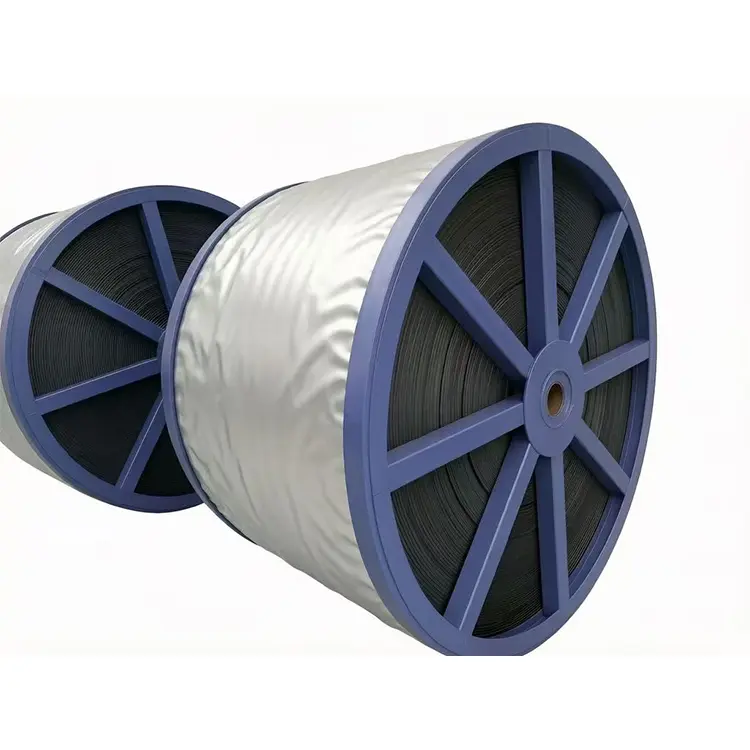
Chemical Resistant Rubber Conveyor Belt Roll Factory Direct
Custom Width & Ply Rolls Ready for Global Export

Request a Free Sample & Factory Direct Quote

Unsure which rubber compound matches your chemical concentration and operating temperature? Share your reagent type, pH level, belt width, and pulley diameters. Our technical team will recommend the right EP ply rating, send a free sample swatch for immersion testing, and provide a competitive CIF/FOB quote within 12 hours.

Get Factory Quote & Free Sample →

Procurement & Technical FAQ

1. How do I choose between Chloroprene (CR) and EPDM covers for wastewater treatment?

EPDM offers superior resistance to strong oxidizing acids, concentrated alkalis, and elevated temperatures up to 120°C. If your wastewater also contains trace mineral oils or greases alongside mild acids, a Chloroprene (CR) cover provides balanced dual protection.

2. Can you supply endless vulcanized belts or mechanical fastener-ready rolls?

Yes. As a customized conveyor belt factory, we supply open-end rolls, step-prepared ends for field hot splicing, or factory-vulcanized endless belts with stainless steel 316L mechanical fasteners.

3. What is your MOQ, lead time, and free sample policy?

We provide free sample rubber swatches (150mm × 150mm) for your lab chemical testing; you only cover courier freight. Standard production lead time is 15–20 days for custom orders, with strict pre-shipment quality inspection reports included.

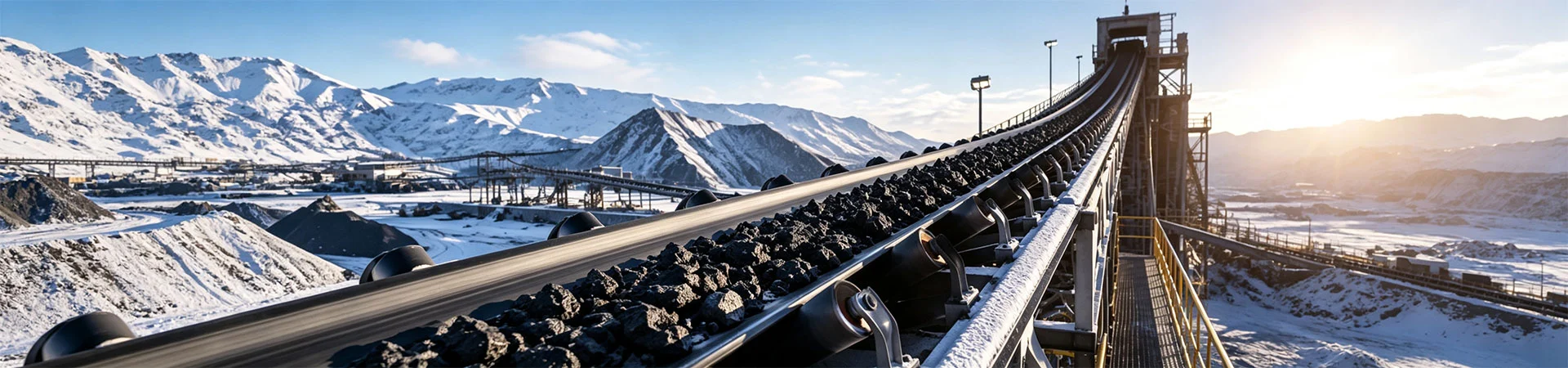
Acid and Alkali Resistant Conveyor Belts
Acid and Alkali Resistant Conveyor Belt for Wastewater Treatment
  • Acid and Alkali Resistant Conveyor Belt for Wastewater TreatmentAcid and Alkali Resistant Conveyor Belt for Wastewater Treatment
  • Acid and Alkali Resistant Conveyor Belt for Wastewater TreatmentAcid and Alkali Resistant Conveyor Belt for Wastewater Treatment

Acid and Alkali Resistant Conveyor Belt for Wastewater Treatment

Acid and Alkali Resistant Conveyor Belt for Wastewater Treatment This acid & alkali resistant conveyor belt is specially developed for wastewater treatment and chemical sludge conveying. Adopting special chemically stable rubber compound, it resists corrosion from acid, alkali and salt medium, prevents swelling, aging and surface damage. Available with EP/NN fabric carcass, it steadily transports sludge, filter cake and chemical residues. Customizable width, strength grade and cover thickness. Compliant with relevant industrial standards to ensure stable continuous operation in corrosive wastewater treatment environments.

Cover rubber: Special acid & alkali resistant rubber compound

Carcass: EP / NN fabric canvas

Medium resistance: Resists acid, alkali and salt corrosion

Features: Anti-swelling, anti-aging, anti-delamination under chemical corrosive environment

Selection for Cold Resistant Conveyor Belt for Northern Mine

Confirm the type, concentration and temperature of corrosive medium (acid, alkali, salt).

Determine carcass type: EP or NN fabric, select tensile grade based on conveyor length, lifting height and load.

Select cover rubber thickness according to material abrasiveness and lump size.

Check working temperature and humidity of the wastewater treatment site.

Confirm belt width matched with required throughput of sludge or filter cake.

Verify acceptance standard for the project.

Extra note: Take chemical swelling into consideration during system design.

Technical Specifications

Item

Specification

Product type

Acid and Alkali Resistant Conveyor Belt for Wastewater Treatment, available for weak or strong corrosive media

Reinforcement

Multi-ply EP or NN fabric embedded in bonding rubber

Nominal belt strength

Tensile rating selected from steady and peak tension calculations

Belt width

Determined by throughput, bulk density, sludge size and conveyor layout

Top / bottom covers

Custom thickness. Two rubber options: formula for weak acid & alkali; special formula for strong acid & alkali

Cover properties

Resist acid, alkali and salt corrosion, anti-swelling and abrasion resistant; full test reports available

Inspection

Dimension, rubber property, fabric adhesion and splice integrity tests

Key Product Features

Excellent chemical corrosion resistance for long-time exposure to sludge and wastewater

Good abrasion resistance, stable physical property

No swelling or degradation when contacting wastewater, sludge and filter cake

Stable running performance, less maintenance in wastewater treatment plant

Industrial Applications

Dewatered Sludge Transfer

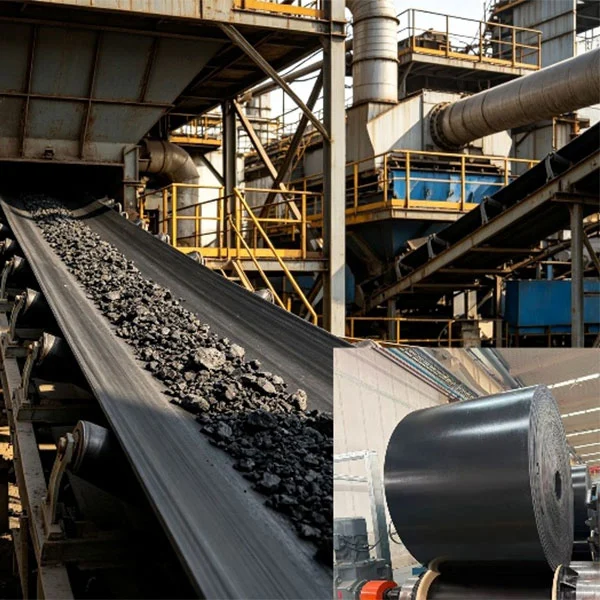
Moving suitable sludge cake from dewatering equipment to a collection point, storage area or loading system. Cake consistency, stickiness and the discharge arrangement influence belt selection and cleaning needs.

Screenings Handling

Transferring drained screenings to collection containers. Review oversized objects, sharp fragments and loading impact alongside the residual chemicals in the material.

Industrial Treatment Residues

Handling compatible solid or semi-solid residues from industrial wastewater treatment. Acidic or alkaline process carryover requires a stream-specific compatibility review, especially when production chemistry changes.

Storage and Loading Transfer

Connecting treatment equipment with hoppers or loading points. Check transfer height, belt inclination, drainage and carryback control to keep the installation suited to the residue being handled.

Keep the Conveyor Matched to the Process

Use cleaning methods approved for the selected belt and inspect the cover, edges and splice for swelling, cracking, softening or separation. Review compatibility again whenever treatment chemicals, concentrations or cleaning products change. A suitable belt forms part of a properly designed conveyor, including containment, drainage and maintenance access.

Acid and Alkali Resistant Conveyor Belt for Wastewater Treatment

Our Engineering Experience and Qualifications

Item

Specification

Engineering Experience

Decades of design & supply experience on acid and alkali resistant conveyor belts for wastewater treatment and chemical corrosion projects. We support full technical consultation, belt selection, tension calculation and site installation guidance.

Product Qualifications

Compliant with ISO and GB/T standards. SGS and ITP test reports are available upon request.

Technical Service

Provide pre-sales selection calculation, on-site splice technical support and after-sales performance tracking.

Production Capacity

Complete in-house workshop for acid & alkali resistant belts, strict quality control for every batch.

Acid and Alkali Resistant Conveyor Belt for Wastewater Treatment

Acid and Alkali Resistant Conveyor Belt for Wastewater Treatment Acid and Alkali Resistant Conveyor Belt for Wastewater Treatment Acid and Alkali Resistant Conveyor Belt for Wastewater Treatment

Why Choose Global Belting

Item

Description

Professional Expertise

Specialized in corrosion-resistant conveyor belts, rich experience in acid & alkali resistant belt projects for wastewater treatment and chemical industry.

Customized Solution

Tailor-made belt design, strength grade, cover thickness and rubber formula for weak / strong acid & alkali working conditions.

Strict Quality Control

Full batch inspection, SGS & ITP test reports available; comply with ISO and GB standards.

Stable Product Performance

Specially formulated acid & alkali resistant rubber, anti-swelling and anti-aging under corrosive wastewater environment.

Full Technical Support

Provide belt selection, tension calculation, hot splicing guidance and after-sales service.

Reliable Delivery

Stable production capacity

One-stop Service

From technical proposal, manufacturing, inspection to packaging and delivery, all services in one place.

Packing

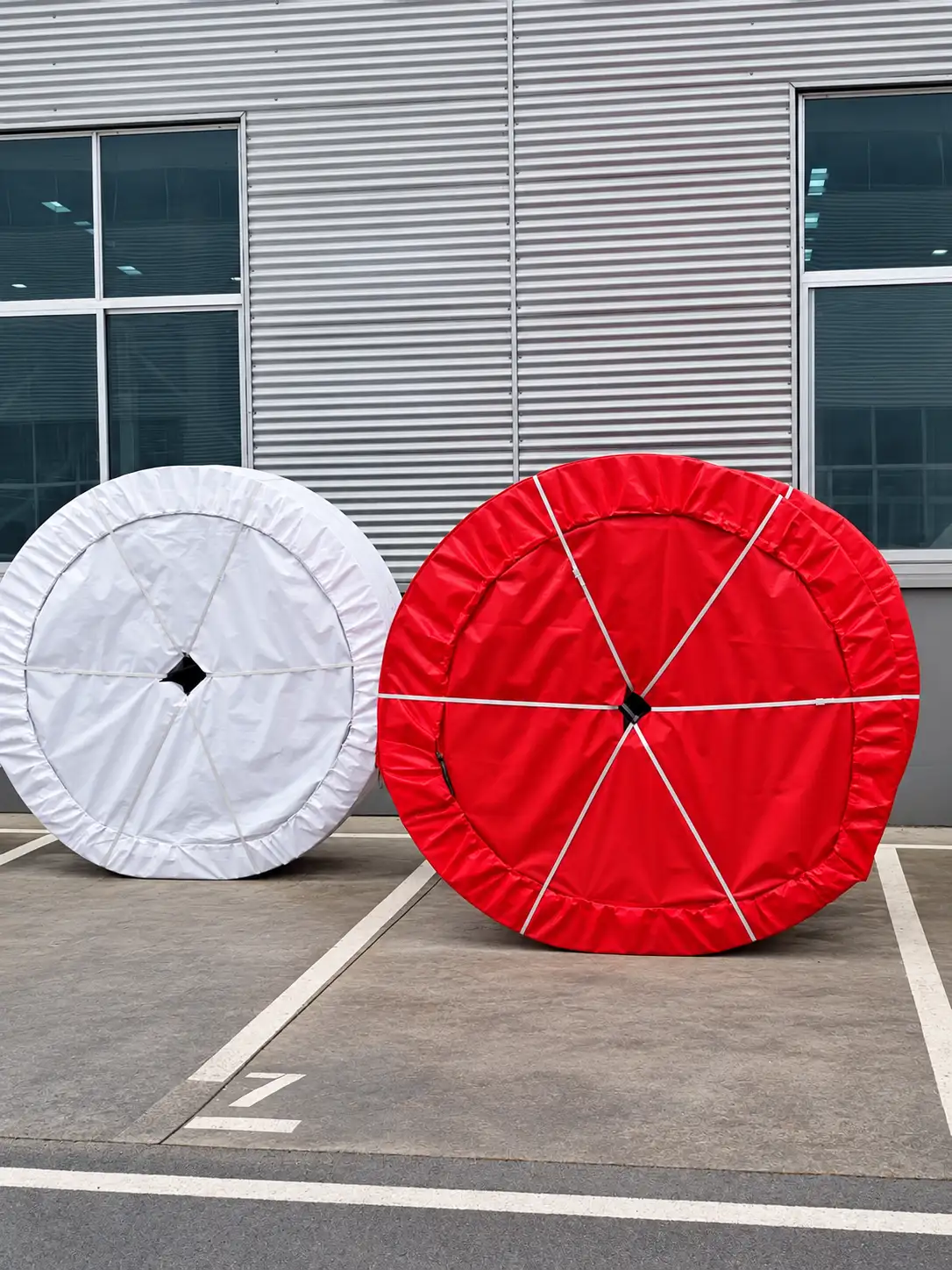
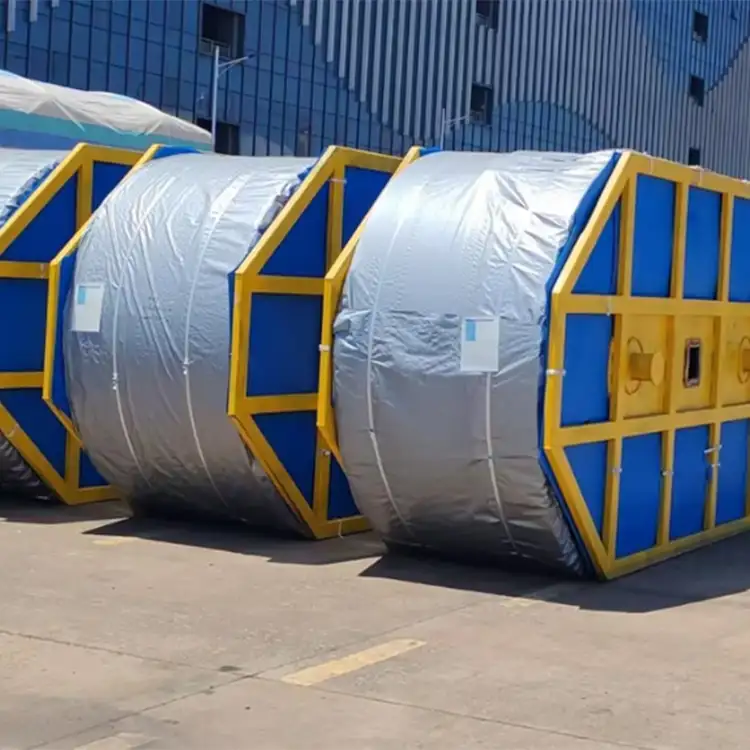
Standard Packing: Conveyor belt rolls are wrapped by plastic film and woven fabric to resist moisture and dust.

Optional Packing: Custom packaging solutions including cassette, long elliptical frame and octagonal frame are offered for easier cargo handling and on-site installation.

Marking: Every roll is marked with product code, technical specs, length, batch No. and manufacturing date.

Loading: Belts will be firmly secured inside containers to prevent movement during ocean shipment.

FAQ

Q1: What is the difference between weak acid-alkali resistant belt and strong acid-alkali resistant belt?

A1: They adopt different rubber formulas. The weak type suits low-concentration acid, alkali and salt medium. The strong type uses special compound to resist high-concentration corrosive media, with better anti-swelling and anti-aging performance.

Q2: What medium can this acid & alkali resistant conveyor belt handle?

A2: It is designed for wastewater sludge, filter cake and sediment exposed to dilute or concentrated acid, alkali and salt solution in wastewater treatment plants.

Q5: Can you customize the cover rubber thickness?

A5: Yes. Top and bottom cover thickness can be customized based on material abrasion and corrosion level.

Send Inquiry
Contact Info
Contact Global Belting for customized Multi Ply Conveyor Belt, Specialty Conveyor Belt, Steel Cord Conveyor Belt requirements, OEM manufacturing support, technical consultation and competitive factory direct solutions.
X
We use cookies to offer you a better browsing experience, analyze site traffic and personalize content. By using this site, you agree to our use of cookies. Privacy Policy
RejectAccept