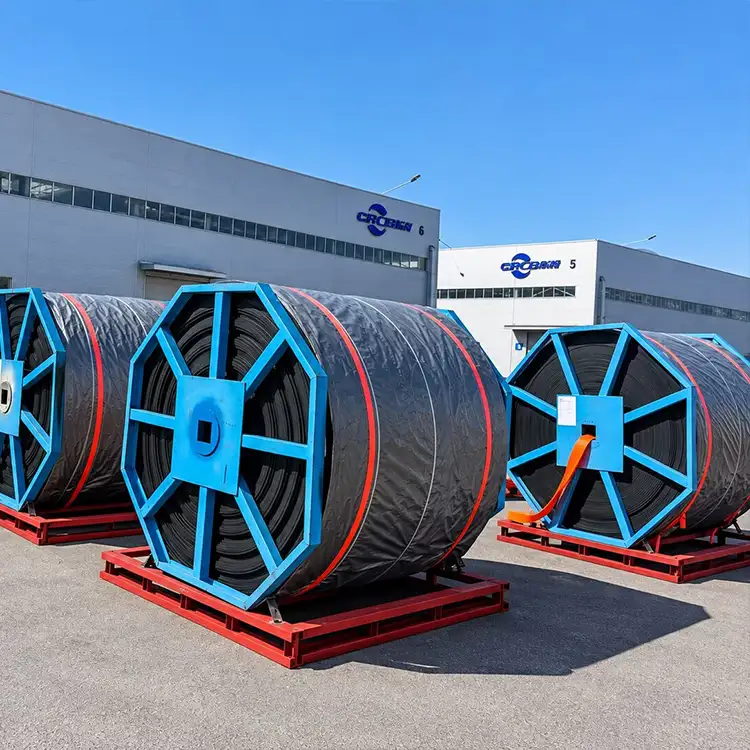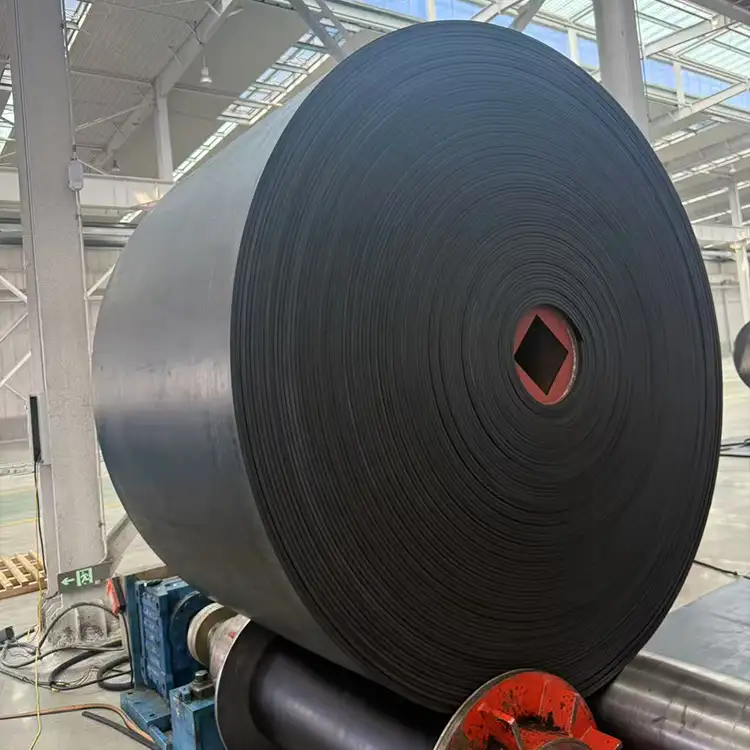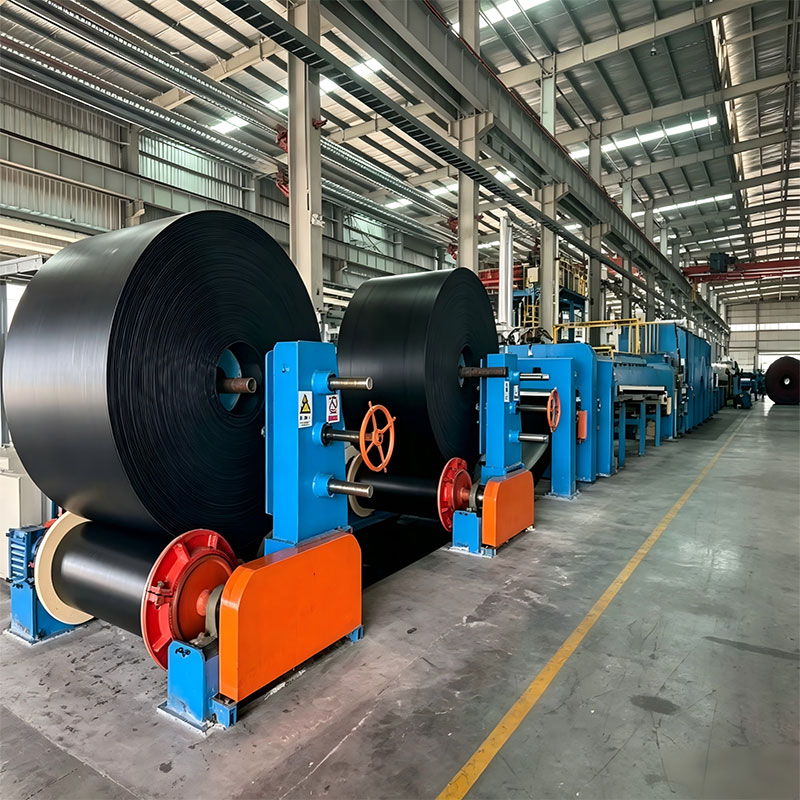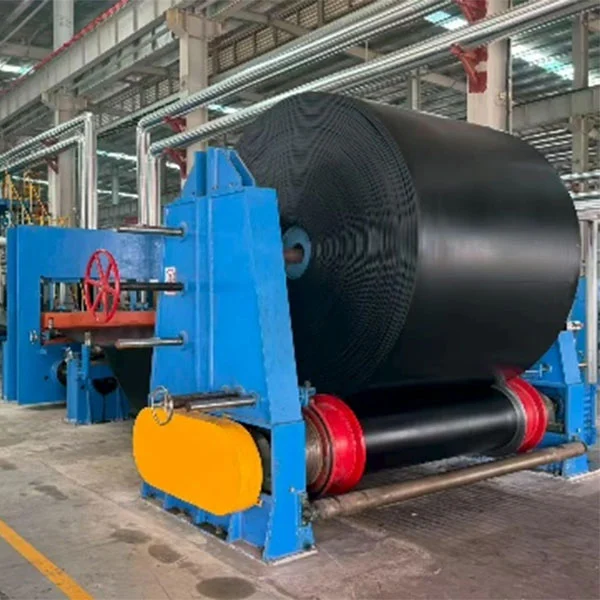
Cross Rigid Conveyor Belts

Leading Cross Rigid Conveyor Belts Manufacturer

▸ The Problem

In mining, quarrying and recycling operations, conveyor belts are often exposed to sharp rocks, metal fragments and heavy impact during material loading. These conditions can create cuts on the belt surface and cause longitudinal tearing, resulting in unexpected downtime and high maintenance costs.

▸ The Solution


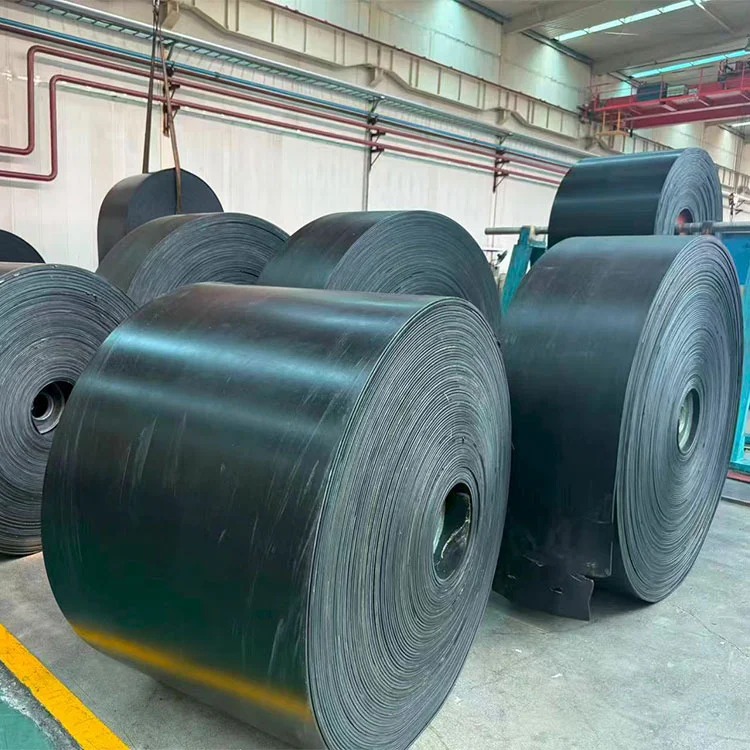
Cross Rigid Conveyor Belt is designed to address damage caused by ripping, impact, and transverse deformation. By combining polyester tension plies with cross-stabilized reinforcement layers, the structure provides greater resistance to tearing and deformation while maintaining stable running performance.

Unlike conventional belts that mainly focus on longitudinal strength and trough formation, this construction provides increased rigidity across the belt width. It helps maintain a stable shape during operation and is particularly suitable for sidewall and cleated conveyor systems used for steep-angle material handling.

Qingdao Global Belting Group Co., Ltd. manufactures this type of heavy-duty belting for mining, steel, quarrying, recycling, and other bulk material handling applications, with reinforcement structures customized according to operating conditions.


Cross Rigid Conveyor Belt

Why Conventional Conveyor Belts Fail in Severe Conditions

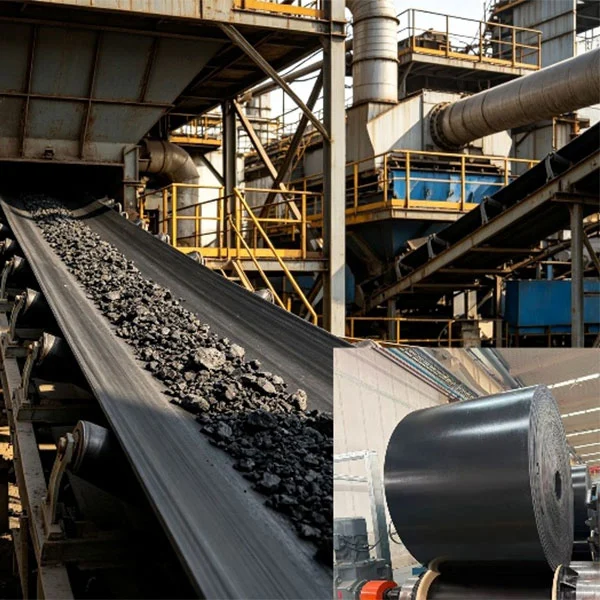
In heavy-duty conveying systems, belt damage is not always caused by normal wear. Sharp and oversized materials can penetrate the belt surface, especially at loading points where impact forces are concentrated.

Once a sharp object enters the belt structure, it may move along the conveying direction and create a continuous longitudinal tear. This type of failure can damage a large section of the belt and interrupt production.

Cross Rigid Conveyor Belts uses reinforced transverse elements inside the carcass to limit tear expansion. The structure helps absorb impact energy and improves resistance against cutting forces caused by sharp materials.

It is particularly suitable for applications involving:

  • Large lump materials
  • Sharp-edged rocks
  • Scrap metal
  • Heavy mining materials
  • High-impact loading conditions

Working Principle

How Cross-Stabilized Structure Improves Belt Performance

  • 1 The performance of Cross Rigid Conveyor Belts comes from the combination of longitudinal strength and transverse stability.
  • 2 The polyester tension plies inside the belt provide the main tensile force required for conveyor operation. They maintain belt strength during continuous pulling and carrying loads.
  • 3 The cross-stabilized reinforcement layer works in the transverse direction. It increases resistance against lateral deformation and prevents sharp objects from easily cutting through the belt carcass.

During operation, this structure allows the belt to:

  • Maintain width stability under heavy loads
  • Resist longitudinal tearing
  • Absorb impact from falling materials
  • Support steep-angle conveying systems

The result is a conveyor belt that combines running flexibility with strong protective performance.

Cross-Stabilized Fabric Construction

The carcass structure is the key difference between Cross Rigid Conveyor Belt and standard fabric conveyor belts.

The belt combines polyester tension plies with cross-stabilized reinforcement fabric. This construction creates a strong internal network that improves belt protection without making the belt difficult to operate.

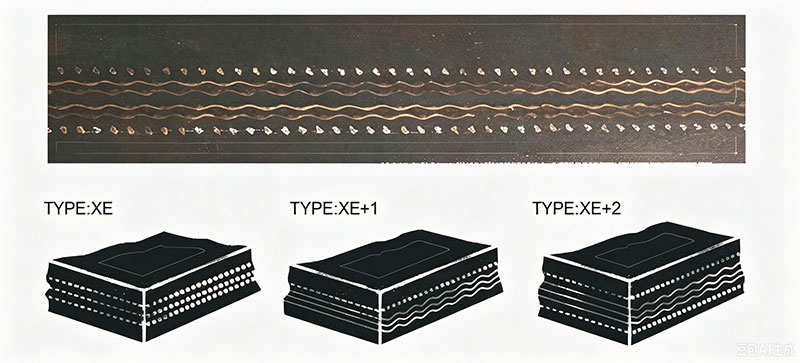
The belt classification includes:

X

Cross-Stabilized Construction
The cross reinforcement layer provides additional transverse rigidity and improves resistance against tearing.

E

Polyester Tension Plies
The polyester tension layer provides the main longitudinal strength required for conveyor operation.

+1 / +2

Cross-Stabilized Layers
Additional cross-stabilized layers can be added according to the required protection level and operating conditions.

Different reinforcement combinations are available depending on material impact, conveyor design and service requirements.

Stable Belt Performance for High-Angle Conveying

Maintaining Belt Shape Under Difficult Conditions

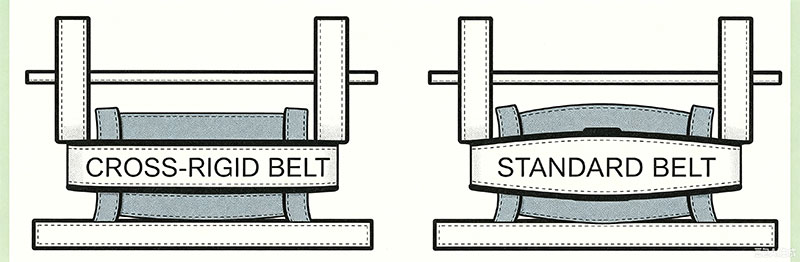
Most conventional conveyor belts are designed to form a trough shape through idlers. This design works well for many bulk material applications but may not be suitable for certain high-angle conveying systems.

Cross Rigid Conveyor Belt has higher transverse stiffness, allowing the belt to maintain a more stable width direction during operation.

This characteristic makes it suitable for integration with:

  • Sidewall conveyor belts
  • Cleated conveyor belts
  • Steep incline conveying systems

When combined with sidewalls and cleats, it can support conveying angles up to 75°, helping industries move materials vertically or at steep inclines while reducing equipment space requirements.

Application Areas

Mining and Quarrying

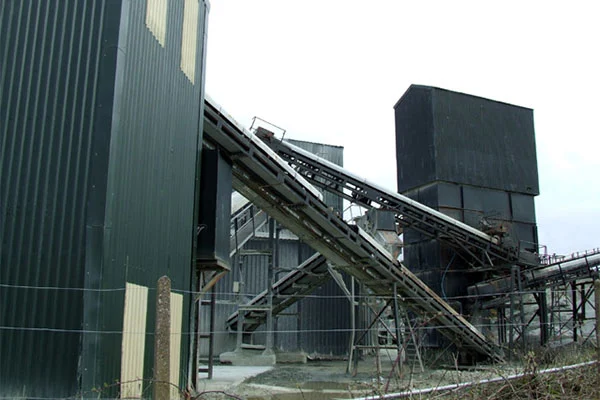
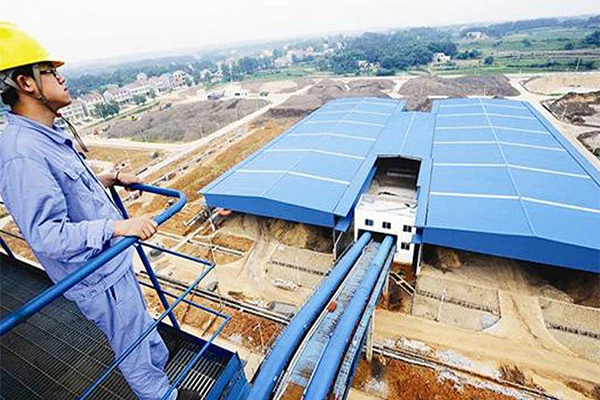
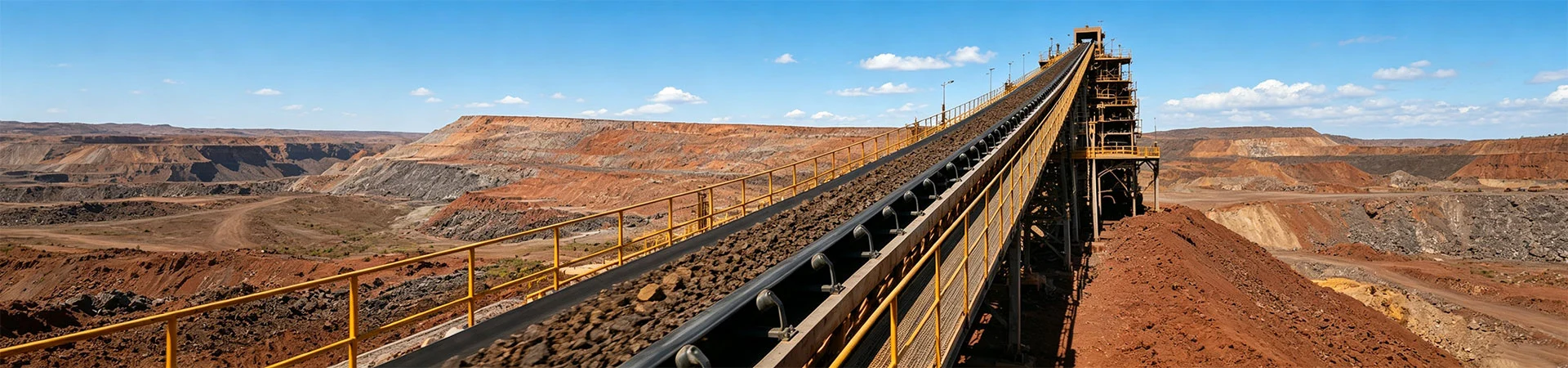
Mining and quarrying operations are among the most demanding environments for conveyor belts. Materials such as iron ore, stone and aggregates often contain sharp edges and create strong impact during loading. Cross Rigid Conveyor Belt provides additional protection against cuts and tearing, improving conveyor reliability in harsh conditions.

Recycling and Waste Processing

Recycling systems frequently handle irregular materials, including construction waste, scrap metal and mixed materials. The reinforced carcass structure helps reduce damage caused by sharp objects and improves belt service life in recycling environments.

Steel Industry

Steel plants transport heavy materials such as coke, sinter, ore and scrap metal. It is suitable for sections where high impact resistance and structural stability are required.

Steep Incline Material Transfer

For projects where space is limited, steep-angle conveying systems provide an efficient alternative to traditional horizontal conveyors. It offers the belt stability required for sidewall and cleated conveyor designs used in vertical lifting applications.

Belt Type Identification

Marking Description
X Cross-Stabilized Construction
E Polyester Tension Plies
+1 One Layer of Cross-Stabilized Reinforcement
+2 Two Layers of Cross-Stabilized Reinforcement

The belt structure can be selected according to required tear resistance, material impact level and conveyor design.
Cross Rigid Conveyor Belt Construction

Cross Rigid Conveyor Belt Compared with Standard Conveyor Belt

Item Cross Rigid Conveyor Belt Standard Fabric Conveyor Belt
Main Purpose Rip protection and impact resistance General material transportation
Transverse Stability High rigidity across belt width More flexible
Tear Resistance Excellent protection against longitudinal tearing Standard protection
Sharp Material Handling Suitable for severe conditions Limited depending on belt type
Steep Angle Application Suitable with sidewall and cleats Usually limited

Why Choose Qingdao Global Cross Rigid Conveyor Belts

Qingdao Global focuses on developing conveyor belt solutions for demanding industrial applications.

Customers choose Cross Rigid Conveyor Belt because of:
Experience in heavy-duty conveyor belt manufacturing since 2008
Specialized reinforcement structures for rip protection
Customized belt design according to working conditions
Large-scale production capability
Professional testing laboratory
Export experience to more than 50 countries
OEM and ODM manufacturing support

Frequently Asked Questions

What is a Cross Rigid Conveyor Belt?
It is a reinforced belt that combines polyester tension layers with transverse reinforcement. This structure improves resistance to tearing, impact, and transverse deformation.
What problem does this construction solve?
It is mainly designed to solve belt damage caused by sharp materials, heavy impact and longitudinal tearing in demanding conveying environments.
How is Cross Rigid Conveyor Belt different from EP Conveyor Belt?
EP Conveyor Belt mainly uses polyester and nylon fabric layers for tensile strength. It adds cross-stabilized reinforcement to improve transverse rigidity and tear resistance.
Can this reinforced belt handle sharp materials?
Yes. The reinforced structure is designed for applications involving sharp rocks, metal pieces and other materials that may damage conventional belts.
Is it suitable for sidewall conveyor systems?
Yes. Its stable transverse structure makes it suitable for sidewall and cleated conveyor belt systems.
What industries commonly use this type of belt?
Typical applications include mining, quarrying, steel production, recycling, ports, and heavy-duty bulk material handling. It is particularly useful where impact and tear resistance are important.
What conveying angle can it support?
When combined with suitable sidewalls and cleats, this steep-angle conveyor belt can be used for conveying angles up to approximately 75°. The actual angle depends on material characteristics, conveyor design, cleat height, and loading conditions.
Can Qingdao Global customize Cross Rigid Conveyor Belt?
Yes. Qingdao Global provides customized belt widths, reinforcement structures, rubber compounds and OEM manufacturing services according to project requirements.
View as  
 
Cross Rigid Conveyor Belt for Mining

Cross Rigid Conveyor Belt for Mining

Global Belting Cross Rigid Conveyor Belt for Mining combine longitudinal flexibility with transverse stiffness for mining equipment that requires a flat, laterally stable carrying surface. Cross-stabilized reinforcement helps the belt resist bending across its width while allowing it to bend around suitable pulleys. XE, XE+1 and XE+2 constructions provide options for matching transverse support and conveyor loading. This configuration uses a plain base belt without sidewalls or cleats and must be selected for compatible flat-supported, horizontal or suitably shallow-incline conveying duties.
Cross Rigid Belt for Cement Plant

Cross Rigid Belt for Cement Plant

The cross rigid belt for cement plants is built around transverse reinforcement set inside the carcass, which holds the trough profile and limits sag between idlers on long clinker and raw meal runs. Qingdao Global Belting manufactures the belt at its own plant in China, with ply count, tensile rating and cover compound customized to the plant layout. Heat-resistant covers are available for kiln discharge duty, factory test reports are issued per batch, and a cover sample can be sent for evaluation before the order.
Cross Rigid Conveyor Belt for Sidewall Belt

Cross Rigid Conveyor Belt for Sidewall Belt

Engineered specifically as the high-performance foundation for corrugated sidewall conveyor systems, our cross rigid conveyor belt combines high transverse stiffness with longitudinal flexibility. As a direct manufacturer and factory in China, we produce joint-free carcass belts that resist transverse cupping and support steep incline bulk material handling without sagging. Available with custom cover compounds and free samples for industrial testing at a competitive low price.
As a reliable Cross Rigid Conveyor Belts manufacturer and supplier in China, we have our own factory. If you want to buy high-quality conveyor belts, please contact us.
X
We use cookies to offer you a better browsing experience, analyze site traffic and personalize content. By using this site, you agree to our use of cookies. Privacy Policy
RejectAccept