Email
WhatsApp

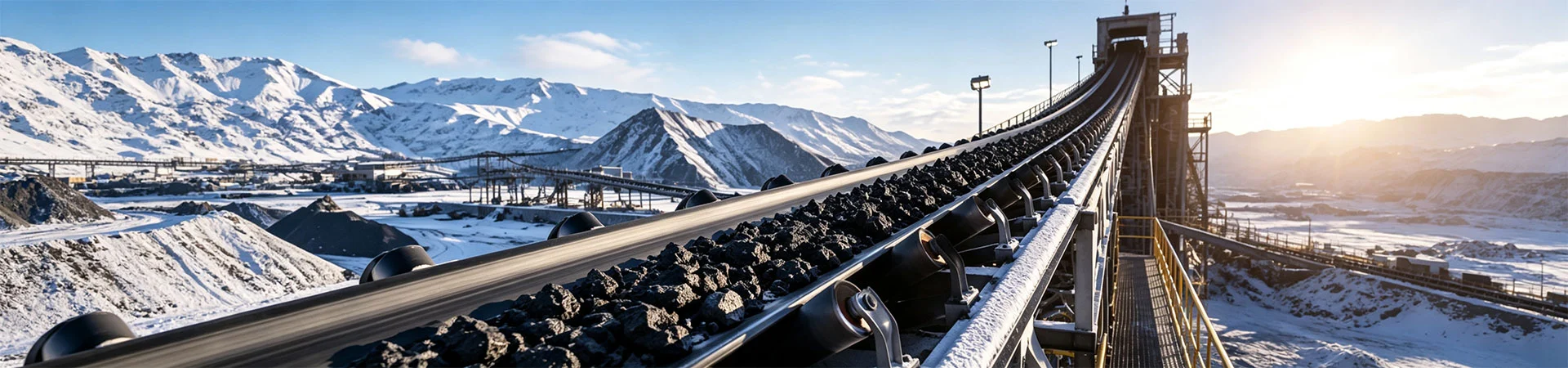
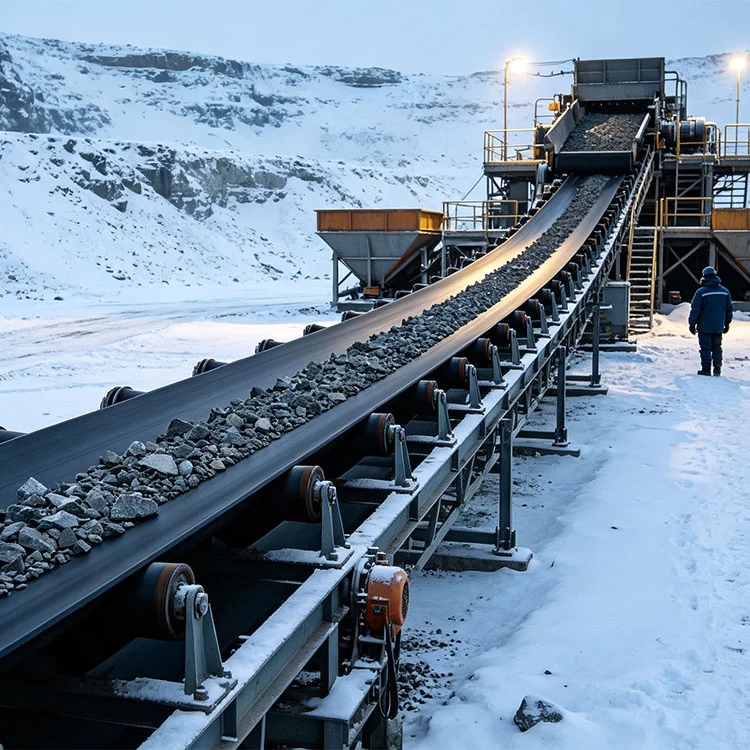
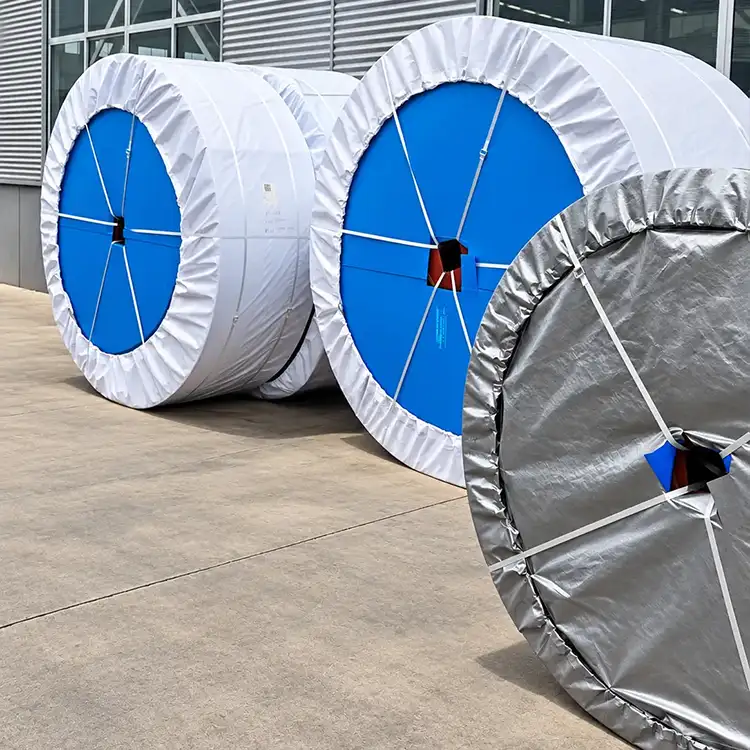
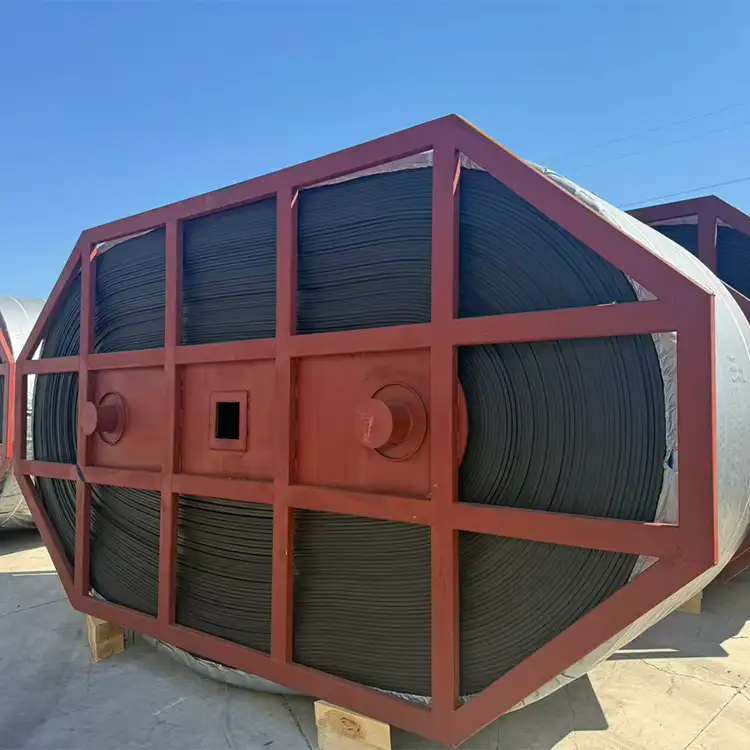
The Cold Resistant Conveyor Belt is specifically designed for low-temperature operating environments. This conveyor belt uses a cold-resistant rubber compound that maintains its elasticity and mechanical properties even in frozen conditions, ensuring continuous material transport in cold regions, open storage yards, and winter production facilities.
Low temperature affects conveyor belts in several ways.
The rubber cover is the first part exposed to the environment. At extremely low temperatures, ordinary rubber may lose flexibility and become harder. During operation, repeated bending around drive pulleys and idlers can accelerate cracking and surface damage.
For long-distance conveyors installed outdoors, these problems may lead to increased maintenance requirements and unexpected production interruptions.
Cold Resistant Conveyor Belt is developed to maintain stable physical properties under low-temperature conditions, helping conveyor systems operate normally throughout the year.
The performance of a cold resistant conveyor belts depends mainly on the rubber compound.
Qingdao Global uses specially selected rubber formulations with improved low-temperature flexibility. The cover rubber is designed to maintain elasticity while providing the required resistance against wear and mechanical stress.
Depending on the application, the belt can be manufactured with different reinforcement structures, including EP and NN fabric carcasses, to meet various conveyor length and load requirements.
Cold resistant rubber remains flexible when temperatures decrease, reducing the risk of cracking caused by repeated bending during operation.
This is especially important for outdoor conveyors exposed to seasonal temperature changes.
Many bulk material handling systems cannot stop during winter conditions.
Cold resistant conveyor belts are designed for stable conveying in low-temperature environments such as open-pit mines, ports and outdoor stockyards.
Low temperature resistance does not replace mechanical performance.
The belt combines cold-resistant cover rubber with suitable carcass structures to provide tensile strength, impact resistance and long service life.
Mining sites in northern areas often operate under freezing temperatures. Cold resistant belts are suitable for transporting ores, coal and mineral materials where outdoor exposure is unavoidable.
Outdoor port conveyors may face strong winds, snow and low temperatures during winter. Reliable belt performance helps maintain continuous loading and unloading operations.
Coal transportation systems require stable operation throughout the year. Cold resistant conveyor belts help reduce weather-related maintenance issues in outdoor conveying systems.
Raw materials such as iron ore and coal are often transported through outdoor conveyor networks where temperature resistance is required.
Choosing the correct belt depends on the actual operating environment.
Important factors include:
For extremely cold environments, customers should provide detailed operating conditions so the correct rubber grade and belt structure can be selected.
The belt consists of cover rubber, reinforcement carcass and bonding rubber.
The cold-resistant cover rubber provides protection against low-temperature conditions and external wear.
The carcass provides the required tensile strength and dimensional stability. EP fabric is commonly selected for general industrial applications, while NN fabric can be used where higher flexibility is required.
The bonding layer maintains adhesion between rubber layers and reinforcement materials during repeated temperature changes.
Qingdao Global Belting Group Co., Ltd. has specialized in industrial conveyor belt manufacturing since 2008.
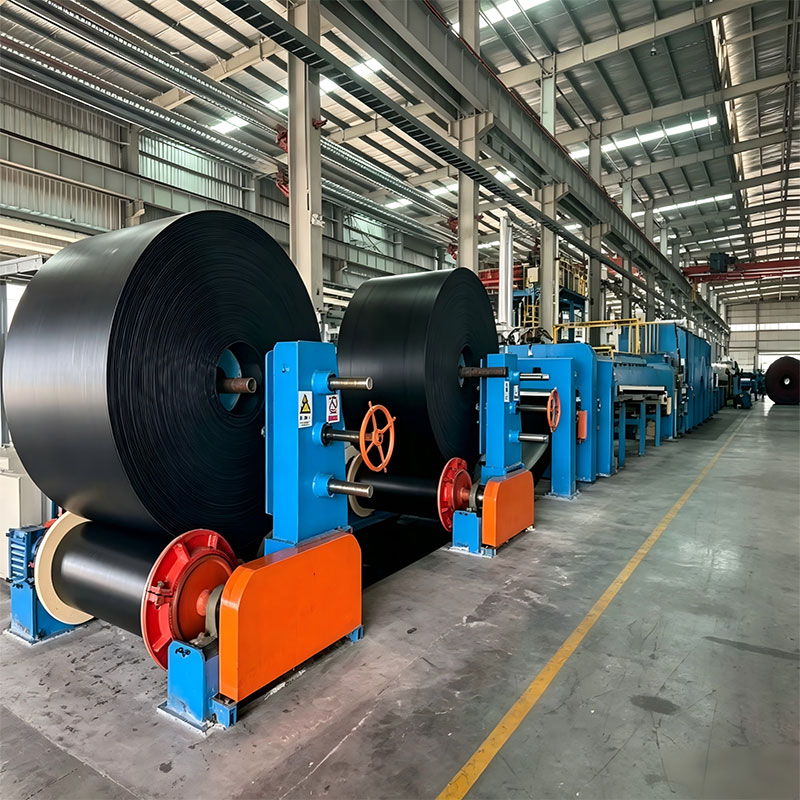
With production facilities covering 660,000 square meters, the company operates 24 workshops and more than 100 production lines. Annual production capacity reaches 21 million square meters.
The manufacturing process covers rubber mixing, calendering, fabric preparation, belt forming, vulcanization and final inspection.
Qingdao Global supplies conveyor belt solutions to more than 50 countries and regions, serving industries including mining, cement, metallurgy, ports, power generation and recycling.
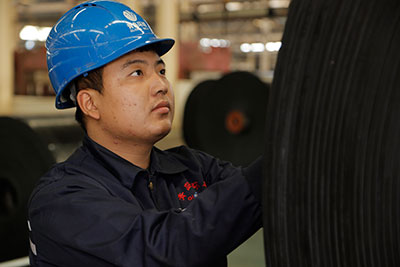
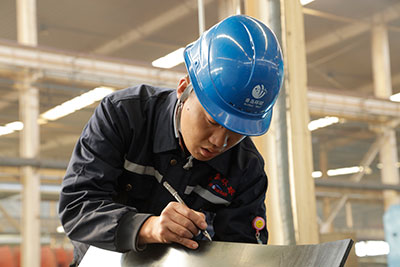
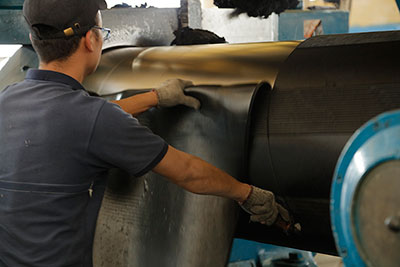
Qingdao Global produces conveyor belts for demanding applications where temperature, abrasion and heavy loads affect belt performance.
The company controls rubber formulation and production processes to ensure consistent performance between batches.
The in-house laboratory performs tests for tensile strength, elongation, abrasion resistance, aging resistance and other physical properties.
Different projects require different belt structures. Qingdao Global provides customized solutions based on conveyor design, material characteristics and operating conditions.
| Cold Resistant Conveyor Belt | Standard Conveyor Belt | |
|---|---|---|
| Low Temperature Performance | Maintains flexibility in cold conditions | Rubber may harden at low temperature |
| Crack Resistance | Higher resistance to cold cracking | Higher risk under freezing conditions |
| Application | Outdoor cold regions | Normal temperature environments |
| Typical Use | Mining, ports, winter operations | General material handling |