Email
WhatsApp

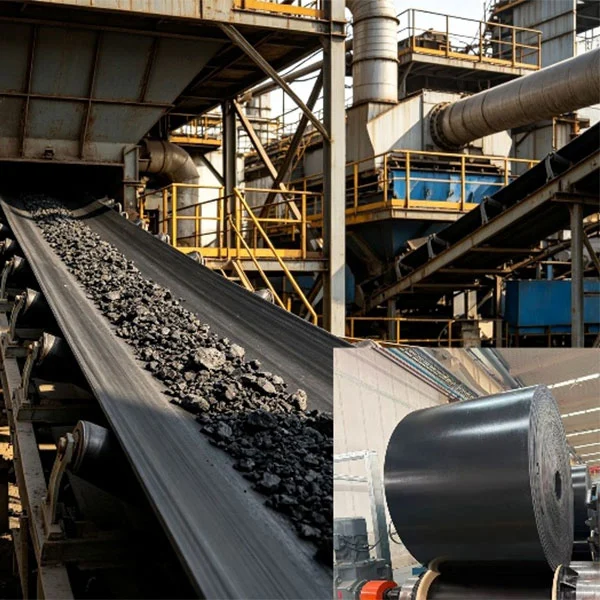
Cover rubber: Cold resistant compounds are selected to retain flexibility at the specified low temperature while providing the wear protection required for ore, coal and aggregates.
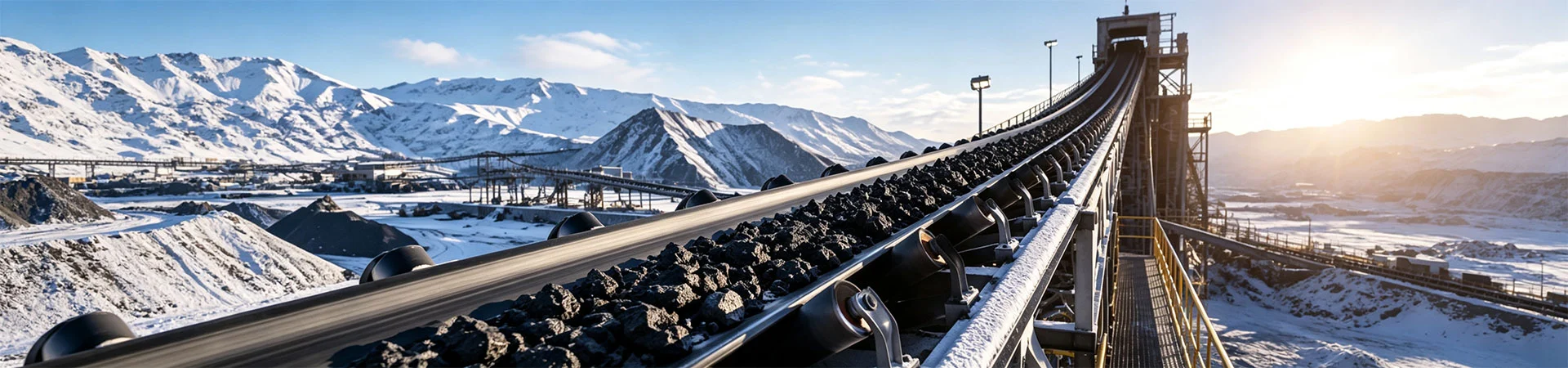
Cold performance: Define the minimum belt temperature, duration of cold exposure and whether the conveyor must start after a prolonged shutdown. An ambient temperature rating alone does not define every operating condition.
Carcass construction: Select fabric or steel cord reinforcement according to conveyor tension, route length, loading impact and pulley geometry. Cold resistance is a compound property requirement, not a carcass type.
System compatibility: Assess pulleys, trough transitions, splice materials, cleaners and loading arrangements for winter duty. Manage snow and ice separately; a cold resistant belt does not prevent icing or guarantee traction on frozen surfaces.
| Item | Specification |
| Product Name |
Cold Resistant Conveyor Belt for Ports and Terminals |
| Cover Compound | Cold resistant rubber matched to minimum belt temperature |
| Carcass | Fabric or steel cord; selected by conveyor design |
| Belt Width | Matched to throughput, cargo size and conveyor layout |
| Minimum Temperature | Grade-specific; confirm belt temperature, exposure duration and cold-start duty |
| Additional Requirements | Specify abrasion, flame or conductivity performance separately where required |
| Cover Thickness | Selected for cargo wear, impact and winter duty |
| Item | Description |
| Low Temperature Flexibility | Suitable compounds help retain flexibility under the agreed winter operating conditions. |
| Cold Related Crack Resistance | Assess cold bending and impact performance for the selected compound and duty. |
| Bulk Cargo Wear Protection | Match covers to ore abrasion, coal handling and the impact of frozen lumps. |
| Matched Belt and Splice System | Select reinforcement, splice materials and pulley compatibility as a complete system. |
| Winter Operation Planning | Define cold-start limits and inspection requirements together with snow and ice management. |
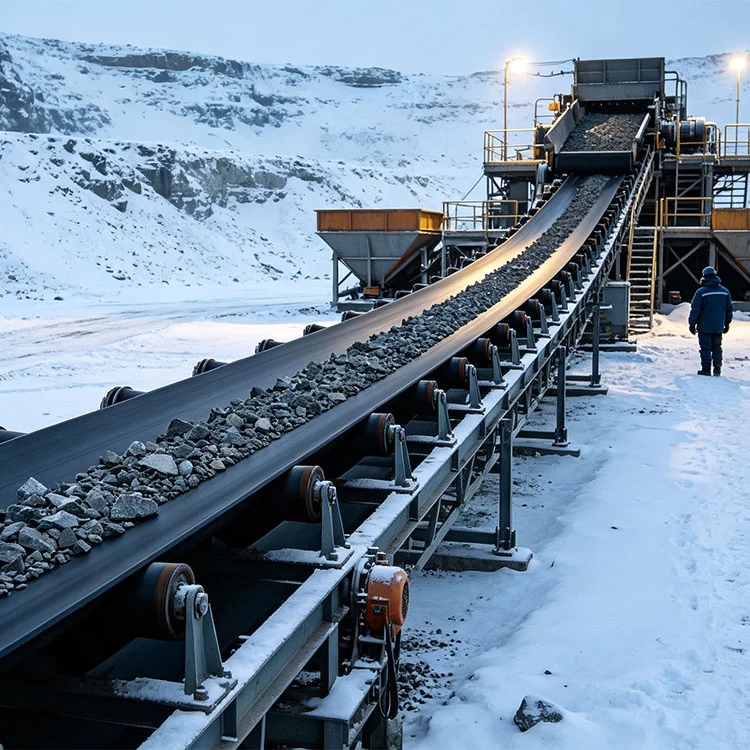
Winter berth transfer: Move ore, coal and aggregates between receiving hoppers, shore conveyors and compatible shiploading or unloading equipment.
Exposed stockyard conveyors: Connect stackers, reclaimers and outdoor stockpiles where belts experience prolonged winter exposure and cold starts.
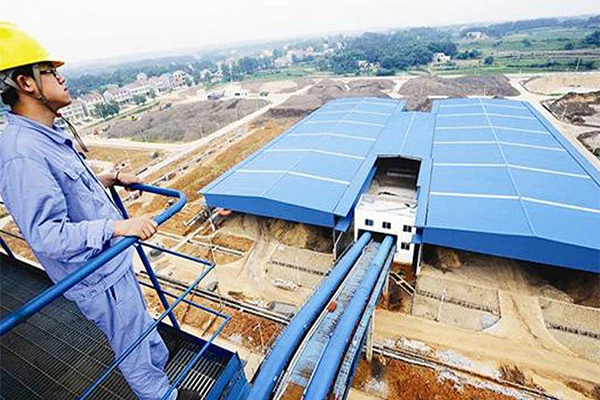
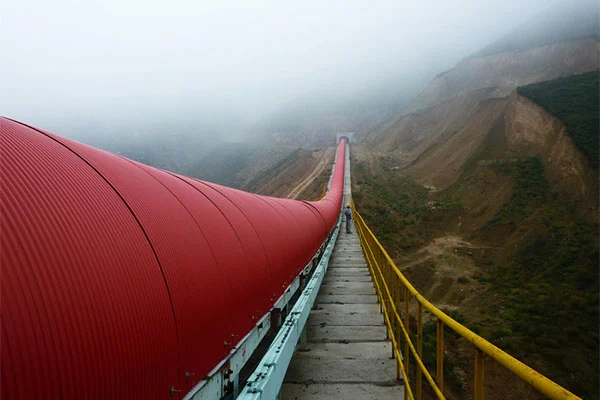
Long terminal conveyor routes: Transfer bulk cargo between waterfront facilities and inland storage areas, with construction matched to tension and cold-weather bending conditions.
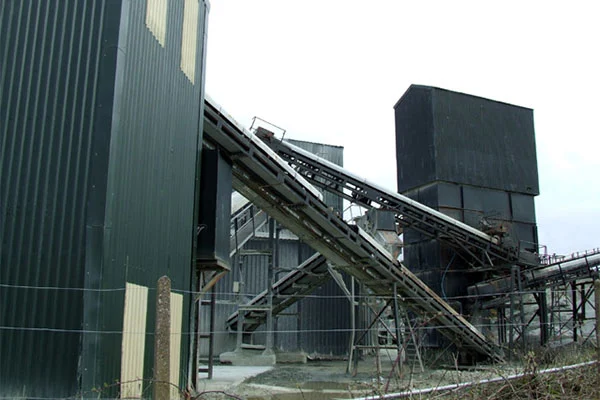
Rail and truck connections: Supply loading stations or receive cargo from inland transport, with attention to frozen lumps, transfer impact and winter housekeeping.

Engineering Capability: Support for winter terminal belt selection, including review of minimum belt temperature, cold-soak duration, starting conditions, tension calculations and field splicing requirements. Confirm the service scope for each project.
Product Compliance: Define applicable DIN, ISO or GB/T requirements and low-temperature test methods in the technical agreement. Agree the relevant cold-flexibility, mechanical and adhesion criteria and the required supporting records.
Technical Service: Pre-sales winter-duty assessment, installation and splicing consultation, and follow-up on tracking, cover condition, cleaning and seasonal maintenance after commissioning.
Production and Inspection: Specify cold resistant covers, carcass, dimensions and compatible splice materials. Agree pre-shipment dimensional, appearance, mechanical, adhesion and relevant low-temperature checks with batch traceability.
Equipment retrofit compatibility: Assess the existing pulley diameters, take-up arrangement and splice access when replacing a belt, helping identify whether the proposed construction can fit the current conveyor.
Maintenance cost considerations: Review cover wear, splice condition and repair access alongside the purchase specification so that replacement planning reflects the terminal maintenance workload.
Procurement clarity: Specify roll lengths, maximum roll weight, lifting arrangements and required inspection documents before ordering to support unloading and installation planning.
Delivery and replacement coordination: Match packaging, shipment sequence and splice preparation to berth access and planned conveyor shutdowns. Confirm delivery dates and service responsibilities in the order.
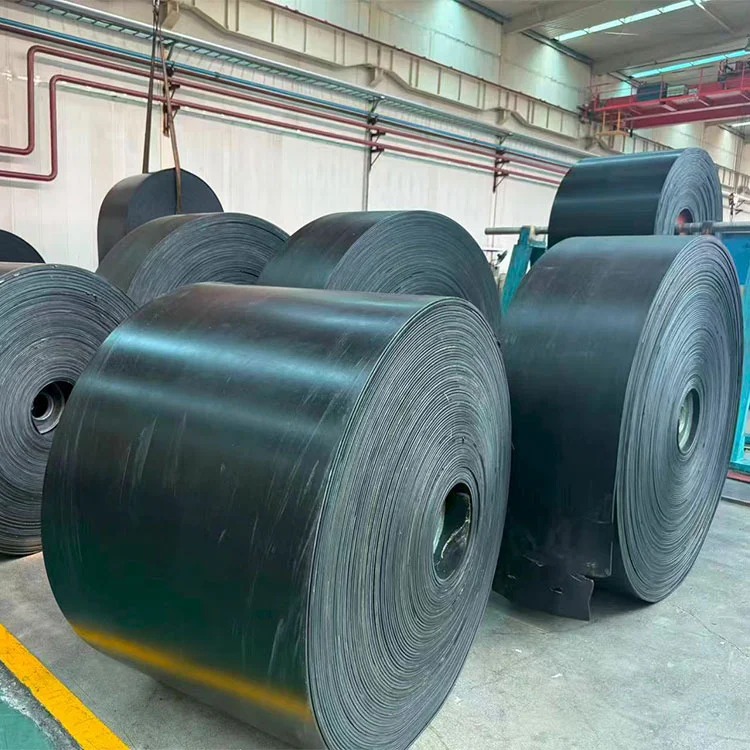
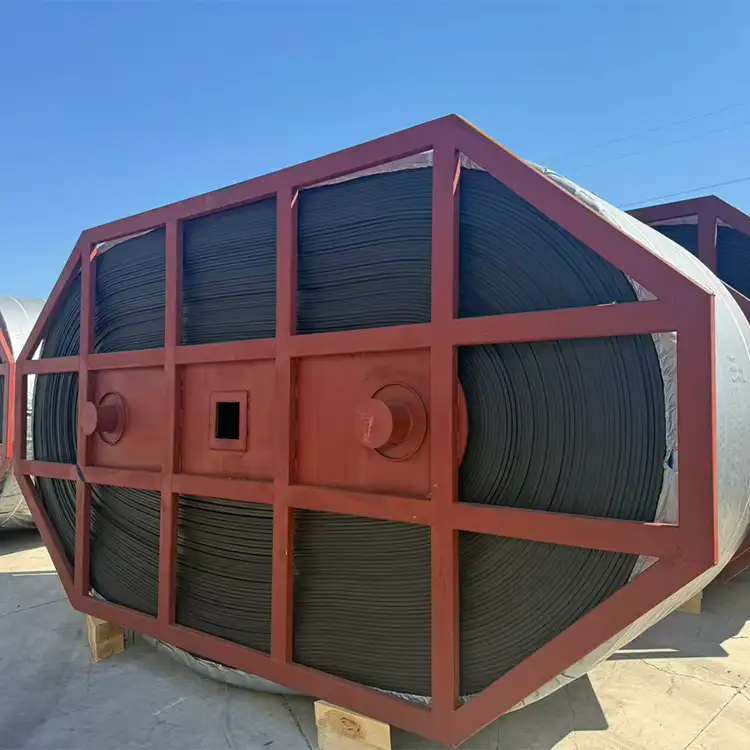
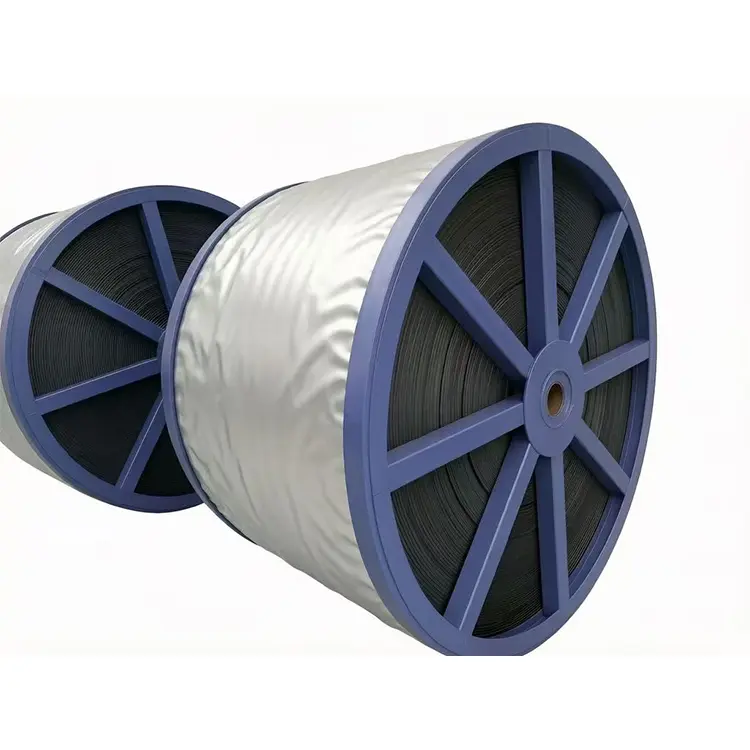
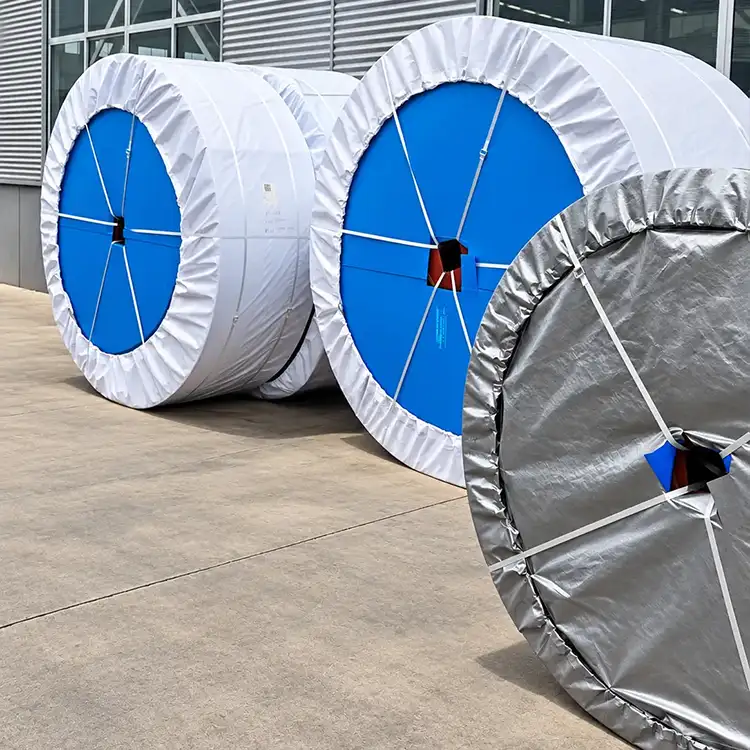
Roll protection: Use protective wrapping suitable for shipment and storage. Keep rolls dry, supported and protected from contamination. Follow the selected product requirements for cold storage, handling and temperature conditioning before unrolling.
Handling arrangement: Agree the reel or support structure, lifting method and allowable roll dimensions to suit shipment and site access.
Identification: Require roll labels showing the order reference, belt specification, roll length and traceable batch or roll number.
Transport securing: Specify suitable blocking and securing to prevent roll movement and damage during transport.
A1: The minimum temperature depends on the selected compound and complete belt construction. Provide the lowest expected belt temperature, cold-soak duration and cold-start requirements so that a suitable grade and test criteria can be confirmed.
A2: Compatibility must be checked against the existing belt specification, pulley diameters, take-up travel, trough transitions and splice arrangement. Provide the conveyor drawings and current belt details so that any necessary changes can be identified before ordering.
A3: Belt width, strength, cover thickness and roll lengths can be assessed for the project. Confirm manufacturing availability, maximum roll size and weight, transport restrictions and site lifting capacity in the quotation.
Address
Nancun Industrial district, Qingdao, Shandong, China
Tel