Email
WhatsApp

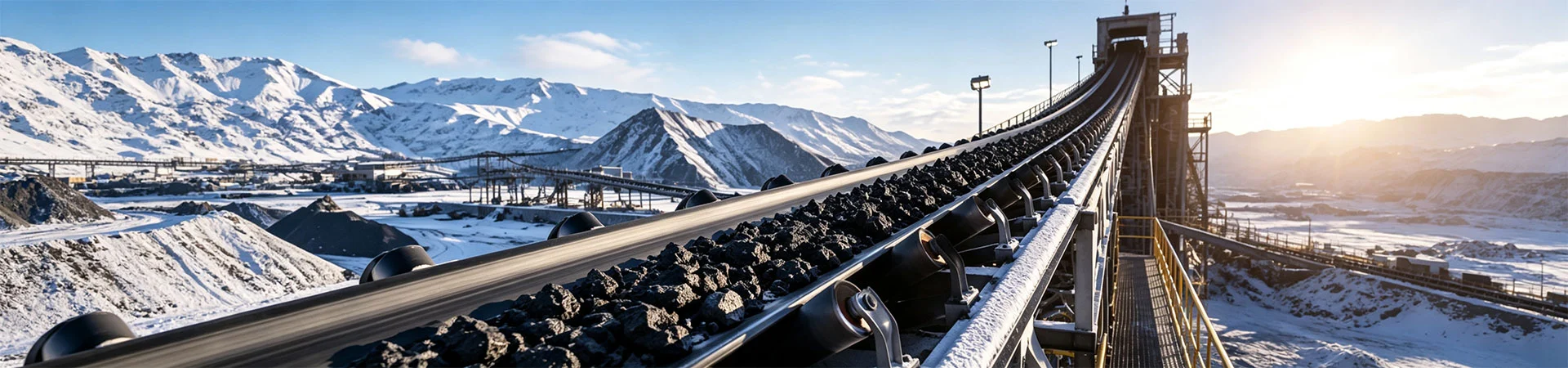
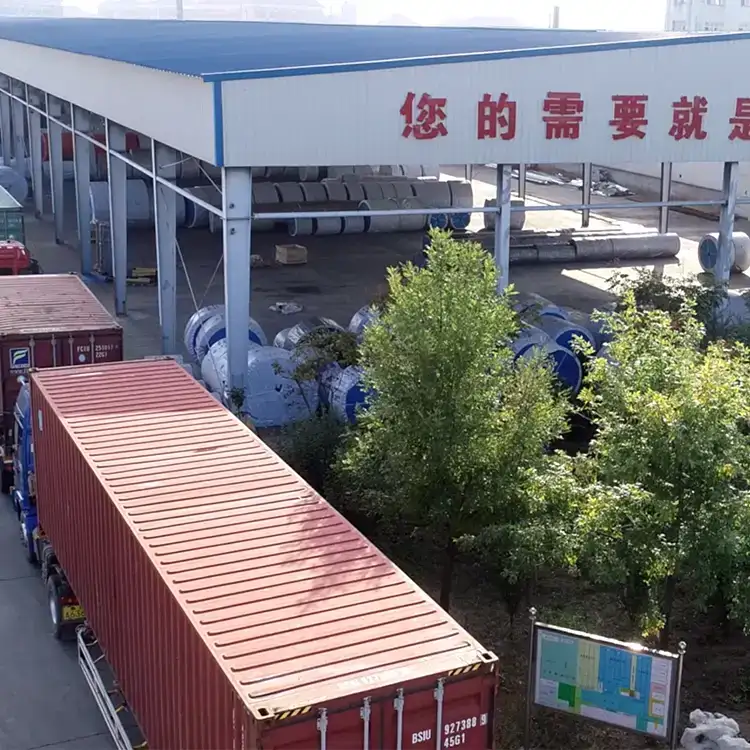
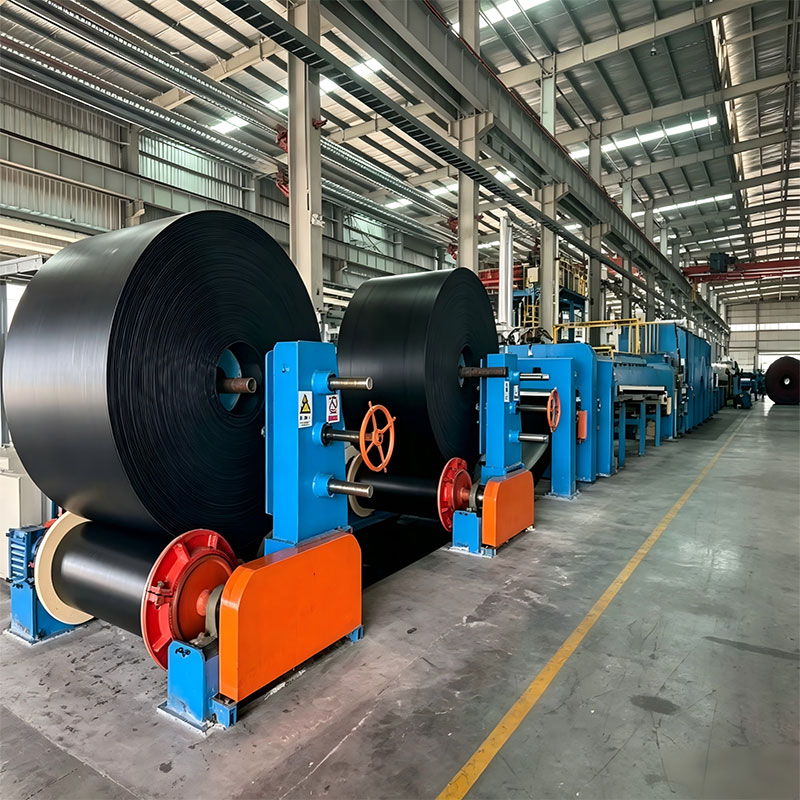
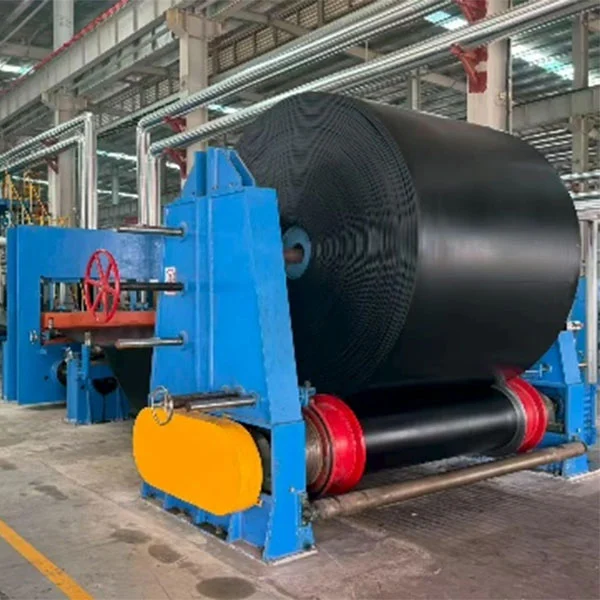
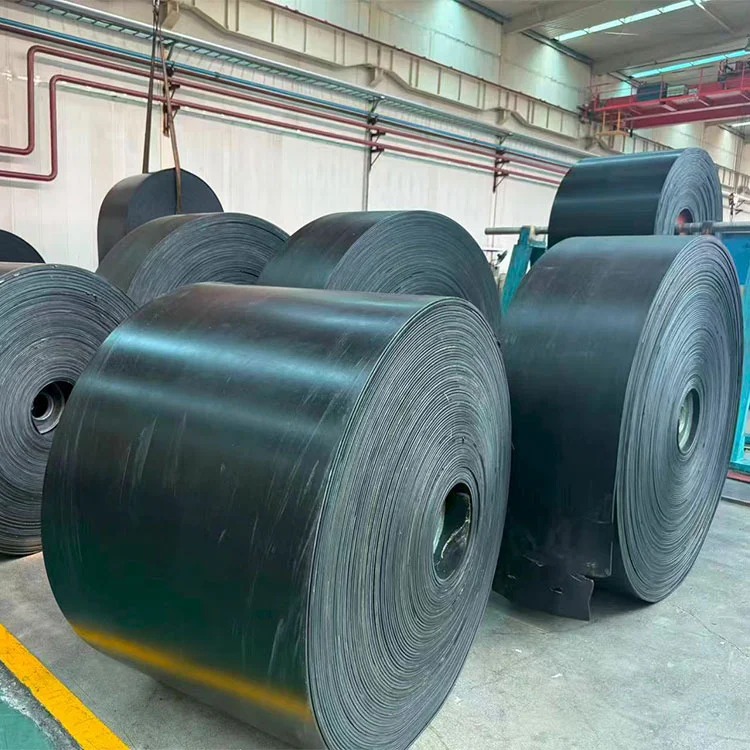
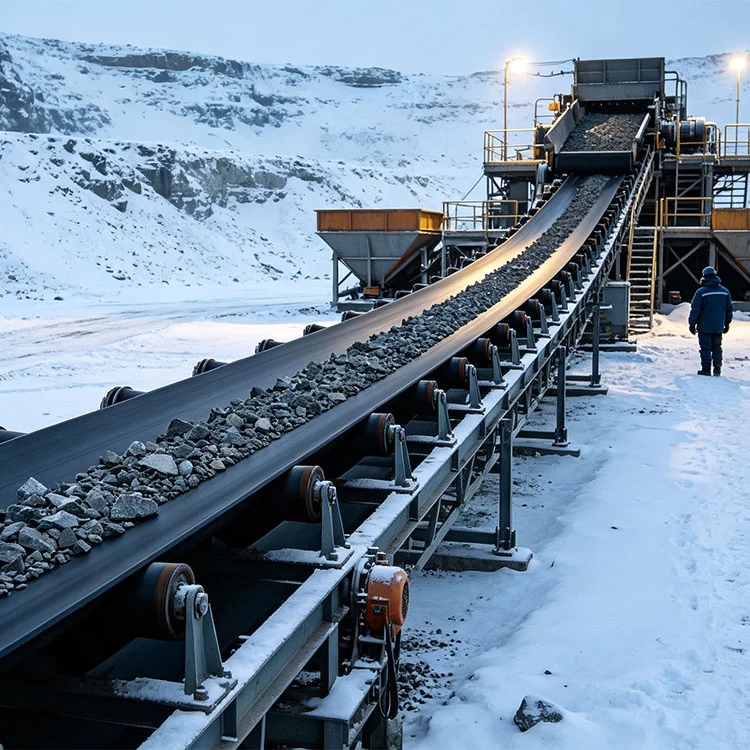
Qingdao Global Belting Group Co., Ltd. manufactures this cold resistant conveyor belt at its own factory in Qingdao, Shandong, China, for mines operating through arctic and sub-arctic winters. The low-temperature compound and the carcass are produced under one quality plan, so what is quoted is what gets built.
Buyers usually reach this page with a belt marking from the line being replaced, a seasonal temperature record, or a tender schedule from the mine. Send it and we will confirm the grade, carcass and cover thickness that fit.
The temperature grade is the first decision, and it is the one most often taken from the wrong number. A belt specified on an annual average will crack in the first cold snap. Start from the lowest ambient temperature the conveyor actually sees, then work outward.
After the temperature grade, four more values set the price and the build: carcass type, tensile rating, cover thickness and belt width. Get those five right at enquiry stage and the quotation does not need a second round. All grades sit within our cold resistant conveyor belts range.
Ordinary conveyor rubber is formulated to be flexible at ambient workshop temperature. Below about -20 °C the same compound hardens, loses rebound, and starts to crack at the point where it bends around the tail pulley. The belt does not fail dramatically — it fails at the splice, after a winter of flexing.
A natural rubber / butadiene rubber blend keeps elasticity at low temperature instead of stiffening. BR contributes the low-temperature flex, NR carries the wear resistance, and the ratio is set to the grade being produced. That is what separates a -45 °C belt from a -60 °C belt on the same production line.
Cold is as hard on adhesion as it is on the cover. If the rubber between plies stiffens faster than the plies themselves, the belt delaminates at the pulley. The bonding compound is matched to the cover compound for this reason, not sourced separately.
A hot vulcanised splice is only as cold-resistant as the material used to make it. Splice stock is drawn from the same low-temperature compound family and quoted with the belt, so the joint does not become the coldest and stiffest point on the line.
Cold rubber takes more torque to start. Where a conveyor is driven at the limit in summer, a winter cold start can slip the pulley. Account for cold-start motor torque and thermal contraction of the belt when sizing the drive — the belt cannot fix a drive that was sized for summer.
|
Parameter |
Specification |
|
Product Type |
Cold Resistant Conveyor Belt for Northern Mine |
|
Reinforcement Type |
Multi-ply synthetic fabric (EP/NN) or high-tensile steel cord (ST series) |
|
Tensile Strength |
Configured based on steady-state and peak startup tension calculations |
|
Belt Width Range |
Customized according to design throughput, trough angle and layout |
|
Cover Compound |
Low-temperature resistant NR/BR blend with customized top and bottom cover thickness |
|
Physical Properties |
Retains flexural fatigue resistance, tear strength and impact absorption under freezing conditions |
|
Splicing Method |
Hot vulcanized splicing with matching low-temperature bonding materials |
|
Quality Inspection |
Dimensional tolerance, cover adhesion, tensile strength and splice integrity testing |
|
Cold flexibility |
Core rubber elasticity and flexibility retained in continuous freezing operating environments |
|
Impact and tear resistance |
Abrasion, impact and tear resistance against coarse, frozen ore lumps at the loading point |
|
FRAS option |
Optional flame retardant and anti-static properties for underground mining compliance |
|
Drive protection |
Reduced cold-weather belt stiffness, which lowers the risk of drive pulley slippage and unplanned downtime |
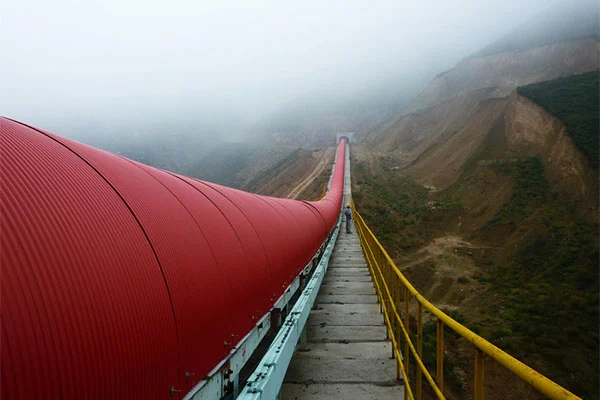
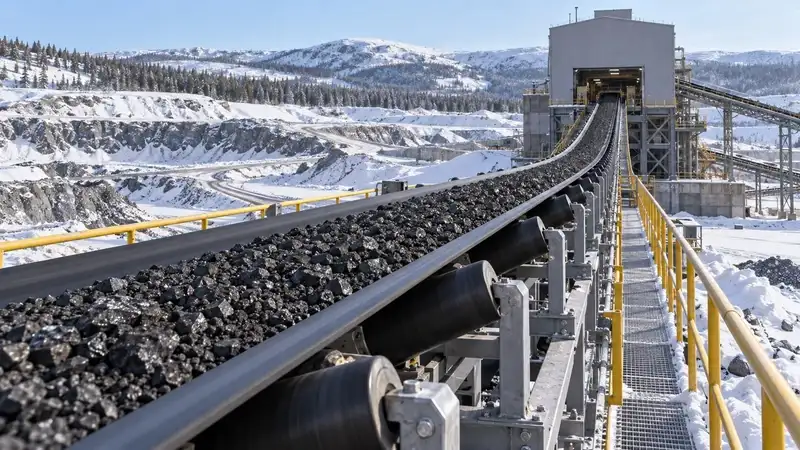
Overland and long-distance conveyors carrying extracted ore from open pits to crushing facilities. Route length, drive elevation and seasonal wind chill profile all affect the selection.
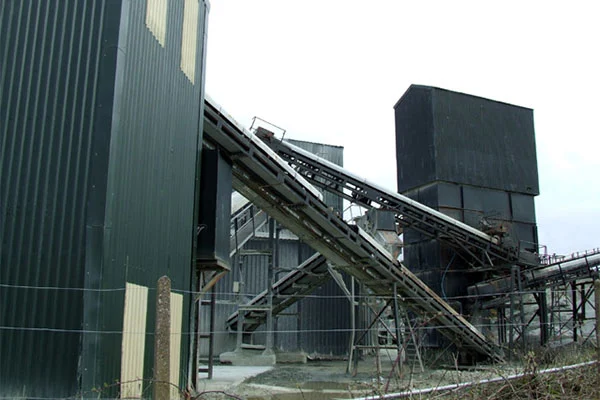
Transfer belts running under secondary crushers and vibrating screens. Requires adequate top cover gauge to absorb heavy impact from sharp, un-crushed rock at transfer points.
Stacking and reclaiming lines exposed to severe winter moisture, ice build-up and the impact of frozen lumps dropping onto the belt.
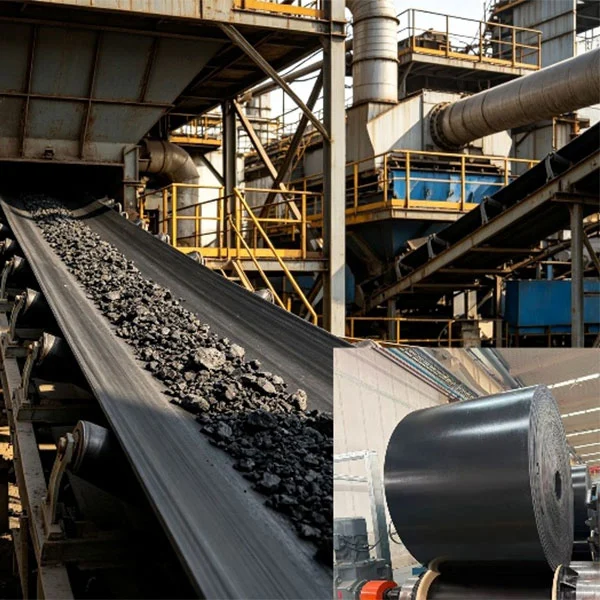
Run-of-mine coal transfer lines and rail loading terminals. Fire-retardant and anti-static compounds can be integrated where coal facility safety codes require them.
|
Engineering Support |
Technical consultation, system tension calculations, belt grade selection and hot vulcanized splicing guidance for low-temperature mining environments |
|
Compliance and Standards |
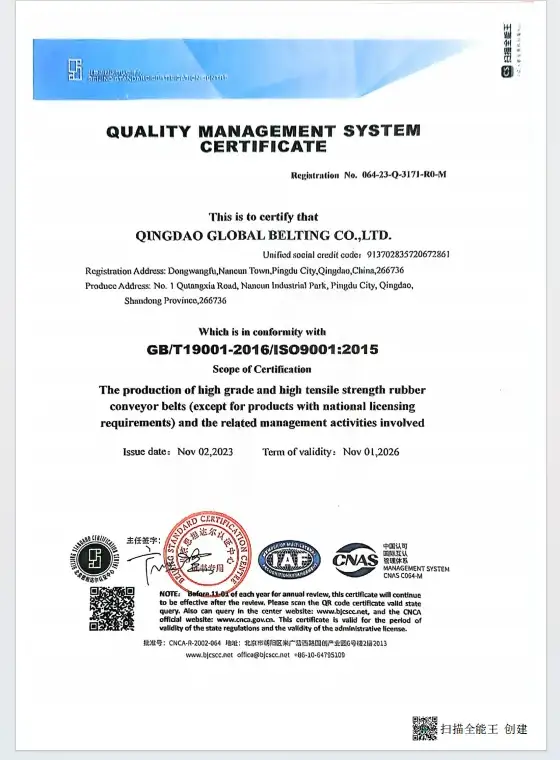
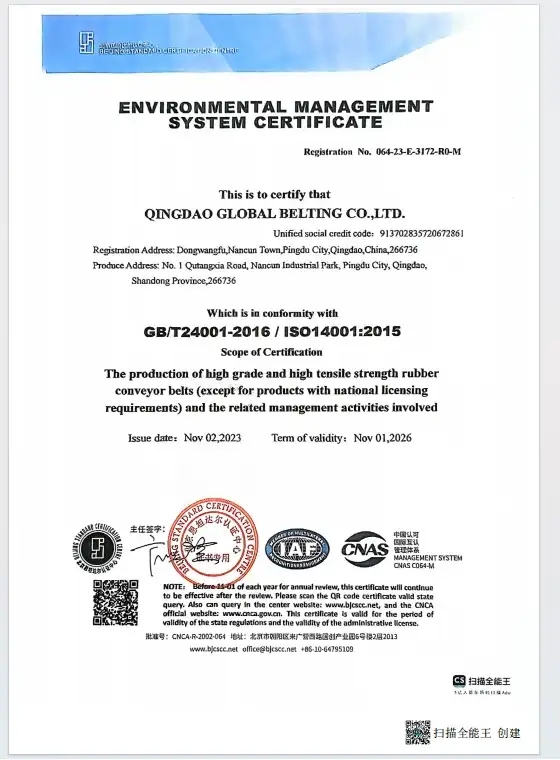
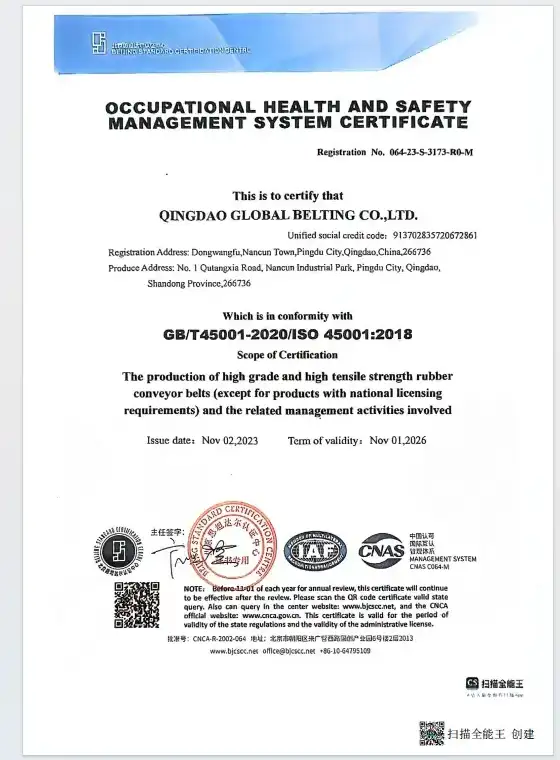
Manufactured in accordance with DIN 22102, GOST 20-2018 and GB/T 20021. SGS and ITP test certificates provided per order |
|
Quality Assurance |
In-house batch testing for low-temperature flexibility, ply adhesion, cover tensile strength and wear loss |
|
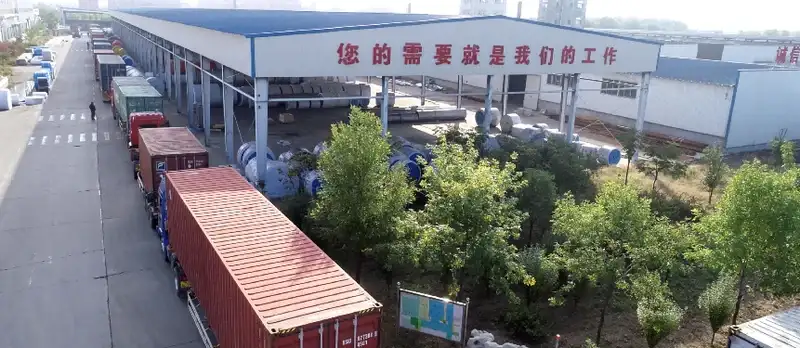
Manufacturing Capacity |
Dedicated production lines for heavy-duty fabric and steel cord cold-resistant belt constructions |
|
Mining Industry Focus |
Manufacturing focused on heavy-duty conveyor belts engineered for sub-zero mining climates |
|
Customized Engineering |
Tailored carcass selection, cover rubber thickness and specialized rubber compounding based on the exact site ambient temperature |
|
Certified Performance |
Full batch traceability, adherence to GOST, DIN and GB standards, and third-party inspection available on request |
|
Complete Project Support |
Technical assistance spanning belt selection, tension modelling, vulcanized splicing procedures and field performance tracking |
|
Export Packaging |
Heavy-duty packaging designed to protect belt rolls through ocean freight and rough ground transport to remote sites |
A low price on this belt comes from where it is made. Because the cover compound is mixed and the carcass is built and vulcanised in our own factory in China, standard -45 °C grades and common widths can be offered at factory direct pricing without a trading margin stacked on top. Customized orders — the -50 °C and -60 °C compounds, non-standard widths, FRAS builds — are quoted after the compound review, because a cold-grade cover is a formulation decision, not a catalogue selection.
Cheap belts are cheap for a reason, and in cold climates the reason usually shows up in February. A cover that hardens two grades early will crack at the pulley, and a belt replaced mid-winter on a remote site costs far more than the difference on the quotation. If one offer sits far below the others, ask which layer changed — the compound, the ply count, or the splice material.
A free sample of the available low-temperature cover compound can be sent for cold-bend evaluation, and a short length for splice trials where the order size supports it. Sample dispatch is normally 5–7 working days. As the manufacturer we handle the technical review before quotation; as the exporter we issue the full shipping document set on FOB and CIF terms, with every roll marked Made in China and packed for sea freight to remote mine sites.
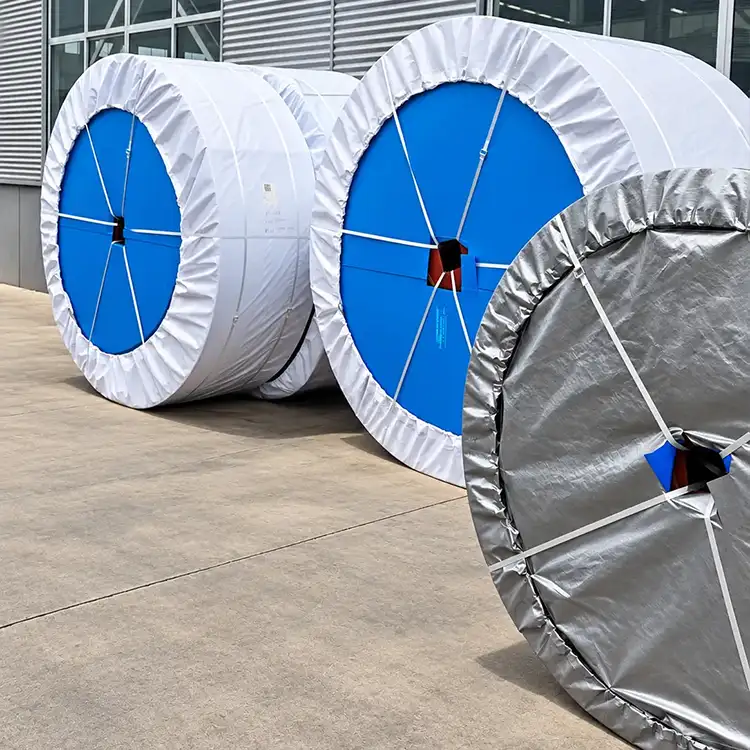
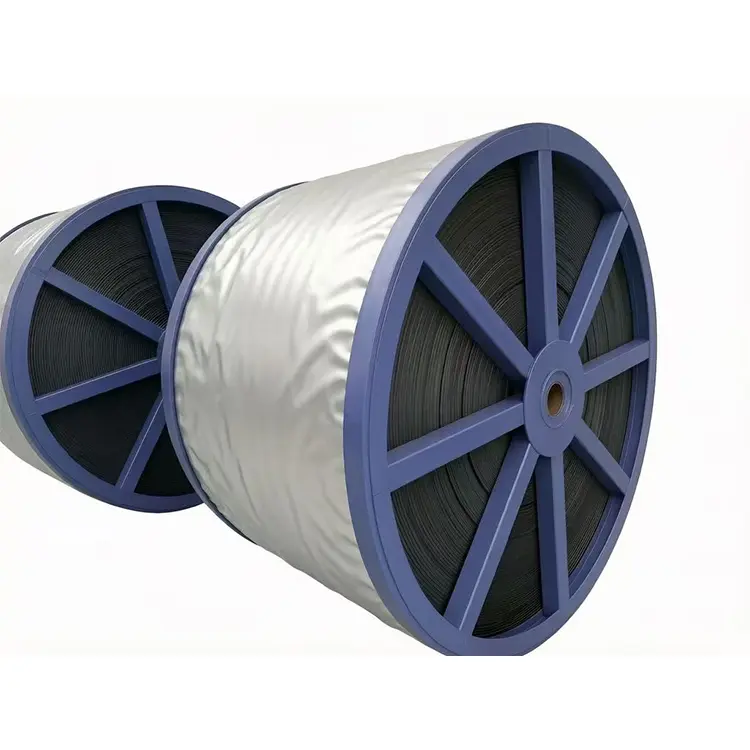
Standard packaging. Belt rolls are sealed in protective plastic film and wrapped in heavy-duty woven textile to protect against moisture, UV and dust in transit.
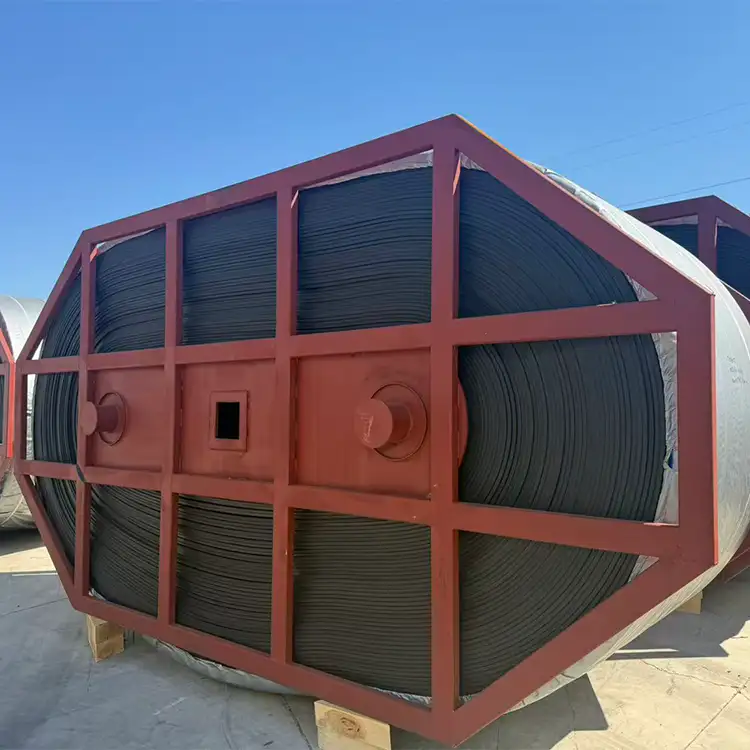
Custom packaging. Steel cassettes, octagonal frames and specialised lifting reels are available where the site needs simpler unloading and direct reel installation.
Identification. Every roll carries clear weather-resistant exterior markings showing belt specification, roll length, batch number and production date.
A1: Our standard grade operates down to -45 °C. For extreme arctic environments, we engineer custom compounds rated to -50 °C and -60 °C.
A2: Yes. Our engineering team provides system load and tension calculations to determine the belt strength rating, carcass construction and cover thickness needed for your conveyor profile.
A3: Belts are manufactured to comply with DIN 22102, GOST 20-2018 and GB/T 20021. Mill test certificates, SGS and ITP inspection reports are supplied per project specification.
|
Feature |
Cold-Resistant EP Fabric Belt |
Cold-Resistant Steel Cord Belt |
|
Carcass Construction |
Multi-ply polyester/polyamide fabric layers bonded with cold-resistant rubber |
Parallel steel cords embedded in cold-resistant rubber |
|
Tensile Strength and Elongation |
Medium tensile rating; moderate elasticity and troughability |
Ultra-high tensile rating (ST series); minimal operating stretch |
|
Primary Application |
Short to medium distance conveyors, in-plant transfer lines, light to medium bulk handling |
Long-distance overland conveyors, high-lift incline shafts, heavy-duty primary ore transport |
|
Investment Level |
Economical capital outlay for standard conveyor lengths |
Higher initial capital investment suited to high-capacity long-haul systems |
For a new overland line, the choice usually comes down to tension: if the calculated rating pushes a fabric carcass beyond a practical ply count, move to steel cord. Details of both ranges are on the EP conveyor belts and steel cord conveyor belts pages.
Send the lowest seasonal ambient temperature, whether the duty is surface or underground, material and lump size, capacity, conveyor length and lift, belt width, and the standard the project follows. A belt marking or drawing from the existing line shortens the review. Where FRAS is required, say so at enquiry stage — it changes the compound, not just the label.
Address
Nancun Industrial district, Qingdao, Shandong, China
Tel