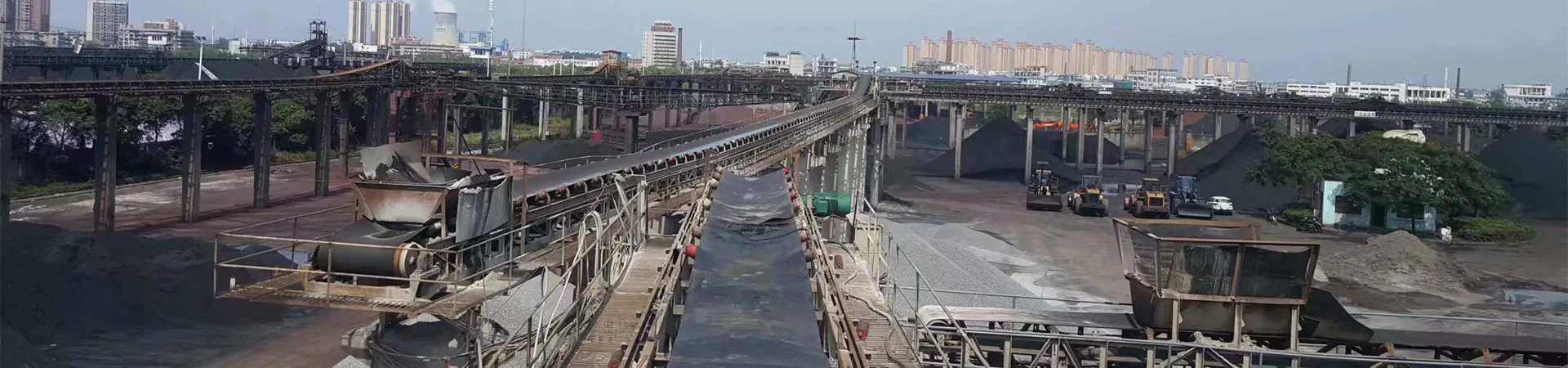
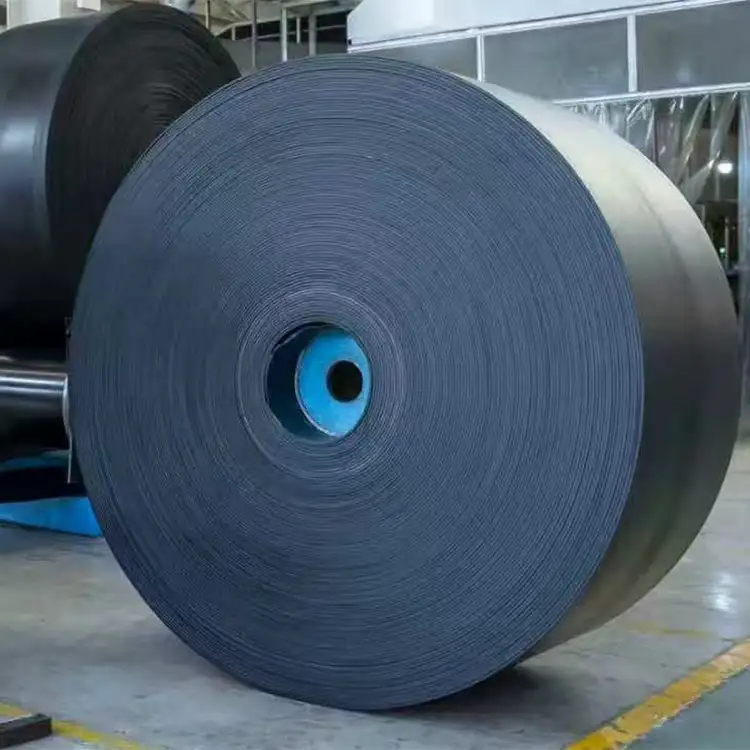
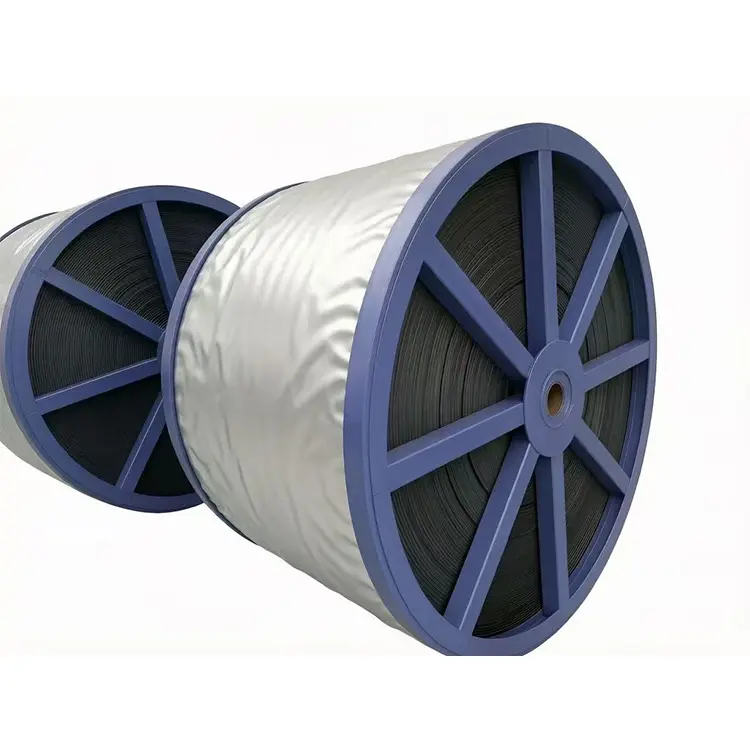
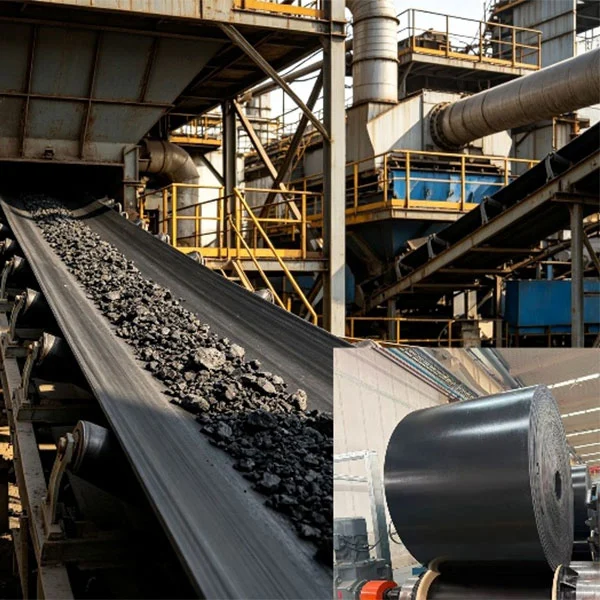
The demand for specialized conveyor belting has surged as industries confront increasingly harsh environments including high temperatures, oil contamination, chemical exposure, and abrasive sharp-edged materials. Manufacturers have responded with tailored compound formulations and reinforcement structures that address specific operational challenges beyond the capabilities of standard belts.
Recent installations in steel mills demonstrate the effectiveness of heat-resistant special belts rated for continuous service at 180 degrees Celsius and peak loads of 220 degrees. These belts utilize ethylene-propylene-diene monomer rubber compounds that maintain elasticity and tensile integrity even after prolonged exposure to red-hot sinter and coke materials. Plant data from a Chinese facility showed belt service life extended from 11 months to 27 months after switching to the specialized design.
In the recycling and waste treatment sector, oil-resistant and flame-retardant special belts have become mandatory equipment. A newly developed cover compound resists swelling and degradation when in contact with hydrocarbon-based wastes, while internal breaker layers prevent puncture from metal fragments and glass shards. One European recycling center reported a 62 percent reduction in unplanned belt replacements over an 18-month evaluation period.
The chemical industry has benefited from acid-alkali resistant belts featuring chlorinated polyethylene covers. These belts operate safely in pH ranges from 2 to 12 without surface blistering or fabric wicking. Installations at phosphate fertilizer plants have operated continuously for over 8,000 hours with negligible cover mass loss.
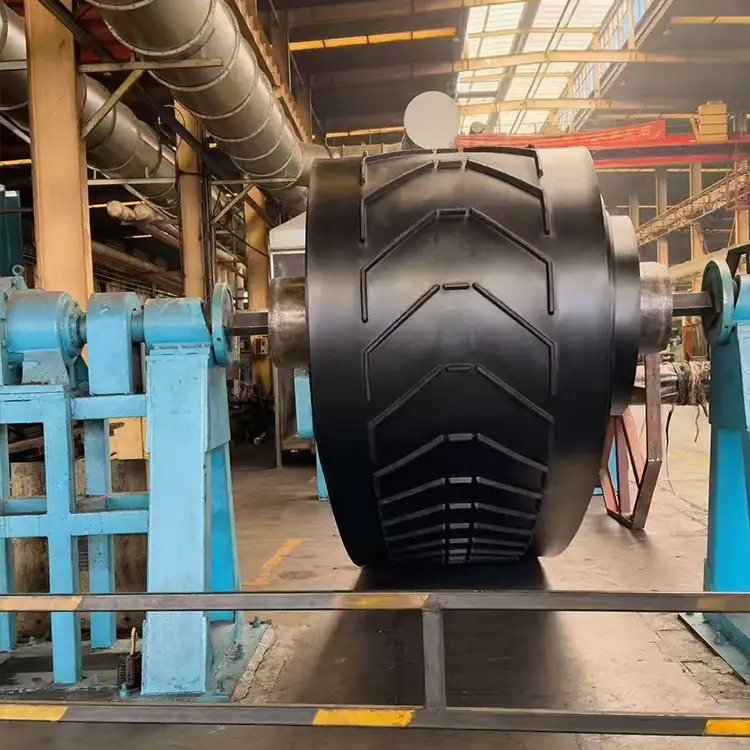
Special belts also include chevron and sidewall designs for steep-angle conveying up to 45 degrees, allowing shorter horizontal distances and smaller plant footprints. This configuration has proven valuable in confined urban construction sites where space constraints are severe. Manufacturers now offer modular special-belt systems with interchangeable components, enabling rapid onsite modifications without complete belt replacement.
Industry observers note that the trend toward specialized belting reflects a broader shift from generic inventory management to performance-based procurement. End users increasingly specify belt properties based on measured material characteristics and environmental parameters, rather than accepting standard off-the-shelf products. This precision approach reduces total cost of ownership despite higher initial unit costs.
We use cookies to offer you a better browsing experience, analyze site traffic and personalize content. By using this site, you agree to our use of cookies. Privacy Policy