Email
WhatsApp

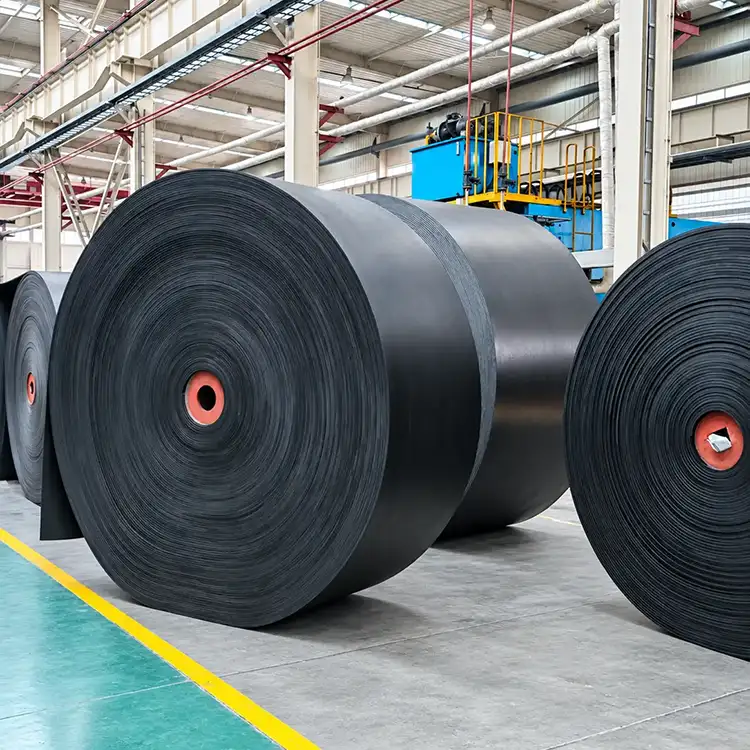
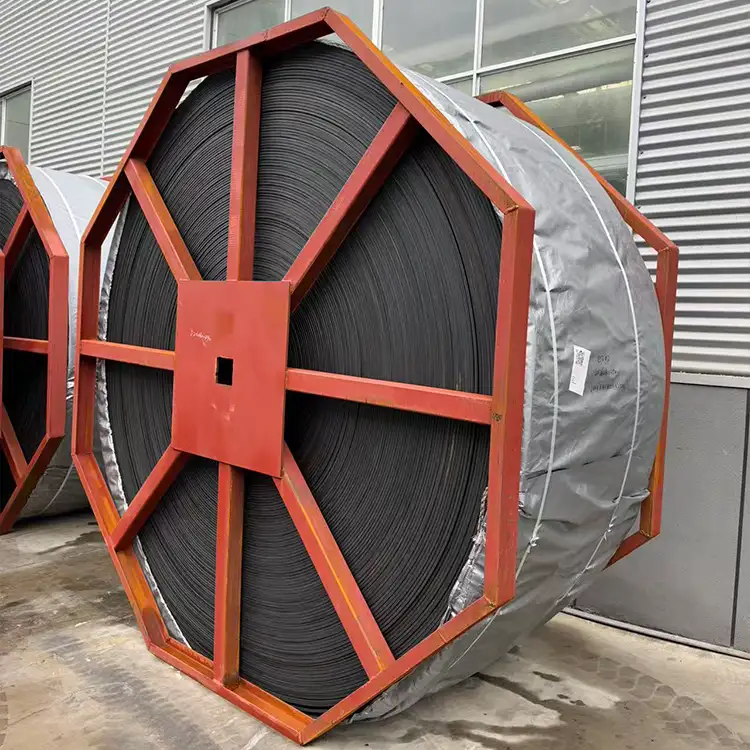
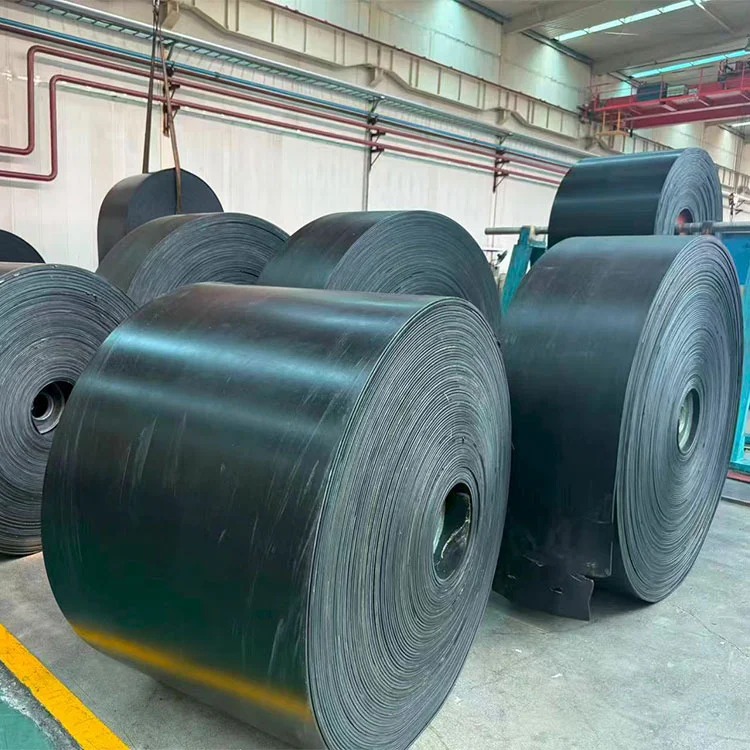
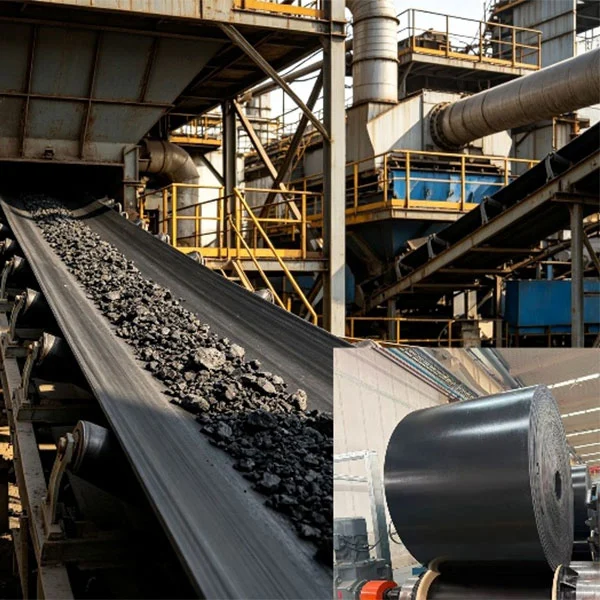
Flame Resistant Conveyor Belt is designed with specially formulated flame-retardant rubber compounds to reduce the risk of flame propagation along the belt surface. Compared with standard conveyor belts, this type of belt provides improved resistance against ignition, burning and flame spread during abnormal operating conditions.
A conveyor belt does more than transport materials. In high-risk environments, the belt itself must also help control potential hazards.
When a fire occurs near the conveyor system, ordinary rubber materials may continue burning and allow flames to travel along the belt. Fire-resistant belts use specially developed rubber compounds that slow down flame spread and improve the safety performance of the entire conveying system.
The belt structure combines flame-resistant cover rubber with suitable reinforcement layers to maintain mechanical strength while improving resistance against fire-related damage.
The protective performance mainly comes from the rubber compound used on the belt cover.
Special additives are incorporated into the rubber formulation to reduce flammability and improve self-extinguishing characteristics. When exposed to flame, the cover material helps limit continuous burning and reduces the possibility of fire traveling along the conveyor route.
The reinforcement carcass provides the necessary tensile strength and supports stable operation under normal working conditions. Depending on the application, EP, NN or EE fabric structures can be selected according to required strength and flexibility.
| KQuality | sQuality | VQuality | |
| Tensile Strength | ≥20 N/mm² | ≥20 N/mm² | ≥17 N/mm² |
| Abrasion | ≤150 mm³ | ≤150mm | ≤200 mm³ |
| Elongation at break | ≥450% | ≥450% | ≥350% |
Fire-resistant conveyor belts are commonly used in environments where combustible materials or enclosed conveying spaces create additional safety requirements.
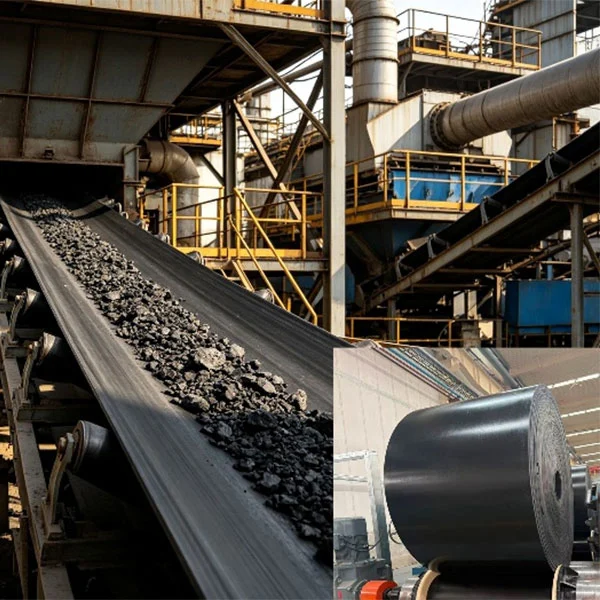
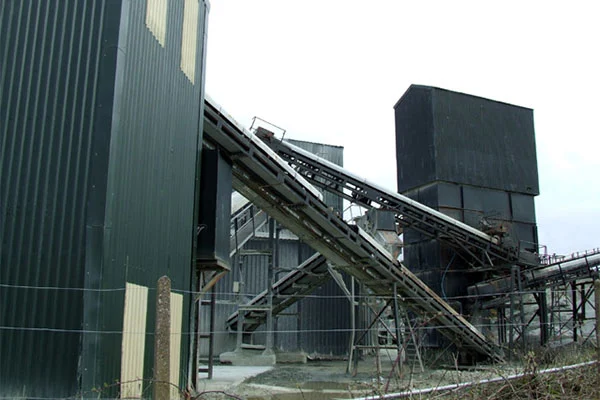
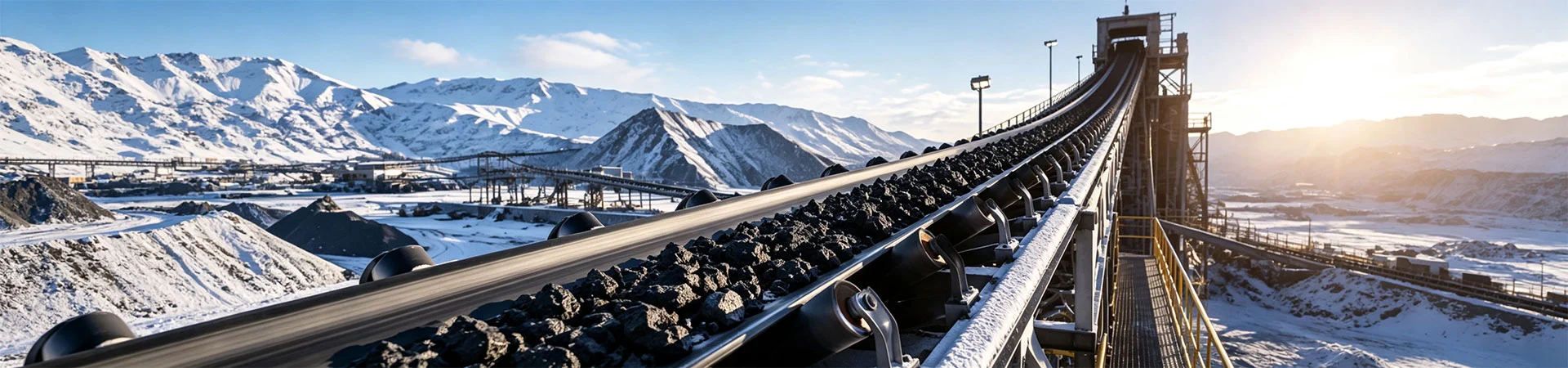
In underground mining operations, conveyor systems may transport coal through confined areas where fire prevention is essential.
In power plants, the belts are used for coal transportation and fuel handling systems.
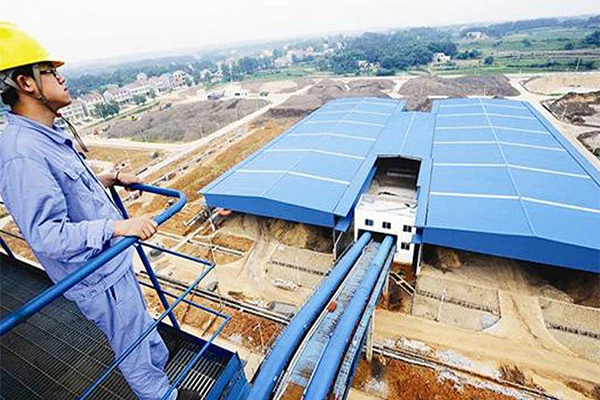
In steel plants, ports and bulk terminals, they provide additional protection when handling combustible materials and industrial bulk products.
The specially formulated cover rubber helps limit the spread of fire along the belt surface, improving conveyor safety in emergency situations.
Fire resistance does not replace mechanical requirements. The belt still needs sufficient tensile strength, abrasion resistance and flexibility for continuous industrial operation.
Qingdao Global combines flame-resistant rubber compounds with suitable carcass structures to balance safety and conveying performance.
Mining, power generation and bulk handling environments often involve dust, impact and continuous operation.
The belt can be customized with different cover properties to meet additional requirements such as abrasion resistance, oil resistance and impact resistance.
Different applications require different carcass structures.
Uses polyester in the longitudinal direction and nylon in the transverse direction, providing good dimensional stability and general industrial performance.
Uses nylon fabric reinforcement with excellent flexibility and impact absorption, suitable for applications with heavy loading and frequent impact.
Uses polyester fabric in both directions, providing stable tensile performance for specific conveying requirements.
The final carcass selection depends on conveyor length, load capacity, impact conditions and operating environment.
Fire-resistant belts are widely used for coal transportation and underground conveying systems where flame safety is an important consideration.
They are used in coal-fired power plants for fuel conveying systems, helping improve operational safety around combustible materials.
Steel plants use fire-resistant belts for transporting coal, coke and other industrial materials.
They are suitable for bulk material handling systems where safety requirements are important during storage and transportation.
Although both products are designed for demanding environments, their purposes are different.
| Comparison | Flame Resistant Conveyor Belt | Heat Resistant Conveyor Belt |
|---|---|---|
| Main Purpose | Reduce fire spread and improve safety | Handle continuously hot materials |
| Main Risk | Flame, ignition, combustion | Thermal aging and rubber damage |
| Typical Materials | Coal, combustible materials | Clinker, sinter, hot industrial materials |
| Temperature Focus | Fire protection performance | Continuous heat exposure |
For applications involving open flame risk or combustible materials, fire-resistant belts are the preferred choice. For transporting continuously hot materials, heat-resistant belts are more suitable.
Qingdao Global Belting Group Co., Ltd. has been manufacturing industrial conveyor belts since 2008, supplying solutions for mining, cement, metallurgy, ports, power generation and recycling industries.
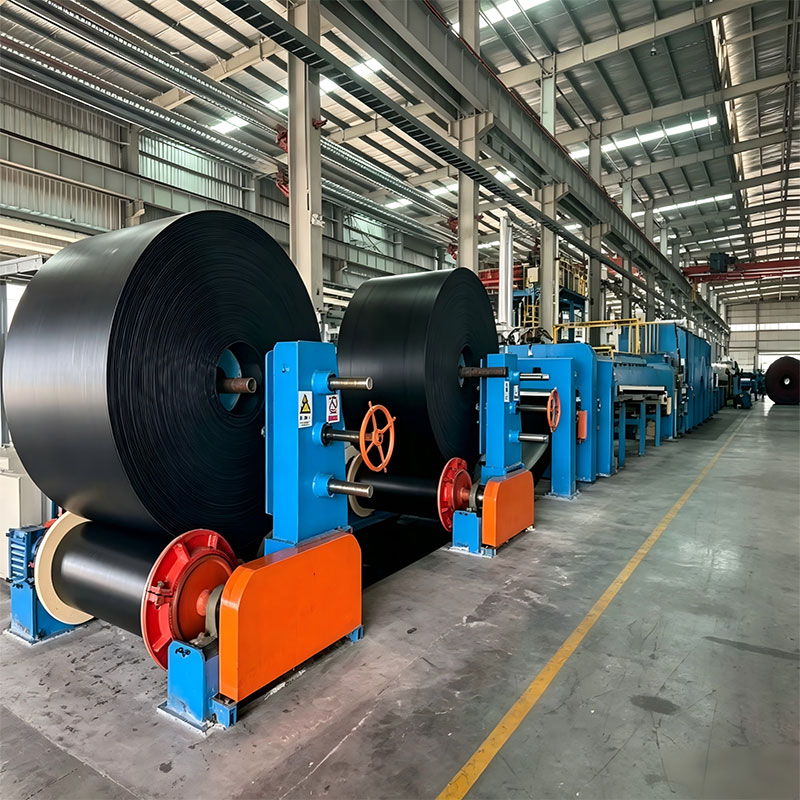
The company operates manufacturing facilities covering 660,000 square meters, including 24 workshops and more than 100 production lines. Annual production capacity reaches 21 million square meters.
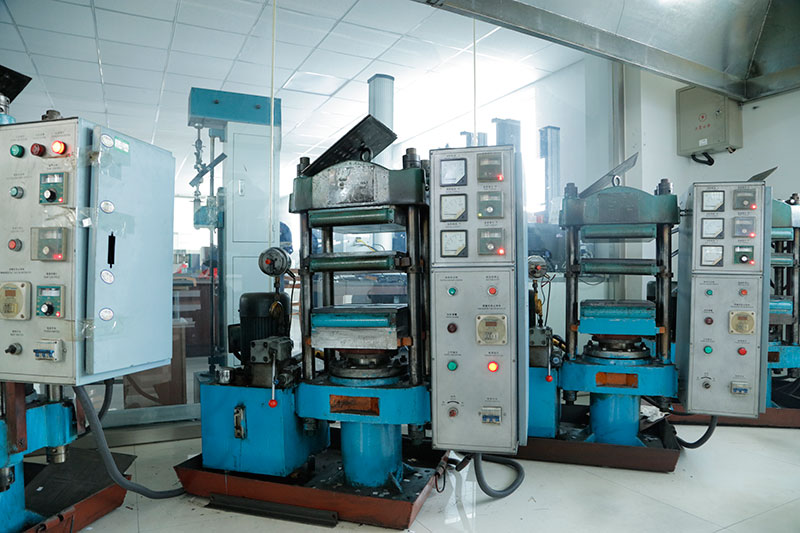
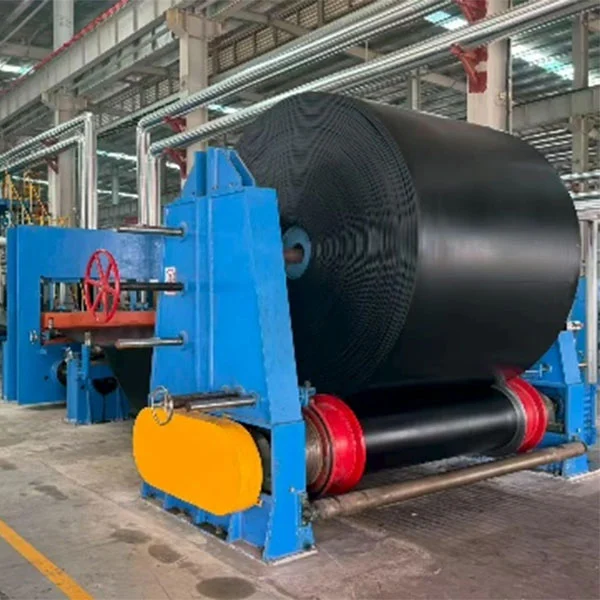
Production processes include rubber mixing, fabric preparation, calendering, belt forming, vulcanization and finished belt inspection.
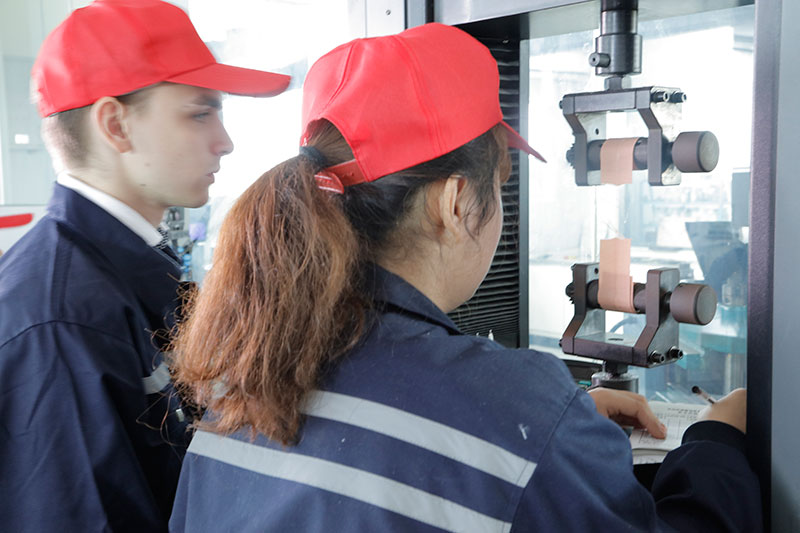
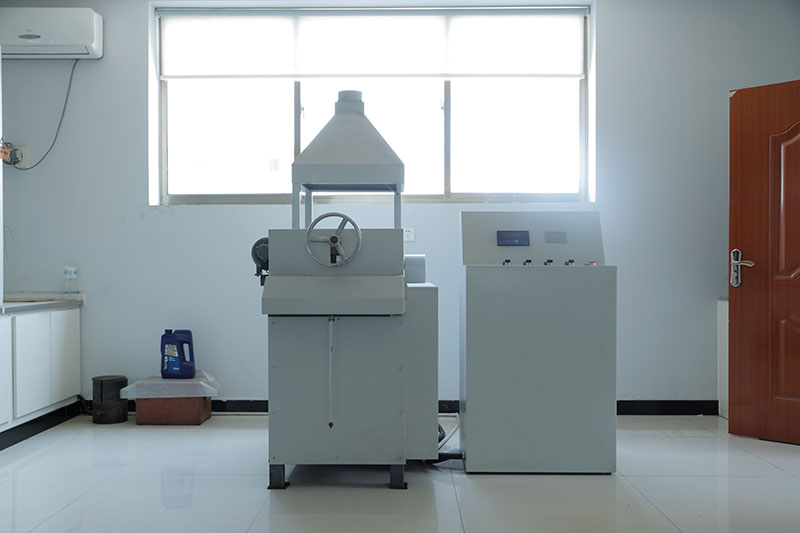
The in-house laboratory performs testing for tensile strength, abrasion resistance, adhesion, aging performance and fire-related properties.
Qingdao Global operates according to ISO 9001, ISO 14001 and ISO 45001 management systems, with products exported to more than 50 countries and regions.
Different industries have different safety requirements. A belt used in an underground coal mine may require different specifications from one used in an open-air power plant.
Qingdao Global provides customized solutions including:
By matching belt construction with actual operating conditions, customers can achieve both safety performance and reliable conveying efficiency.