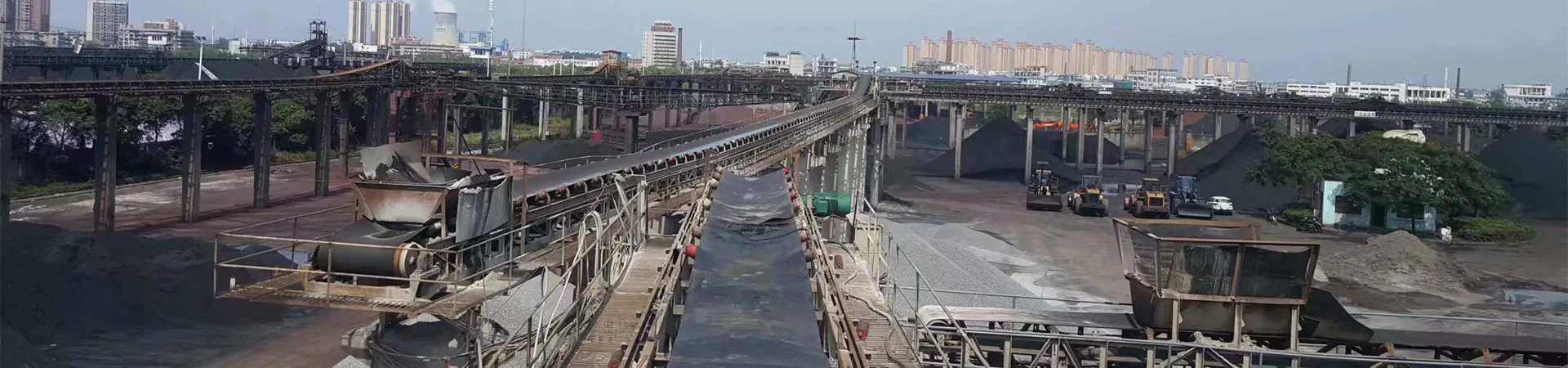
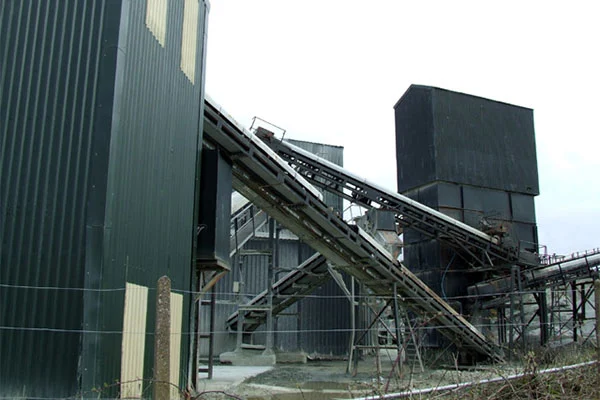
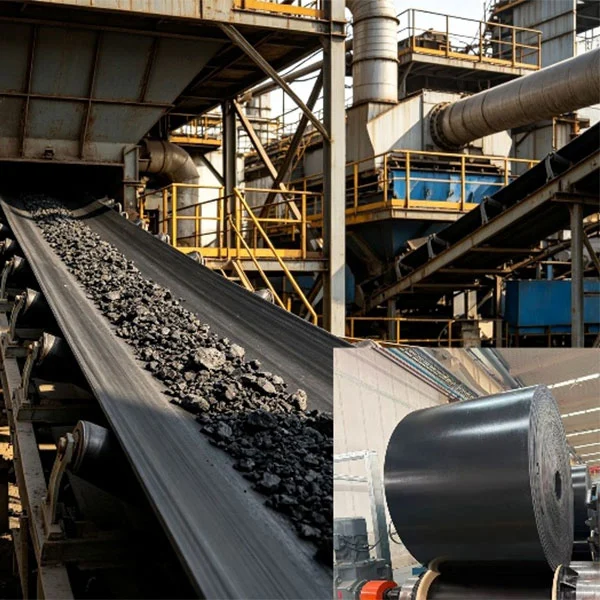
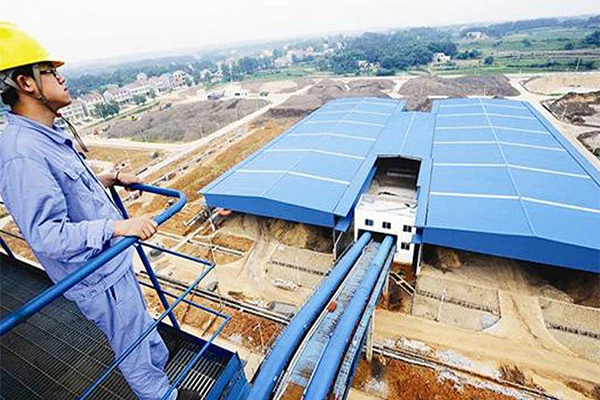
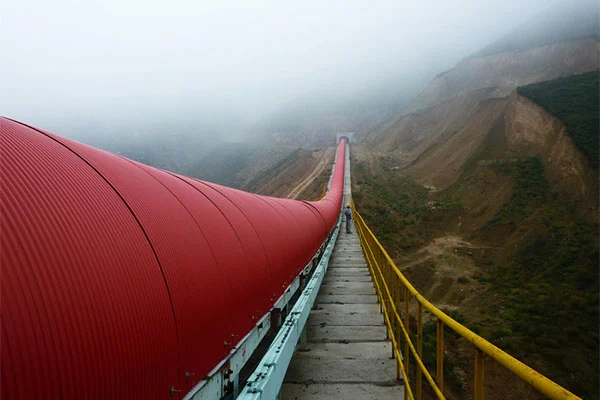
Cement production is one of the harshest operating environments for conveyor belting. From the moment raw materials enter the plant to the final clinker output, conveyor belts are subjected to punishing conditions: extreme heat, sharp-edged materials, heavy impact loads, and continuous operation around the clock.
For plant managers and maintenance engineers, premature belt failure is more than an inconvenience – it translates directly into costly downtime, lost production, and safety risks.
The Problem with Standard Belts in High-Heat Applications
Conventional rubber conveyor belts typically degrade rapidly when exposed to elevated temperatures. At clinker temperatures ranging from 150°C to 200°C, standard SBR or NR rubber compounds begin to harden, crack, and lose adhesion between plies. The result? Cover separation, splice failures, and emergency replacements that can shut down a production line for hours.
The Solution: Heat-Resistant EP Belts with EPDM Compounds
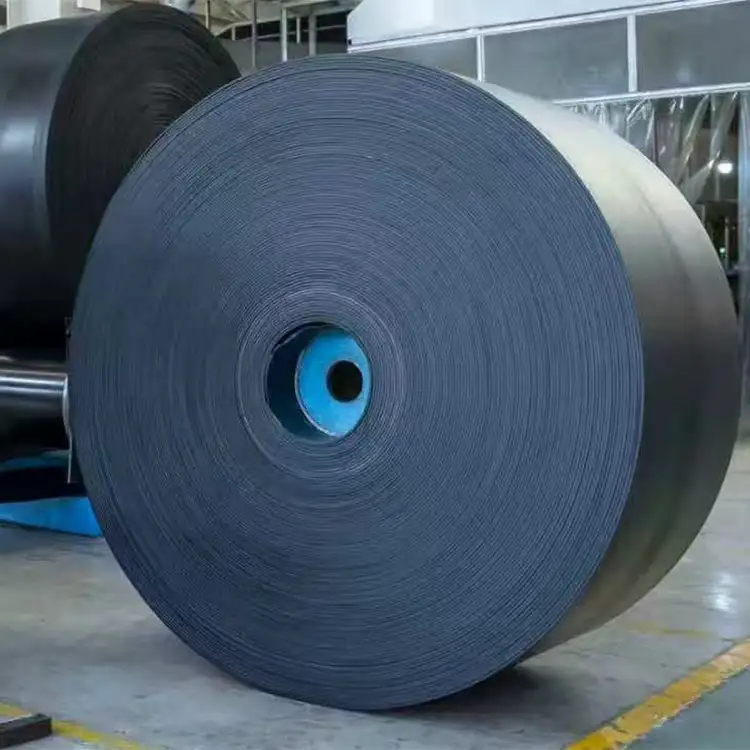
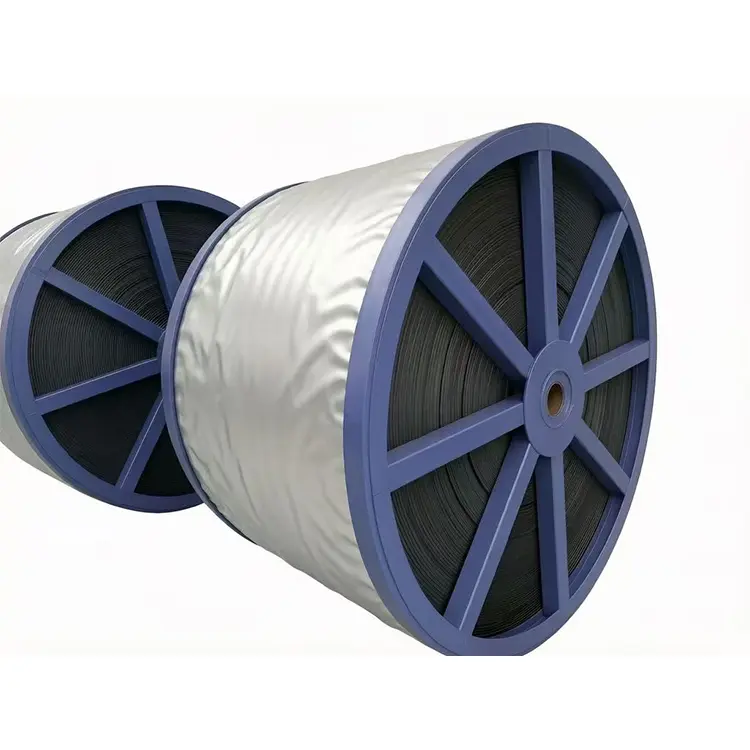
Heat-resistant EP (polyester/nylon) conveyor belts are specifically engineered to withstand the thermal challenges of cement production. Unlike standard belts, they incorporate:
EPDM (ethylene propylene diene monomer) or IIR (butyl rubber) cover compounds that maintain flexibility and adhesion at continuous operating temperatures up to 200°C.
Heat-resistant skim coats between plies that prevent delamination and cover separation.
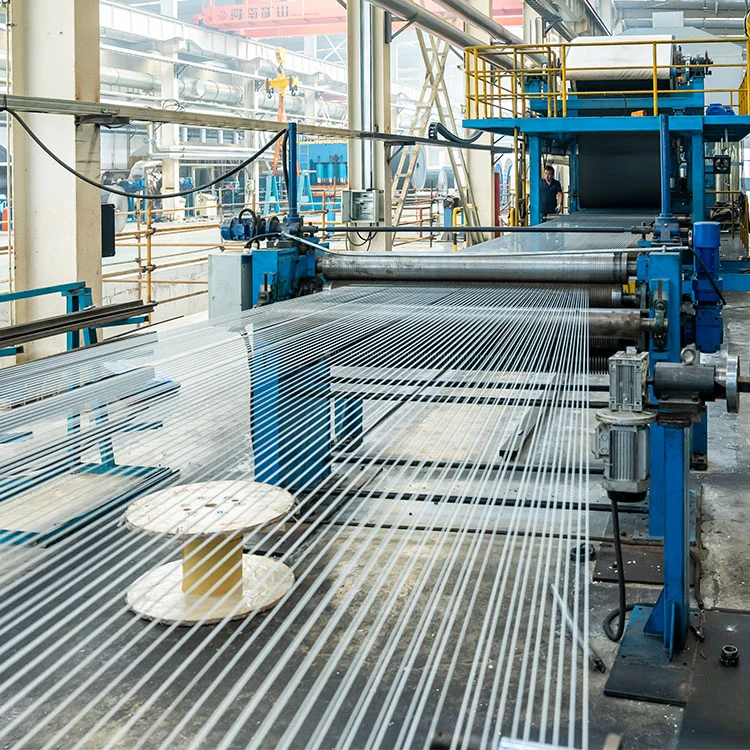
Low-elongation EP fabric carcasses that retain dimensional stability under thermal cycling.
Case in Point: Middle East Clinker Plants
In recent projects across Saudi Arabia and the UAE, cement manufacturers have reported that heat-resistant EP belts with specialized EPDM compounds are delivering 3 to 5 years of service life in clinker conveying applications – compared to 12 to 18 months for standard belts.
One plant operator noted that the extended belt life alone reduced annual maintenance costs by over 30%, while the elimination of unplanned belt replacements improved overall equipment effectiveness (OEE) by nearly 8%.
Not Just About Heat
Modern heat-resistant EP belts for the cement industry go beyond thermal performance. Leading manufacturers now offer belts that also address:
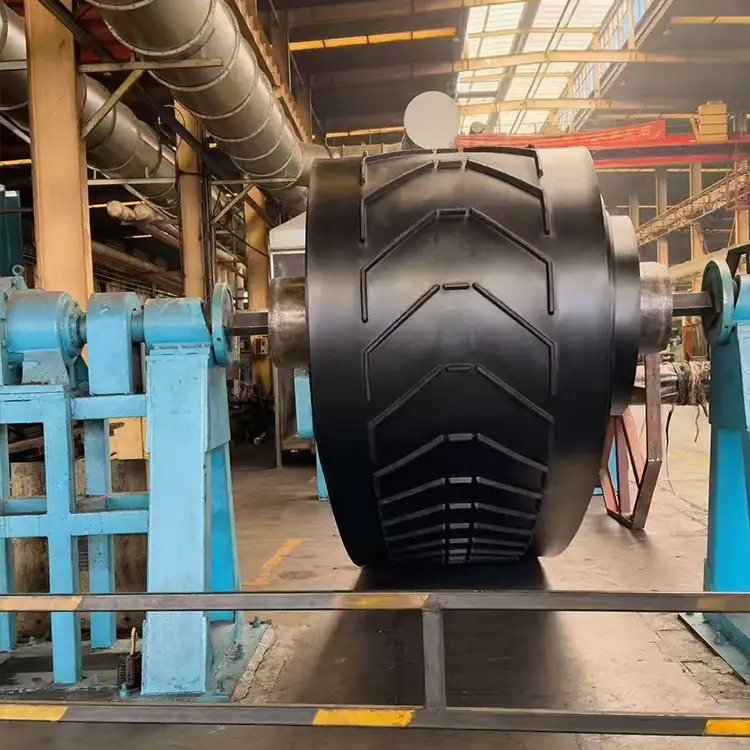
Abrasion resistance – critical for handling sharp clinker particles that can gouge standard covers. DIN abrasion values as low as 90 mm³ are now achievable.
Oil and chemical resistance – protecting belts from lubricants and processing additives common in cement plants.
Anti-static and flame-retardant options – for enhanced safety in coal grinding and firing areas.
Not all heat-resistant belts are created equal. The key to maximum service life is matching the belt grade to the actual material temperature:
Temperature Range
Recommended Grade
100°C – 125°C
Standard HR (T1)
125°C – 150°C
Premium HR (T2)
150°C – 180°C
EPDM-based HR (T3)
180°C – 200°C
High-performance EPDM/IIR (T4)
A Strategic Investment, Not a Cost
For cement plant operators, upgrading to advanced heat-resistant EP belts is increasingly viewed as a strategic investment rather than a routine expense. The combination of longer belt life, fewer stoppages, and lower maintenance costs delivers a compelling return on investment – typically recouped within the first 12 to 18 months of operation.
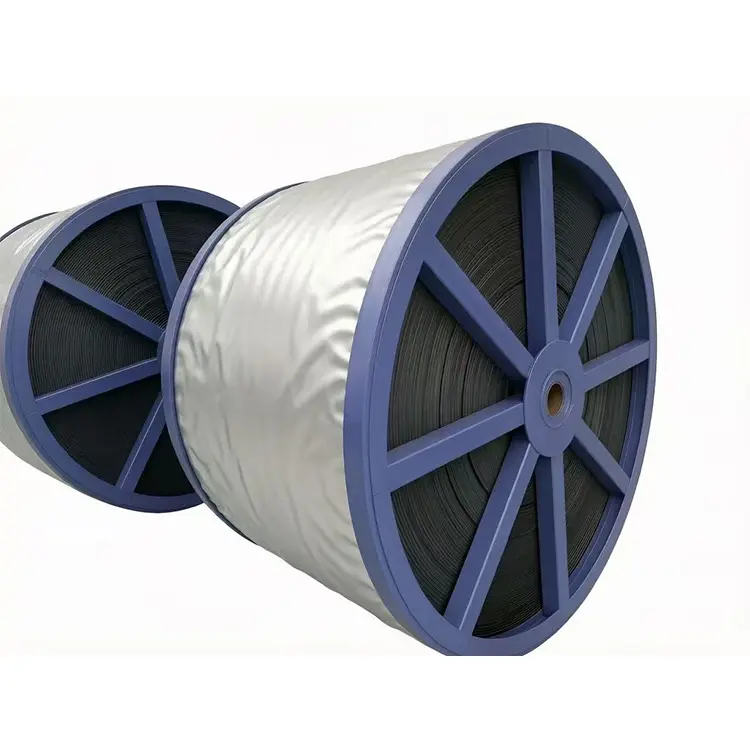
Qingdao Global Belting Group Co., Ltd. offers a full range of heat-resistant EP conveyor belts engineered specifically for cement, steel, and power generation applications. With 36 in-house R&D engineers, ISO 9001 certification, and MA Coal Safety approval, the company provides tailored heat-resistance solutions backed by rigorous DIN-standard laboratory testing. Standard lead time: 25–30 days.
We use cookies to offer you a better browsing experience, analyze site traffic and personalize content. By using this site, you agree to our use of cookies. Privacy Policy