Email
WhatsApp

Cover rubber: Select a chemical resistant compound for the identified acidic or alkaline exposure, together with the abrasion and impact requirements of the conveyed solids.
Chemical compatibility: Provide material composition, relevant safety data, moisture content and any liquid phase concentration. Identify cleaning chemicals and intermittent contamination as well as normal operating exposure.
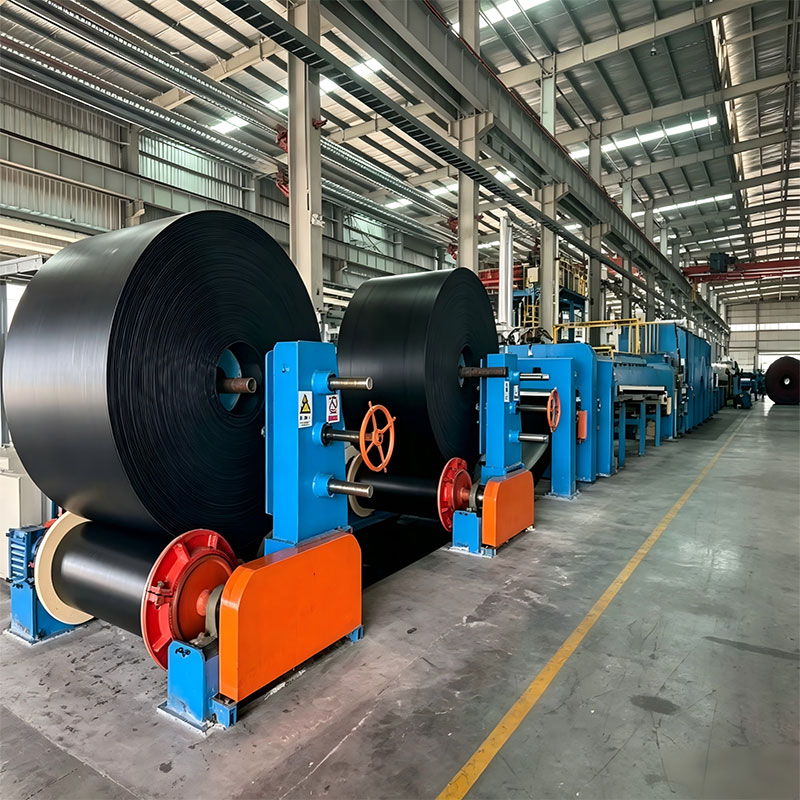
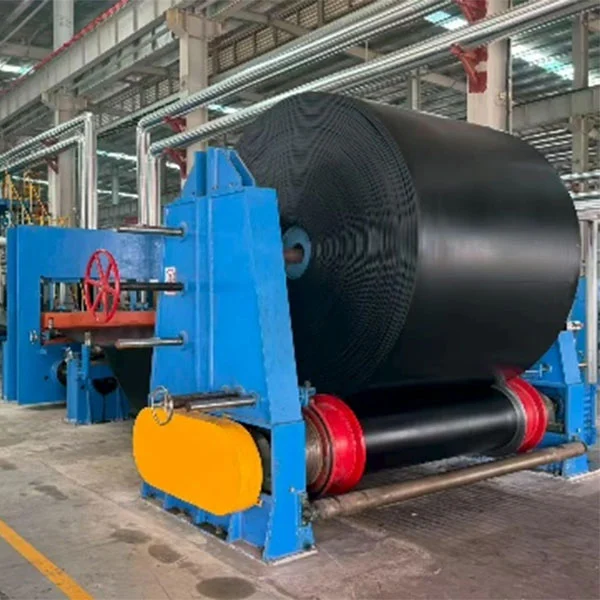
Carcass construction: Select reinforcement, strength and ply arrangement for conveyor tension, throughput and pulley geometry. Check covers, edges and splice materials as a complete chemically exposed system.
Operating limits: Confirm chemical and temperature limits for each duty. Acid and alkali resistance does not automatically provide heat, oil or flame resistance, and this belt is not a substitute for equipment designed to contain liquid chemicals.
| Item | Specification |
| Product Name | Acid and Alkali Resistant Conveyor Belt for Fertilizer Plants |
| Cover Compound | Selected for the specified acid or alkali exposure |
| Carcass | Reinforcement and strength matched to conveyor design |
| Belt Width | Matched to throughput, particle size and conveyor layout |
| Chemical Resistance | Medium, concentration, temperature and exposure time confirmed for each duty |
| Operating Temperature | Confirmed for the selected compound and chemical contact conditions |
| Cover Thickness | Selected for chemical exposure, abrasion and impact |
| Item | Description |
| Chemical Resistant Covers | Suitable compounds help limit deterioration under the agreed acid or alkali exposure conditions. |
| Combined Chemical and Wear Assessment | Select covers for both chemical contact and the abrasive action of fertilizer solids. |
| Matched Reinforcement | Match belt strength and carcass to loading, tension, pulleys and conveyor geometry. |
| Compatible Splice System | Review splice rubber and bonding materials against the same chemical conditions as the covers. |
| Measurable Acceptance Criteria | Define chemical-exposure tests and relevant property changes in the supply specification. |
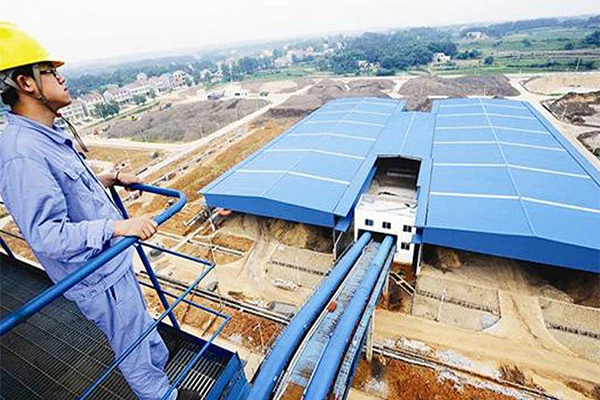
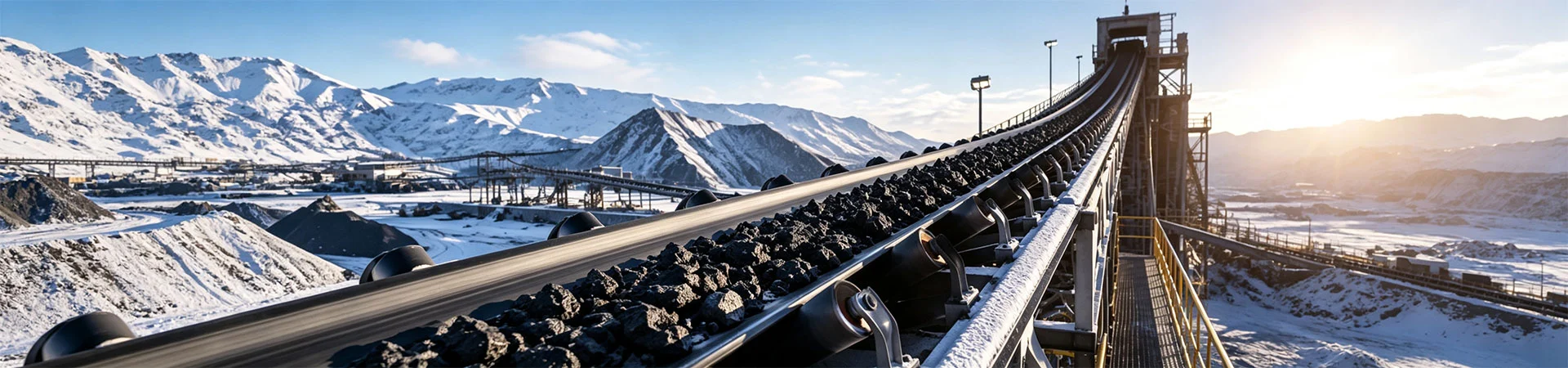
Raw material transfer: Convey compatible solid fertilizer ingredients between receiving, storage and batching equipment where the identified chemical exposure justifies a resistant cover.
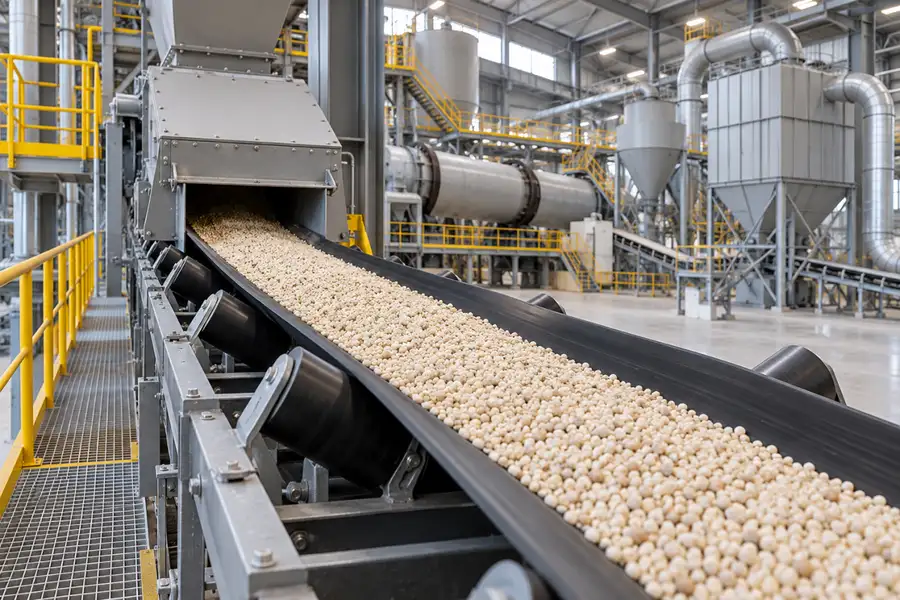
Cooled fertilizer granule conveying: Transfer cooled granules after processing, with compound selection based on product chemistry, residual moisture, abrasion and actual temperature.
Screening and recycle streams: Return compatible fines or oversize material to the appropriate processing stage, assessing repeated contact and build-up at transfer points.
Finished product handling: Convey compatible bulk fertilizer to storage, blending or bagging feed points, with cleaning and cross-contamination controls matched to the product.
Engineering Capability: Support for fertilizer conveyor selection, including assessment of chemical exposure, mechanical load, tension calculations and compatible splicing requirements. Confirm project-specific services before ordering.
Product Compliance: Define applicable DIN, ISO or GB/T requirements and agreed chemical-exposure tests in the technical specification. Document the test medium, concentration, temperature, duration and acceptance criteria for the proposed compound.
Technical Service: Pre-sales material compatibility review, installation and splicing consultation, and follow-up on cover condition, edge damage, build-up and cleaning practices after commissioning.
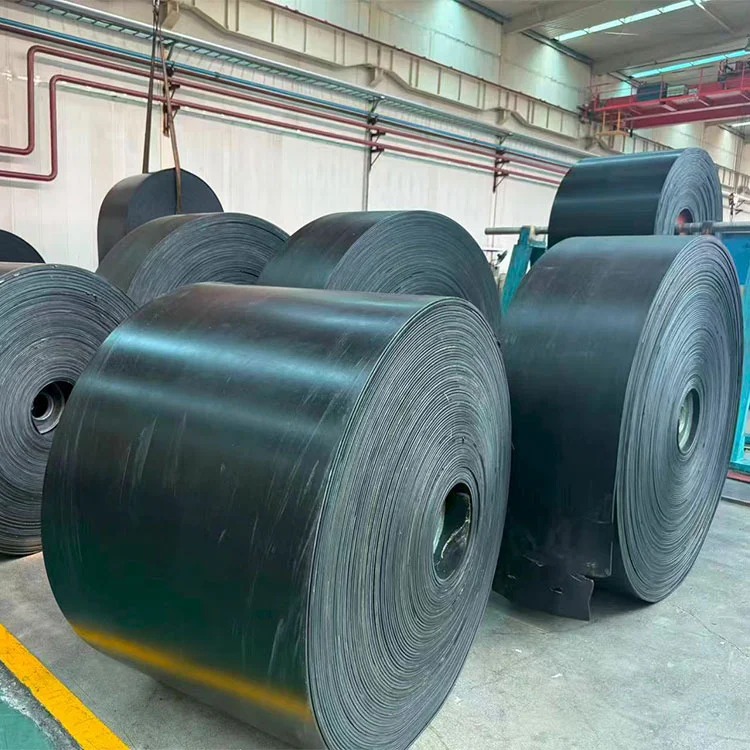
Production and Inspection: Specify chemical resistant covers, carcass and dimensions for the duty. Agree dimensional, appearance, mechanical, adhesion and chemical-exposure checks with batch traceability.
Exposure-specific selection: Match the cover to the actual fertilizer chemistry and associated moisture rather than using a single resistance claim for every process.
Complete belt compatibility: Review cover, edges and splice materials together to address exposed areas across the installed belt system.
Practical procurement data: Define roll dimensions, lifting restrictions, inspection documents and the chemical compatibility basis before finalizing the order.
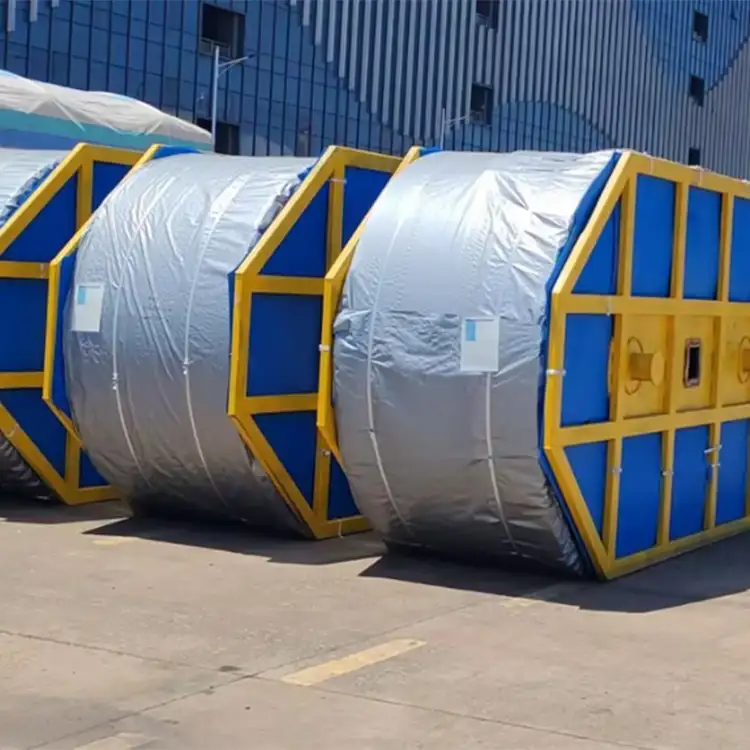
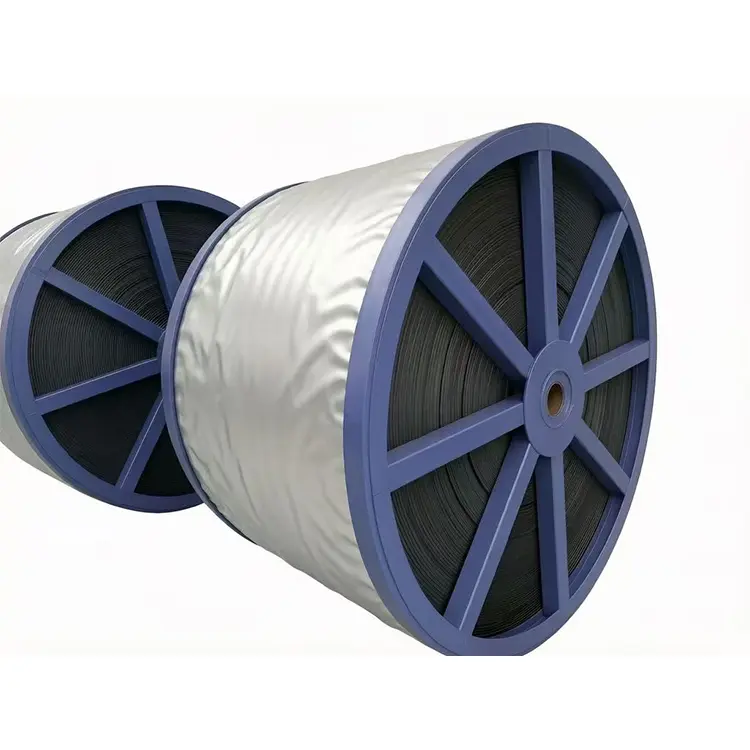
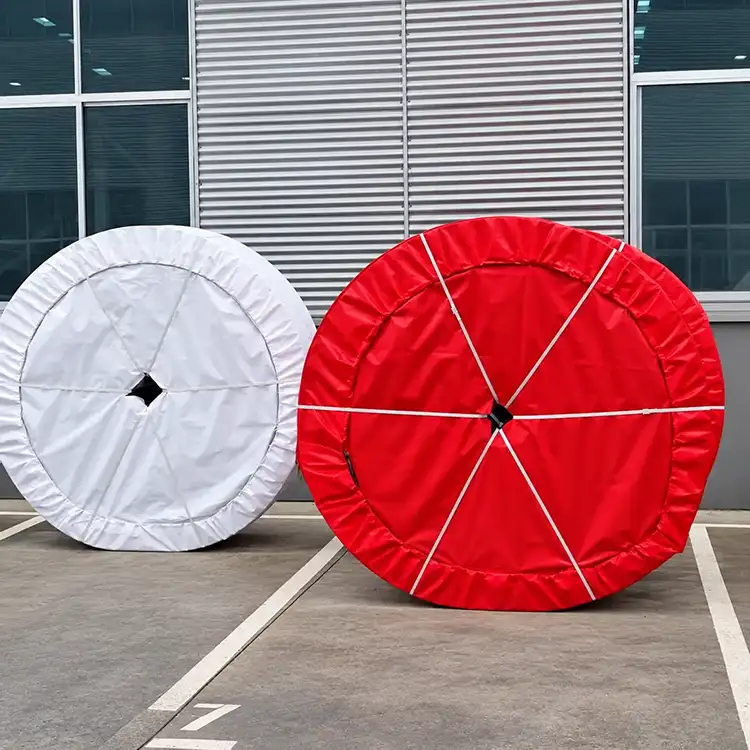
Roll protection: Use suitable protective wrapping and keep rolls dry and supported. Store away from chemical splashes, incompatible substances and contamination; follow the selected product storage requirements.
Handling arrangement: Agree the reel or support structure, lifting method and allowable roll dimensions to suit shipment and site access.
Identification: Require roll labels showing the order reference, belt specification, roll length and traceable batch or roll number.
Transport securing: Specify suitable blocking and securing to prevent roll movement and damage during transport.
A1: Typical applications include compatible raw material transfer, cooled fertilizer granule conveying, screening recycle streams and finished product handling. Suitability must be confirmed for the actual material composition, moisture, temperature and chemical exposure.
A2: Provide the chemical substances, concentrations, operating temperature and contact duration. The cover and splice materials should be matched to these conditions; no single compound is suitable for every acid or alkali.
A3: Yes. Protective wrapping, reel or support-frame arrangements and shipping marks can be customized to suit roll dimensions, transport and site handling requirements. Confirm the packaging details and any additional costs in the quotation.
Address
Nancun Industrial district, Qingdao, Shandong, China
Tel