Email
WhatsApp

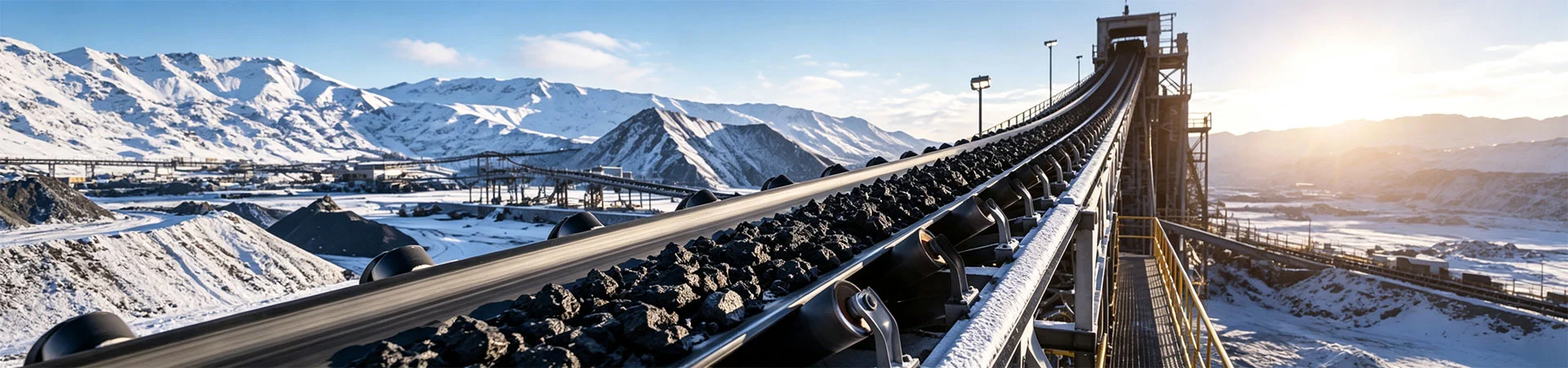
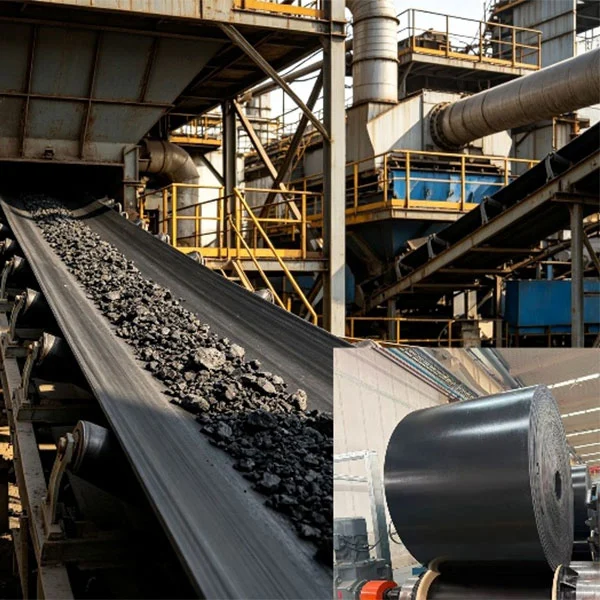
In grain and feed processing, oils and fats in raw materials can affect the condition of conventional rubber conveyor covers. Prolonged exposure may cause swelling, softening or deterioration, depending on the type of oil and operating conditions.
The Oil Resistant Conveyor Belt for Grain and Feed Processing uses specially selected rubber cover compounds to reduce oil-related deterioration under specified service conditions. It is suitable for evaluating applications involving oil-bearing seeds, processed oilseed meals and feed ingredients containing fats or oils.
The appropriate belt construction depends on the conveyed material, oil exposure, loading conditions, conveyor tension and equipment layout. Cover grade, carcass strength and cover thickness should therefore be determined together rather than selected independently.
The rubber cover is the primary contact layer between the belt and conveyed material. Its compound should be selected according to the chemical characteristics of the oils or fats, their concentration, operating temperature and duration of contact.
A suitable compound helps limit excessive swelling and changes in rubber properties caused by oil exposure. Actual compatibility depends on the specific material and service conditions.
Two oil-resistance options are available for consideration:
MOR and OR are grade designations, not universal guarantees of chemical compatibility. The actual oil type, concentration, temperature and contact duration must be reviewed before selecting the rubber compound. Applicable test criteria should also be agreed when specific resistance limits are required.
The carcass provides the tensile strength and structural support needed for conveying operations. Fabric reinforcement and ply construction should be selected according to belt tension, conveying distance, material loading, starting conditions and pulley diameter.
For equipment requiring additional transverse stiffness, cross-rigid XE fabric construction can also be assessed. Its suitability depends on the conveyor design and operating requirements.
Cover thickness should account for material characteristics, loading impact, abrasion and expected oil exposure. The required top and bottom cover thicknesses should be specified separately where necessary.
Surface configuration should also be considered according to material flow, conveyor inclination, cleaning arrangements and the possibility of material build-up.
The following parameters form the basis of product selection. Final specifications should be confirmed against the conveyor design and actual operating conditions before production.
| Specification | Selection Requirements |
| Product Name | Oil Resistant Conveyor Belt for Grain and Feed Processing |
| Cover Grade | MOR or OR, selected according to actual oil exposure |
| Cover Compound | Oil-resistant rubber compound matched to the conveyed material and operating environment |
| Carcass Material | Fabric reinforcement; construction to be confirmed |
| Carcass Construction | Multi-ply fabric or cross-rigid XE option, subject to equipment requirements |
| Belt Width | To be specified according to conveyor design |
| Belt Strength | To be selected according to operating tension and loading conditions |
| Top Cover Thickness | To be confirmed according to wear and exposure requirements |
| Bottom Cover Thickness | To be confirmed according to pulley contact and operating conditions |
| Operating Temperature | To be confirmed for the selected compound and actual service conditions |
| Food or Feed Contact | Separate material suitability and documentation requirements must be specified |
Specification note: Exact dimensions, strength ratings, cover thicknesses and applicable performance criteria should be confirmed in the technical quotation or product specification. They should not be assumed from the MOR or OR grade designation alone.
Oil-resistant cover compounds are selected to help control swelling and deterioration when the belt comes into contact with compatible oils or fats. Correct compound selection helps reduce the risk of premature cover damage associated with unsuitable rubber materials.
Fabric reinforcement, belt strength and ply configuration should correspond to the conveyor's operating tension, material loading and transfer conditions. This helps ensure that the belt construction is appropriate for the intended conveying duty.
MOR and OR cover options allow the material specification to be matched to different oil exposure conditions. The final selection should be based on the actual conveyed ingredients rather than the general description of the processing line.
Oil resistance does not automatically mean food-grade or feed-contact compliance. Where the belt directly contacts grain, feed ingredients or finished products, the relevant contact requirements must be established for the complete belt and splice system.
Oil-resistant rubber covers can be considered for conveying operations where seeds, meals or feed ingredients contain oils and fats. Typical applications include:
Handling soybeans, rapeseed, sunflower seeds and other oil-bearing agricultural materials during receiving, storage and transfer operations. The suitability of the cover compound depends on the actual oil exposure and contact conditions.
Transferring soybean meal, rapeseed meal and other processed oilseed products between storage, conveying and downstream processing equipment. Residual oil content and material temperature should be considered when selecting the cover compound.
Conveying oil-containing feed ingredients between storage, weighing, batching and mixing stages. Belt construction should be selected according to material flow, loading conditions and equipment arrangement.
For integrated processing lines, the Oil Resistant Conveyor Belt for Grain and Feed Processing can be evaluated at individual conveying stages where oil or fat exposure is a relevant material-handling condition.

Choosing an oil-resistant conveyor belt requires more than identifying the material as grain or feed. The following operating details help determine the appropriate rubber compound and carcass construction.
These details help establish whether MOR or OR is appropriate and whether a standard fabric carcass or cross-rigid XE construction should be considered.
For an industrial conveyor belt, product acceptance should be based on the agreed technical specification rather than a general performance description.
Before placing an order, confirm the following items:
Where special chemical resistance or direct food and feed contact is required, the corresponding material documentation and test evidence should be reviewed before approval. Any required certificates or test reports should be confirmed as part of the order documentation.
To prepare an accurate quotation, provide the following information:
If the existing belt is being replaced, drawings, photographs of the belt markings or the current technical specification can help clarify the replacement requirements.
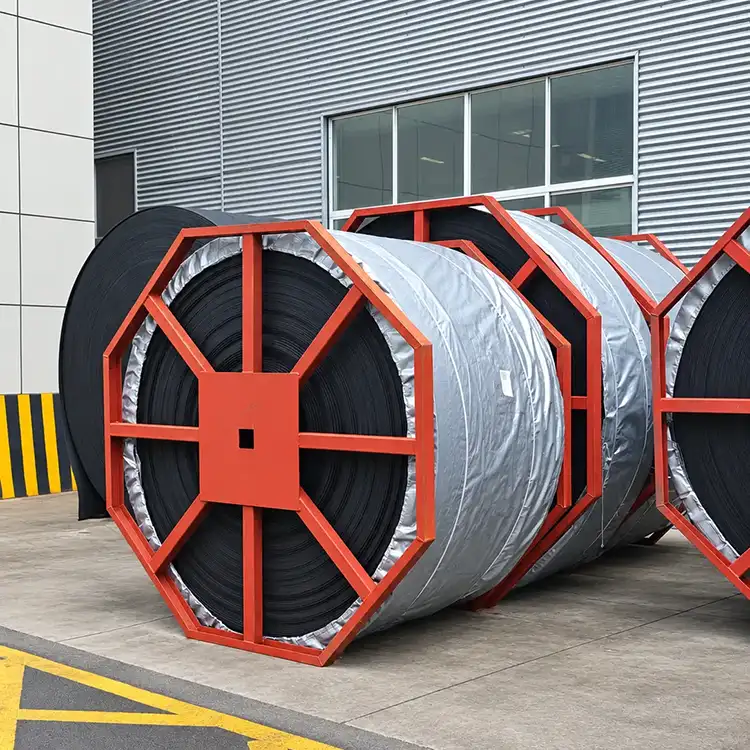
Before shipment, confirm the agreed product dimensions, roll identification, packaging arrangement and transportation requirements. These details should be recorded in the order specification to reduce misunderstandings during delivery and installation.
MOR refers to medium oil resistance, while OR refers to oil resistance. The appropriate option depends on the specific oil or fat, its concentration, operating temperature and exposure duration. Grade names alone do not establish compatibility with every oil-containing material.
It can be considered for these applications because processed oilseed meals may contain residual oil. The appropriate cover compound should be selected according to the actual residual oil content, material temperature and contact conditions.
No. Oil resistance and food-contact compliance are separate requirements. If the belt directly contacts grain, feed ingredients or finished products, specify the applicable contact requirements and request supporting documentation for the belt materials and splice system.
No universal chemical compatibility should be assumed. Different oils, solvents and cleaning agents can affect rubber compounds in different ways. Provide the specific substances, concentrations, temperatures and exposure times for material compatibility assessment.
The main details include belt width, length, required strength, carcass construction, cover thickness, conveyed material, oil exposure, operating temperature and conveyor arrangement. Food or feed contact requirements should also be specified where applicable.
Cross-rigid XE construction can be assessed for equipment requiring additional transverse stiffness. Its suitability depends on the conveyor structure, belt tracking arrangement, pulley geometry and operating conditions.
Confirm the compound's compatibility with the actual oil or fat under the intended exposure conditions. Where specific resistance limits are required, agree on the applicable test method, exposure conditions and acceptance criteria before ordering.
Address
Nancun Industrial district, Qingdao, Shandong, China
Tel