Email
WhatsApp

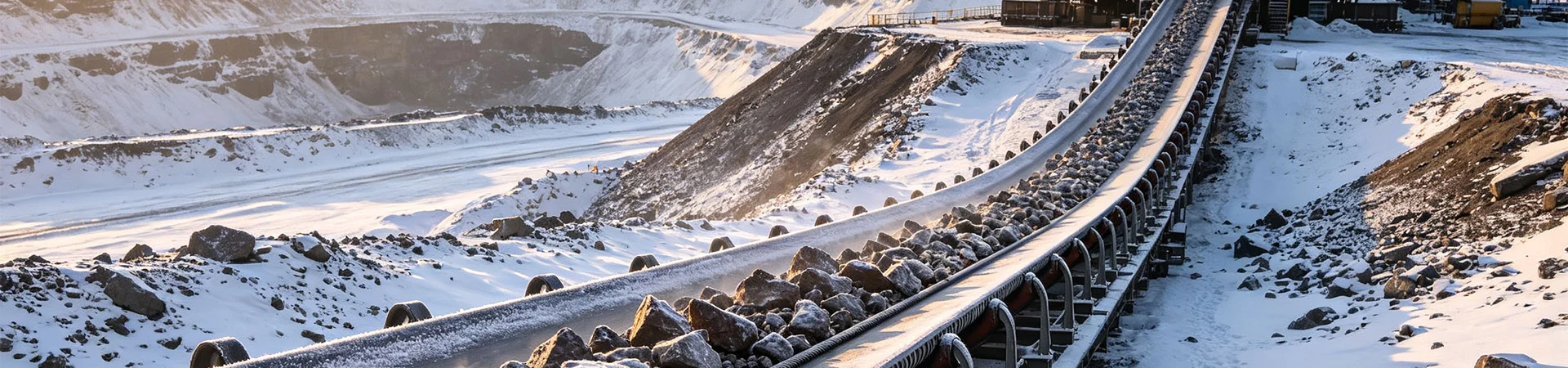
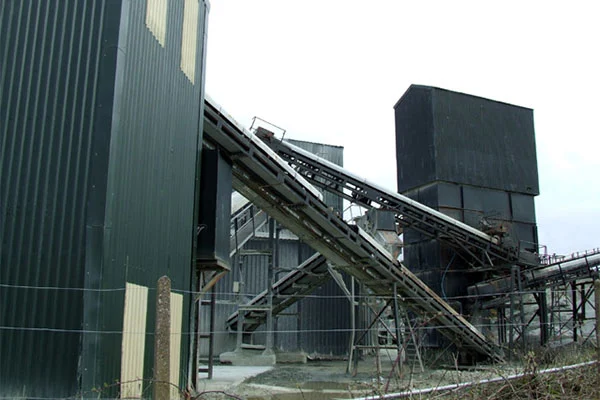
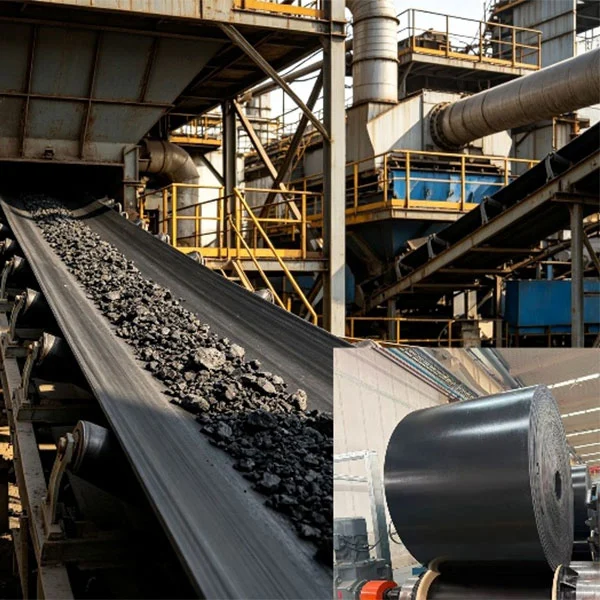
In steel production facilities, conveyor belts transport large volumes of raw materials between receiving yards, stockpiles, preparation areas and processing lines. Typical materials include iron ore, iron ore pellets, coke, coal and limestone. Different conveying stages require different belt cover properties to address abrasion, impact and operating temperature.
Global Belting provides Steel Cord Conveyor Belt for Steel Plants solutions with belt strength, width, rubber cover grade and thickness selected according to conveyor design and material handling requirements.
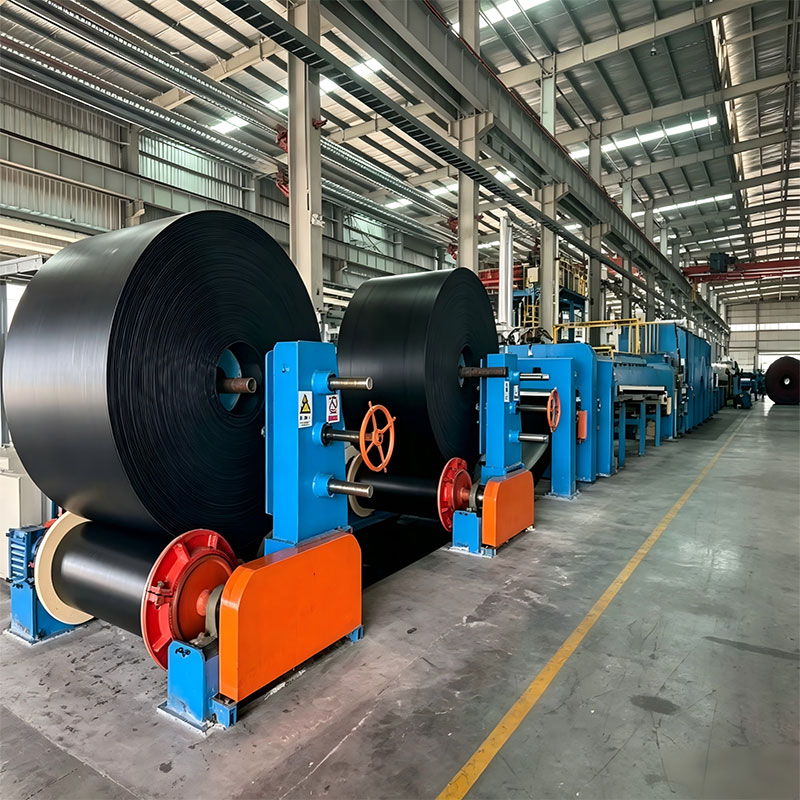
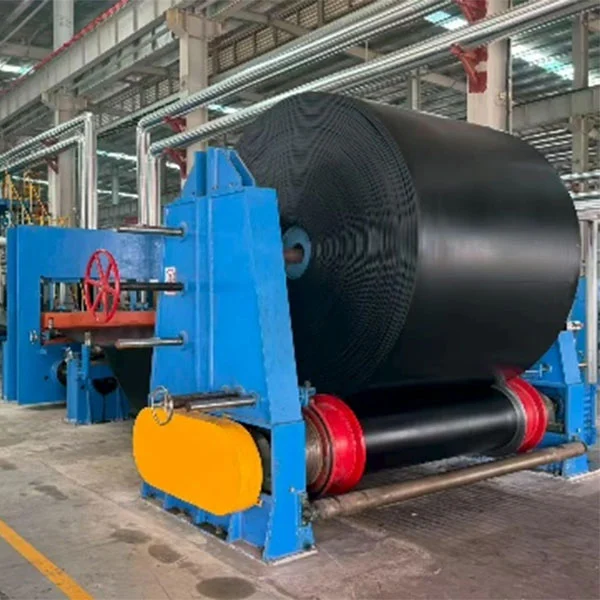
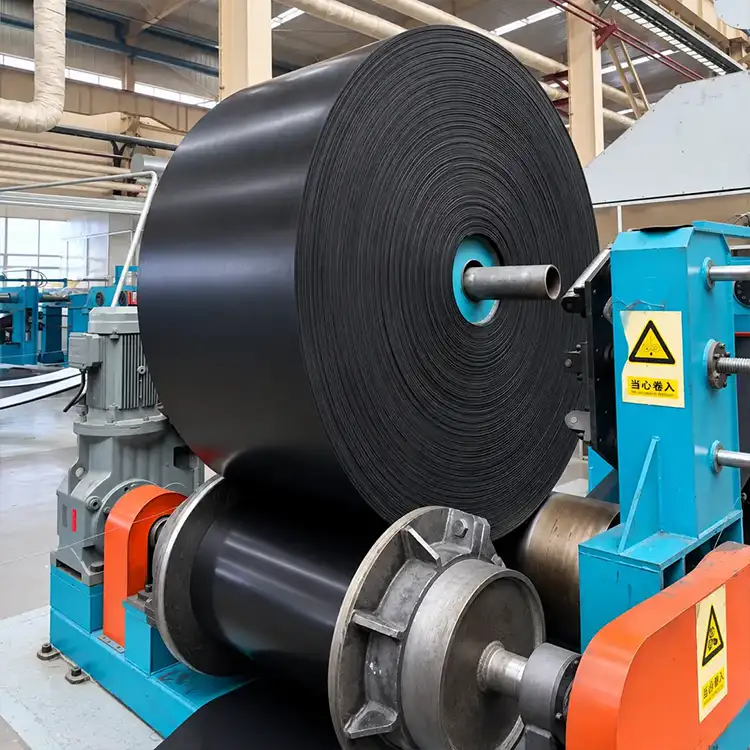
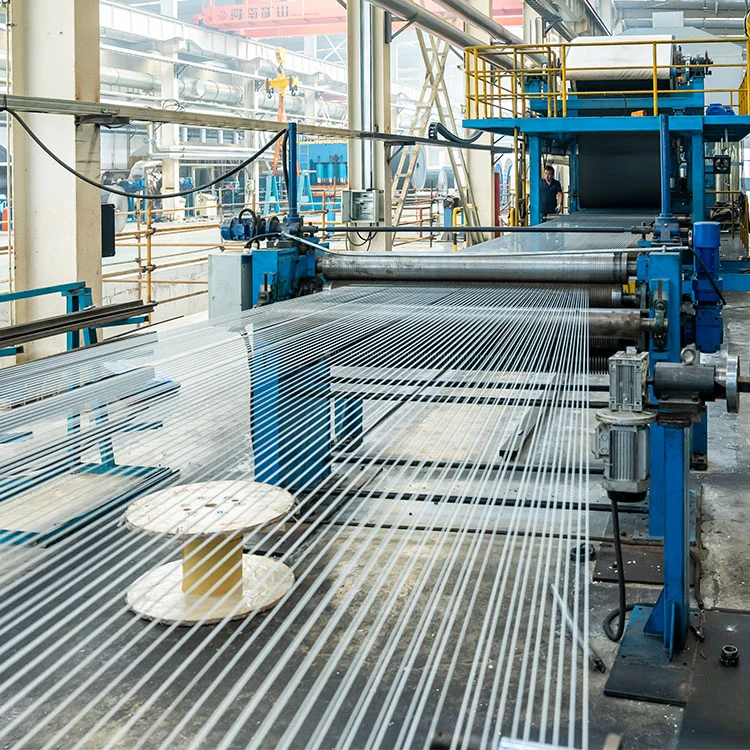
The belt construction combines longitudinal steel cord reinforcement, bonding rubber and protective top and bottom covers. Each component contributes to the belt's performance under continuous industrial conveying conditions.
Steel Cord Carcass
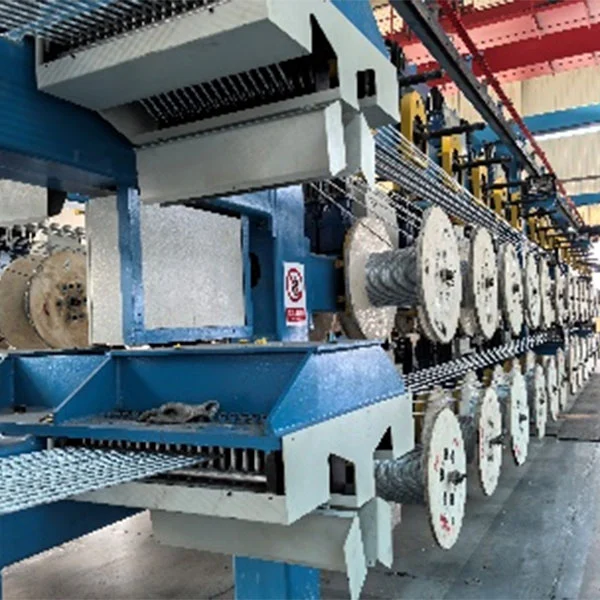
Longitudinal steel cords form the main tensile reinforcement. They provide the strength required for high-tension conveyor systems and help limit belt elongation during operation. Cord diameter, spacing and construction are matched to the required belt strength.
Bonding Rubber
Bonding rubber surrounds the steel cords and connects the reinforcement with the surrounding belt structure. Cord-to-rubber adhesion is an important factor in maintaining carcass integrity during continuous operation.
Top Rubber Cover
The top cover contacts the conveyed material and protects the carcass against abrasion, impact and operating wear. Its compound and thickness are selected according to the material being transported, including iron ore, pellets, coke and limestone.
Bottom Rubber Cover
The bottom cover protects the belt during contact with pulleys and idlers. Its thickness and rubber properties are selected according to conveyor layout, operating conditions and expected wear.
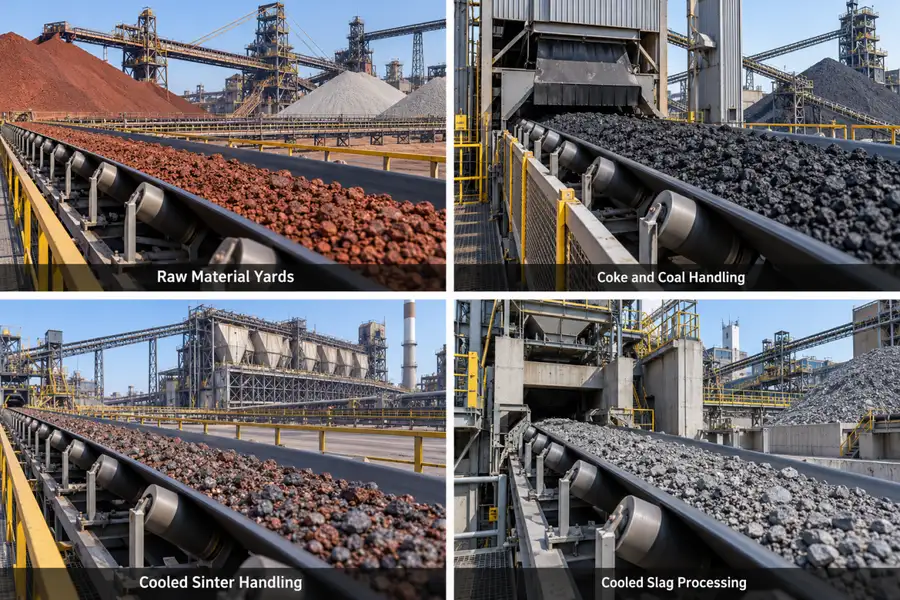
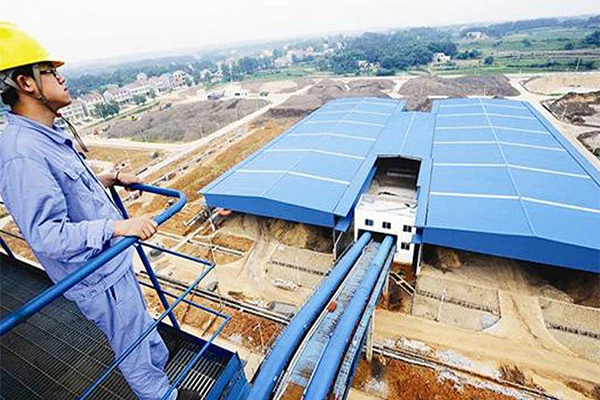
Steel plants operate multiple bulk material conveying systems, from raw material receiving to processing and finished material handling. Steel cord conveyor belts are used on demanding conveyor routes where belt strength, elongation control and suitable rubber covers are important.
Iron Ore and Pellet Conveying
Iron ore and pellets are transported from receiving areas and storage yards to material preparation and processing facilities. Abrasion resistance, belt strength and loading-point impact are important considerations when selecting the belt.
Coke and Coal Handling
Coke and coal conveyor systems connect storage areas with plant processing facilities. Belt cover selection should consider material abrasion, operating temperature and site fire-safety requirements.
Limestone Conveying
Limestone is widely handled in steel plant raw material systems. The belt cover should be selected to withstand the wear associated with continuous transportation of bulk mineral materials.
Sinter Handling
Conveyor belts used for sinter handling require particular attention to material temperature and impact. Heat-resistant belt construction should be selected according to continuous and peak material temperatures and actual contact conditions.
Processed Slag Conveying
Steel slag handling systems require suitable belt covers and carcass construction. Material temperature, particle shape, sharp edges and loading impact must be considered, particularly when conveying processed and cooled slag.
| Product Name | Steel Cord Conveyor Belt for Steel Plants |
| Belt Construction | Longitudinal steel cords embedded in bonding rubber |
| Carcass Reinforcement | Steel cord |
| Strength Rating | Selected according to conveyor tension requirements |
| Belt Width | Selected according to conveyor capacity and layout |
| Top Cover | Abrasion-resistant or application-specific rubber compound |
| Bottom Cover | Rubber cover selected according to operating conditions |
| Cover Thickness | Selected according to abrasion and impact requirements |
| Heat Resistance | Available as a selection requirement for elevated-temperature applications |
| Optional Protection | Transverse reinforcement and compatible rip-detection systems |
| Splice Design | Matched to belt construction and conveyor requirements |
Selecting the correct steel cord conveyor belt requires more than matching belt width and strength rating. Conveyor geometry, operating tension, material characteristics and loading conditions all affect the final belt specification.
The splice is an important part of a steel cord conveyor belt installation. Its design and execution affect the performance of the complete belt system.
Splice planning should account for steel cord arrangement, belt strength rating, bonding materials, conveyor tension and installation conditions. The curing procedure and installation responsibilities should be established before commissioning.
Pulley diameter, take-up arrangement and belt tracking requirements should also be reviewed to ensure compatibility between the selected belt and the existing conveyor system.
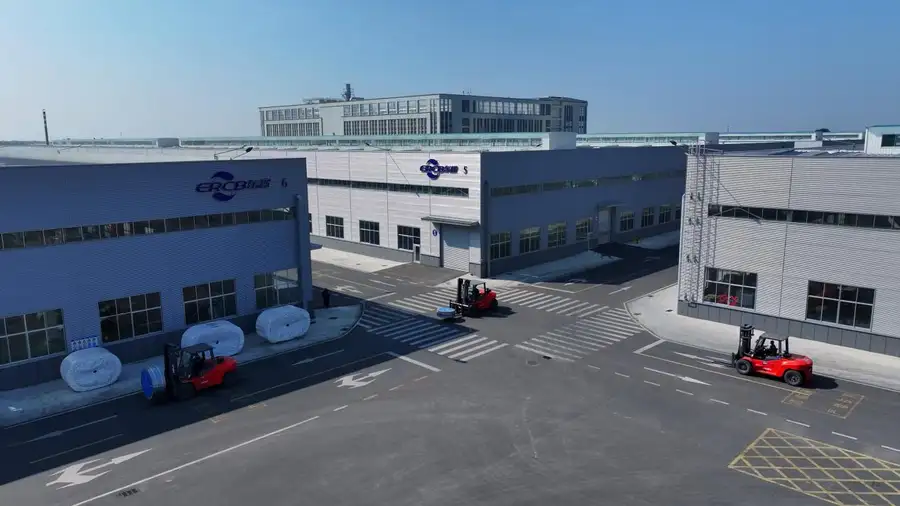
Steel cord conveyor belt quality depends on reinforcement consistency, cord-to-rubber adhesion, cover properties and finished belt dimensions.
Steel plant conveyor systems have different operating requirements depending on the material, conveyor route and production process. Global Belting focuses on matching steel cord belt construction and rubber cover specifications to the actual application.
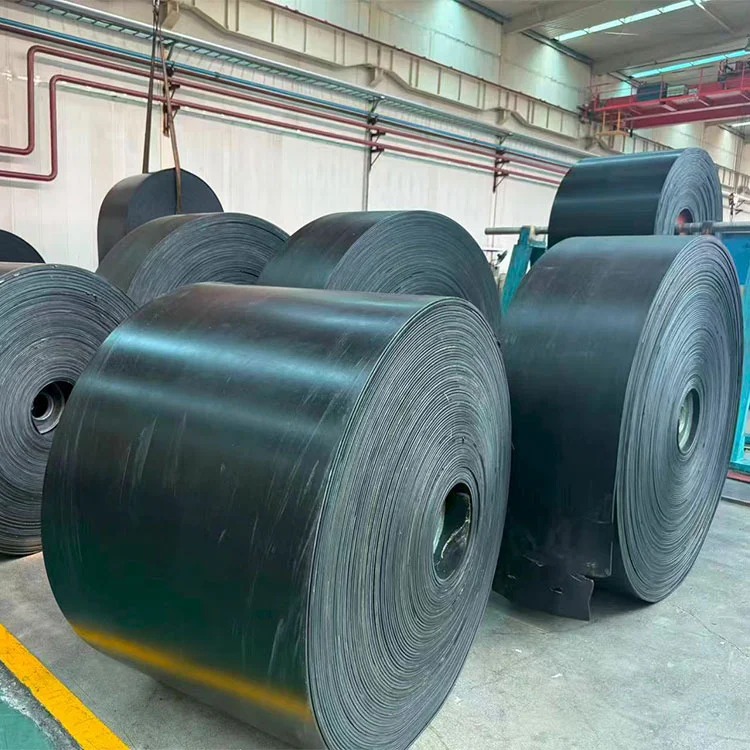
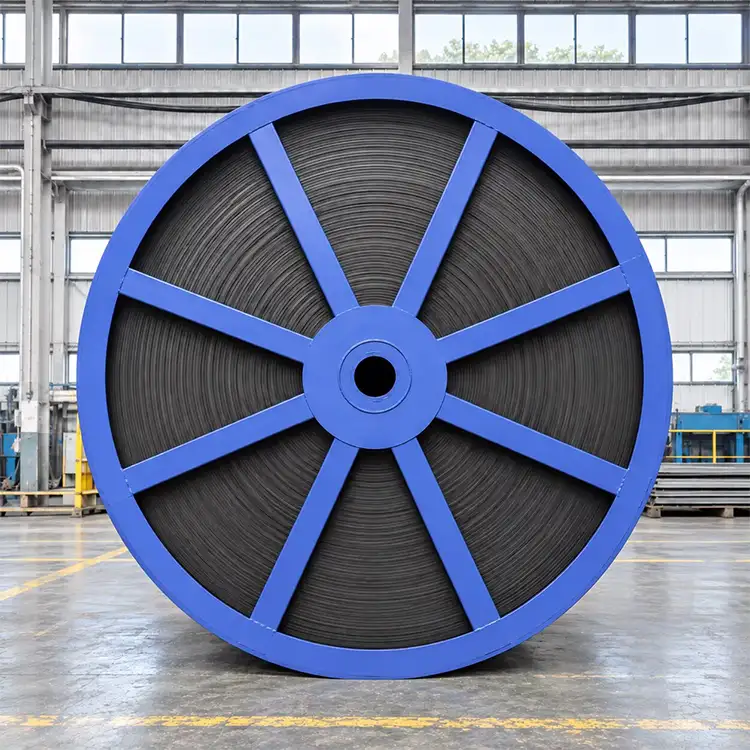
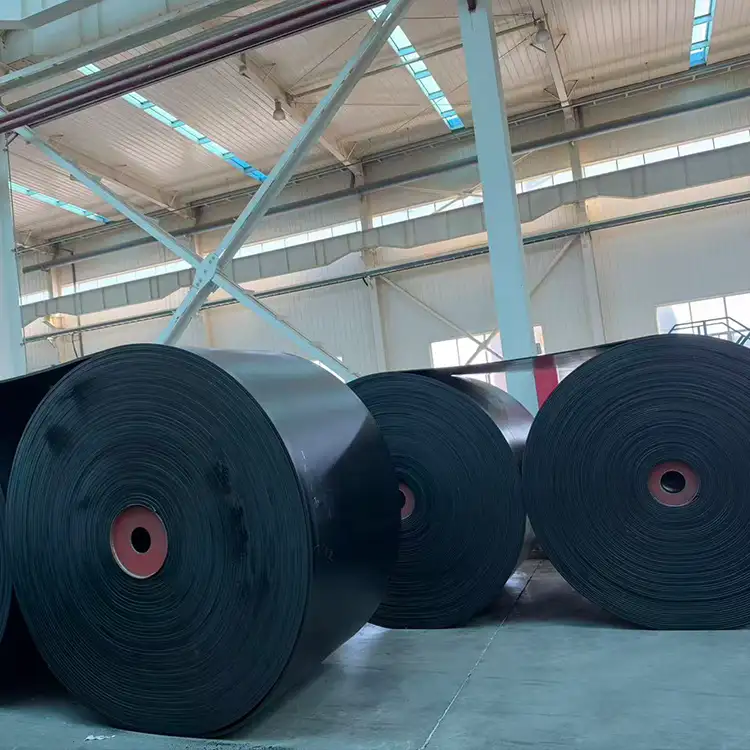
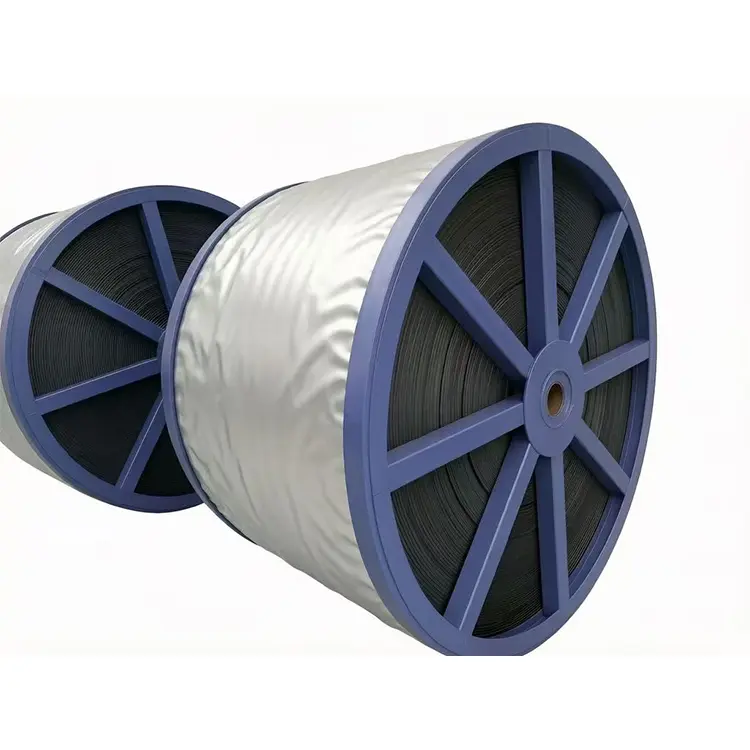
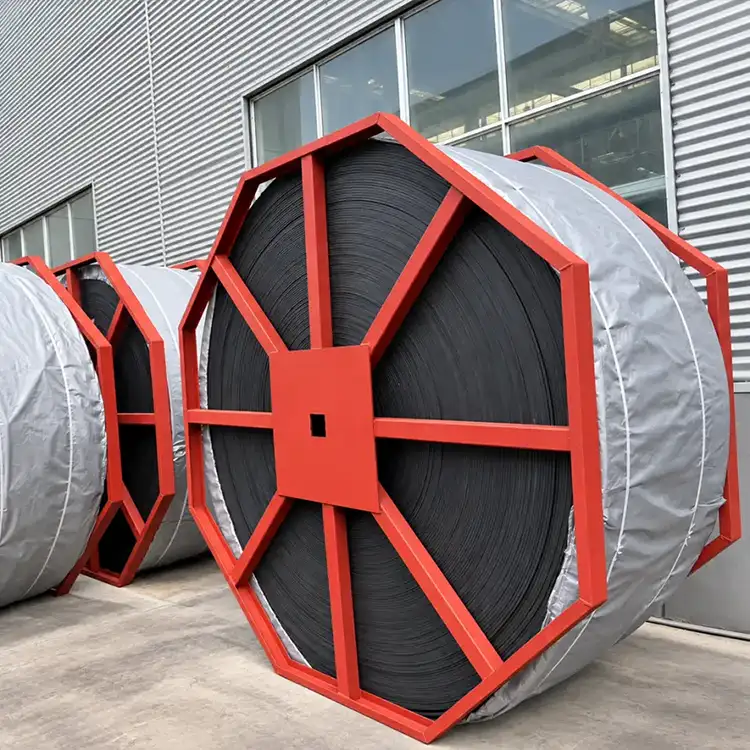
Steel cord conveyor belts are packaged with attention to roll protection, handling safety and transportation conditions.
Steel cord conveyor belts provide high tensile strength and low elongation for demanding bulk material handling systems. They are suitable for long conveyor routes and high-tension applications transporting materials such as iron ore, pellets, coke and limestone.
Yes, suitable heat-resistant belt compounds can be selected for sinter conveying. The selection must account for continuous and peak material temperatures, contact time and actual belt surface temperature. Molten slag and red-hot materials require a different conveying solution.
Abrasion-resistant rubber covers are commonly considered for these materials. The appropriate compound and thickness depend on particle size, loading impact, conveying speed and operating conditions.
The strength rating is determined through conveyor engineering calculations. Important factors include conveyor length, elevation, throughput, belt speed, operating tension, starting and braking loads, and splice design.
A belt may handle different materials when its strength, rubber cover and operating temperature limits are suitable for all relevant conveying conditions. Iron ore, coke, sinter and processed slag have different abrasion, impact and temperature requirements, so each application should be checked.
The splice connects the belt ends and transfers tensile loads through the joint. Correct splice design, materials, installation and curing are essential to the integrity and operating performance of the conveyor belt.
Planning a conveyor belt replacement or a new material handling system for your steel plant? Contact Global Belting with your belt width, conveyor length, required strength rating, material type and operating conditions.
Providing conveyor drawings, existing belt specifications or technical data helps identify the appropriate steel cord construction, rubber cover and splice requirements for your project.
Address
Nancun Industrial district, Qingdao, Shandong, China
Tel