Email
WhatsApp

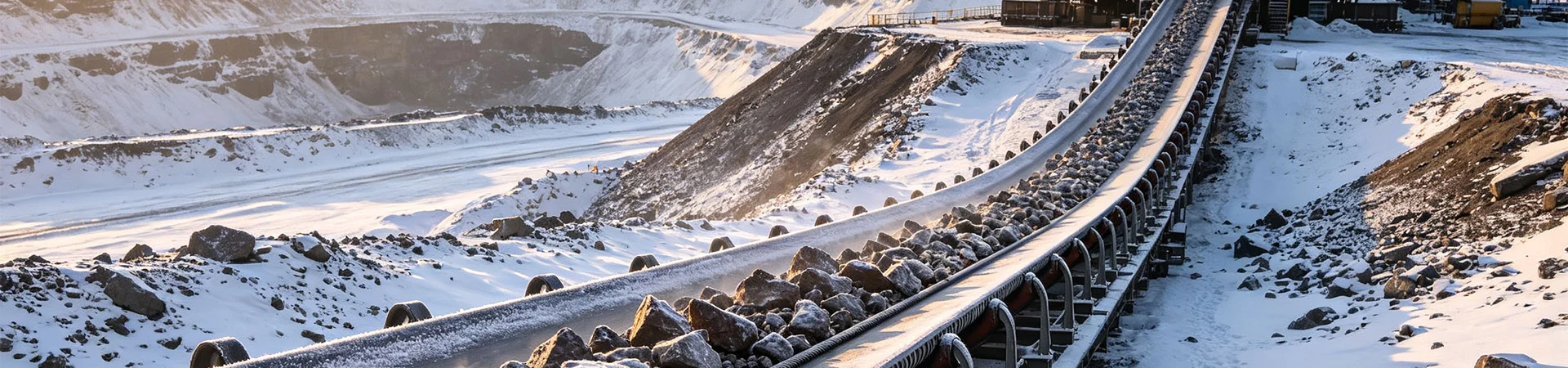
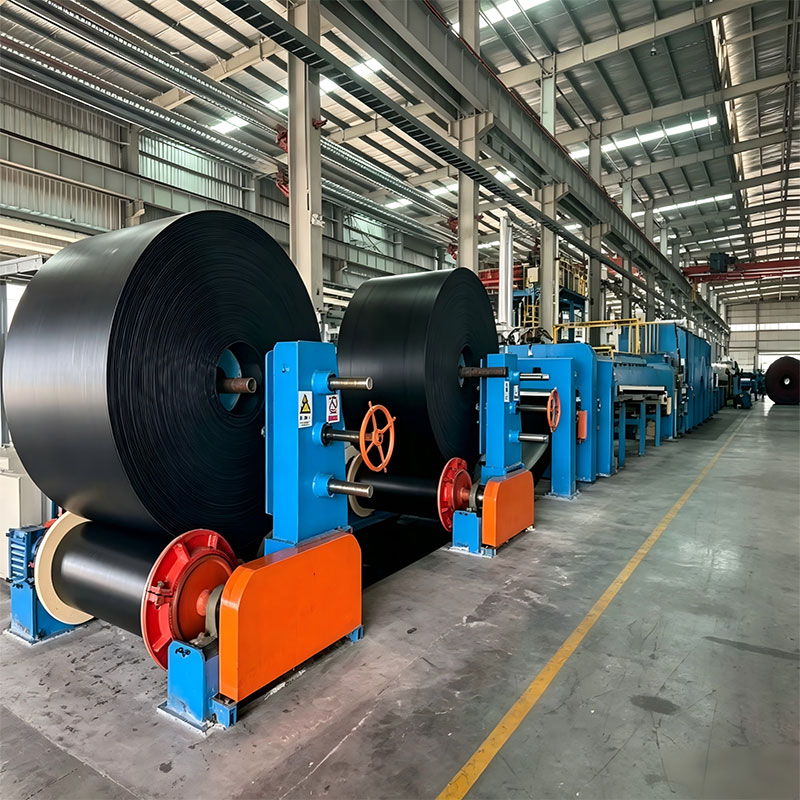
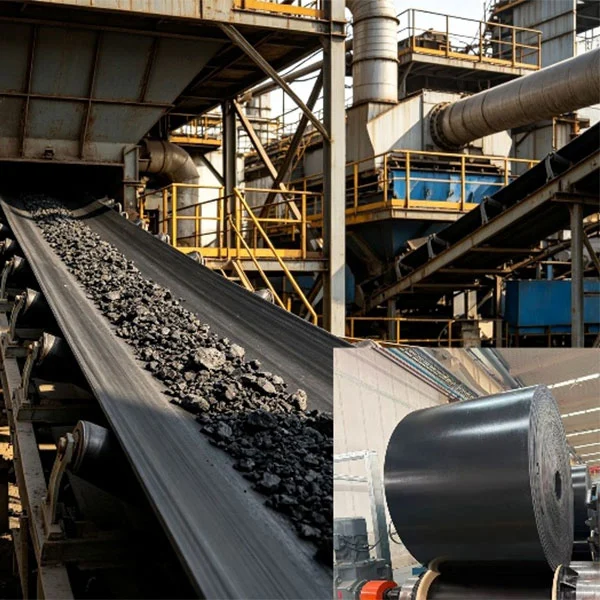
Port conveyor systems often handle heavy bulk materials over long distances, with continuous transfer between berths, stockyards and inland transport facilities. Belt selection affects the conveyor's operating tension, take-up requirements, pulley arrangement and maintenance planning.
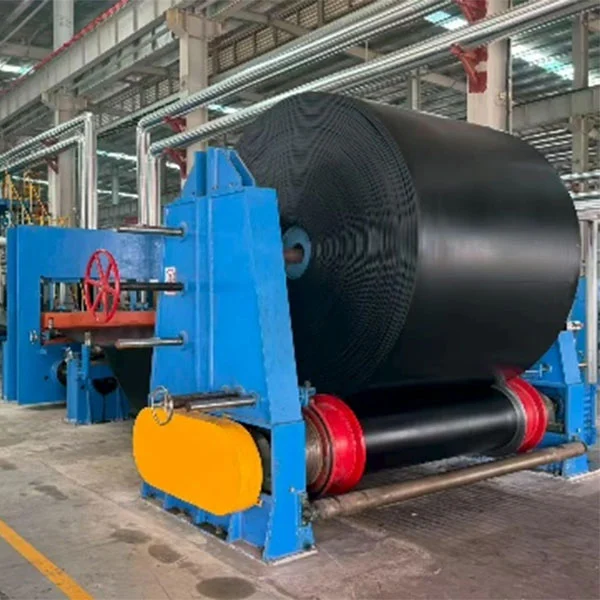
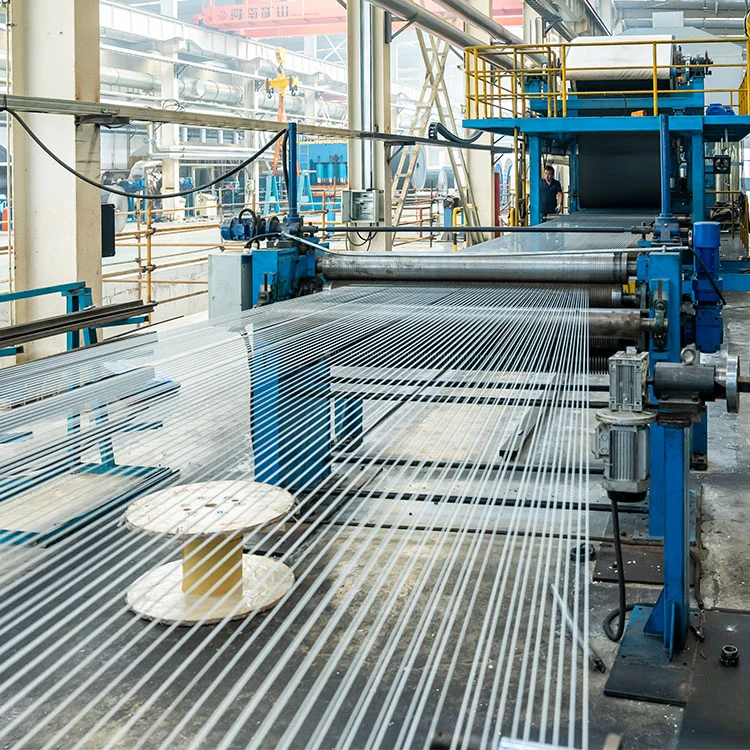
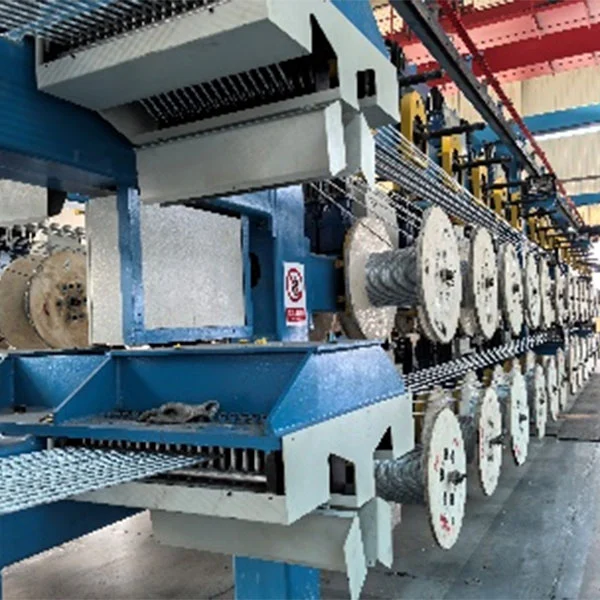
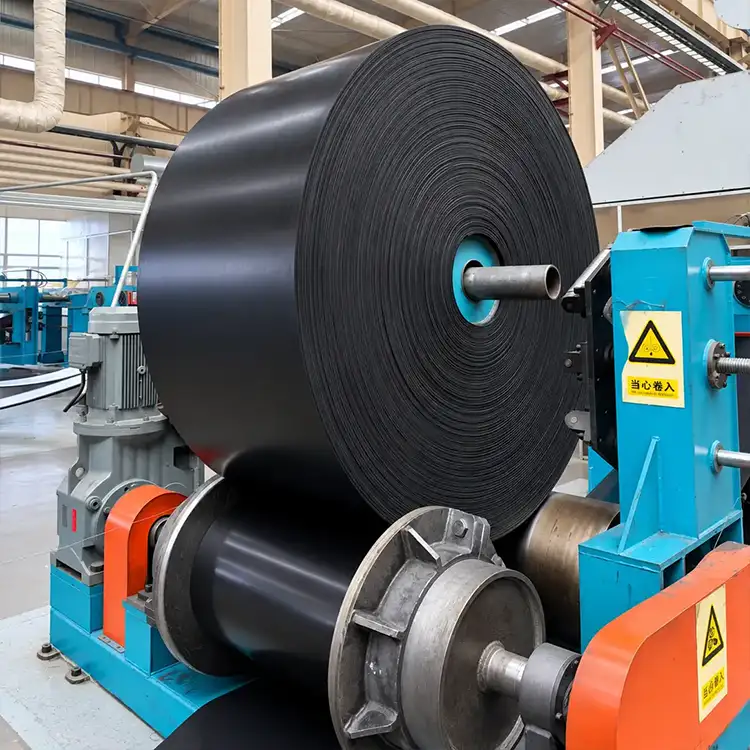
The Steel Cord Conveyor Belt for Ports and Terminals uses longitudinal steel cords embedded in adhesion rubber as its load-bearing carcass. The steel cords carry the tensile load, while the top and bottom rubber covers protect the belt body against contact with conveyed materials and the operating environment.
Its low-elongation construction is suitable for long-distance, high-tension conveying systems where controlled belt stretch is important. The appropriate strength class, belt width, cover grade and thickness should be selected according to conveyor calculations, cargo characteristics and equipment design.
The belt consists of four main components:
Top cover rubber: Provides the working surface in contact with bulk materials. Its grade and thickness should be selected according to cargo abrasiveness, impact conditions and operating requirements.
Adhesion rubber: Bonds the longitudinal steel cords within the belt carcass. The required adhesion values should be specified according to the selected strength class and agreed test methods.
Longitudinal steel cords: Form the main tensile reinforcement and carry the operating load along the conveyor direction.
Bottom cover rubber: Protects the underside of the belt during contact with pulleys, idlers and other conveyor components.
Steel cord diameter, cord construction and spacing vary with the selected strength class. These details should be considered together with belt width, splice design and conveyor operating tension when confirming the final specification.
| Item | Specification |
| Product Name | Steel Cord Conveyor Belt for Ports and Terminals |
| Carcass | Longitudinal steel cords embedded in adhesion rubber |
| Strength Rating | ST 630 to ST 7500; select by tension calculation |
| Belt Width | 800 to 2400 mm; confirm available strength and width combinations |
| Cover Grade | Select the cover property grade for cargo abrasion and operating conditions |
| Cover Thickness | Top and bottom cover thicknesses depend on the selected belt specification |
| Operating Environment | Assess outdoor weather, moisture, coastal exposure and actual cargo temperature |
| Item | Description |
| High Tensile Strength | Longitudinal steel cord reinforcement suits long-distance, high-capacity and high-tension conveying routes. |
| Low Operating Elongation | Low stretch helps limit take-up demand; actual travel is calculated for the conveyor and installation. |
| Cord to Rubber Adhesion | Adhesion rubber bonds the steel cords into the belt body. Agree the applicable adhesion values and test method for the selected class. |
| Good Troughability | The longitudinal cord construction supports trough formation for bulk cargo containment, subject to suitable idlers and transitions. |
| Cord Arrangement and Inspection | Consistent cord arrangement supports stable belt construction. Compatible inspection equipment can be used to assess cord condition; tracking also depends on conveyor alignment and loading. |
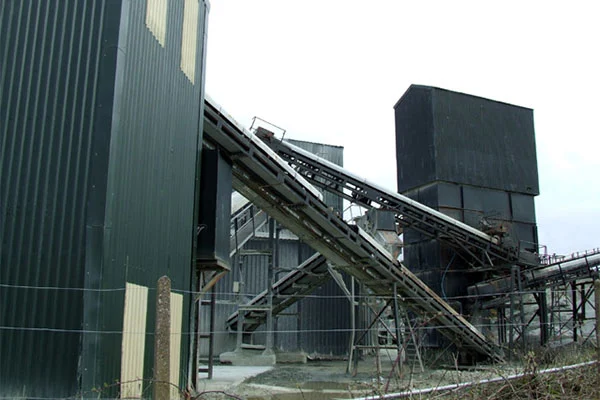
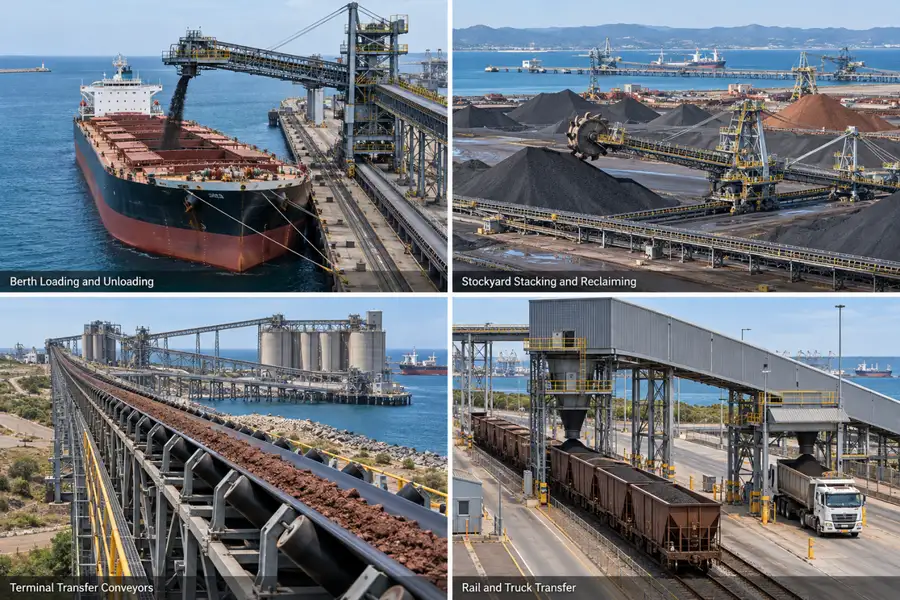
The Steel Cord Conveyor Belt for Ports and Terminals can be specified for different stages of bulk cargo handling, depending on conveyor design and operating requirements.
Berth Loading and Unloading: Transfers bulk cargo between receiving hoppers, shore conveyors and compatible shiploading or unloading systems.
Stockyard Stacking and Reclaiming: Connects stockpiles with stackers and reclaimers. Belt selection should consider loading direction, transfer impact and equipment geometry.
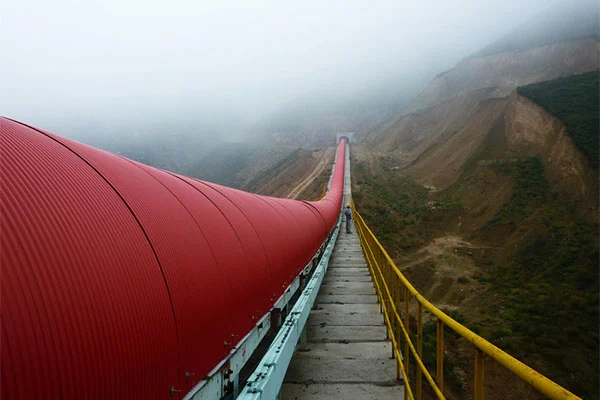
Long-Distance Terminal Transfer: Moves materials such as iron ore, coal, coke, limestone and aggregates between berths, storage areas and inland transfer facilities.
Rail and Truck Transfer: Supports bulk material movement to rail-loading and truck-loading stations or receives cargo from inland transport connections.
The cover grade and thickness should be selected according to the actual material, particle size, impact conditions and operating environment. For coastal installations, moisture exposure and storage conditions should also be considered.
Terminal selection inputs: Provide cargo type, bulk density, maximum lump size, rated and peak throughput, conveyor length, lift, speed, operating tension and loading arrangement. For mobile equipment, include pulley sizes, transitions and movement details.
Specification and test records: Identify the selected ST class, belt width, cord construction, cover grade and cover thickness in the technical schedule. Agree the applicable test methods and supply records before manufacture.
Cord adhesion and splice review: Cord-to-rubber adhesion requirements vary with strength class. Confirm the selected belt values together with the splice design, materials and installation procedure.
Inspection planning: Agree dimensional checks, tensile properties, cord adhesion and cover tests. Steel cord condition can be assessed using compatible inspection equipment; detector suitability and inspection arrangements must be confirmed for the conveyor.
A defined steel cord product range: Strength classes from ST 630 to ST 7500 provide a basis for matching belt construction to terminal conveyor tension rather than choosing by cargo type alone.
Construction details for equipment matching: Published cord diameters, pitches, cover combinations, belt weights and minimum pulley diameters support a more specific engineering discussion for fixed conveyors and compatible mobile machines.
Adhesion and cover performance data: Specified cord adhesion values and cover property grades helping buyers define measurable acceptance requirements for the selected belt.
Port-focused specification review: Translate the product data into a terminal-specific schedule covering cargo abrasion, transfer impact, take-up space, splice access and coastal maintenance conditions.
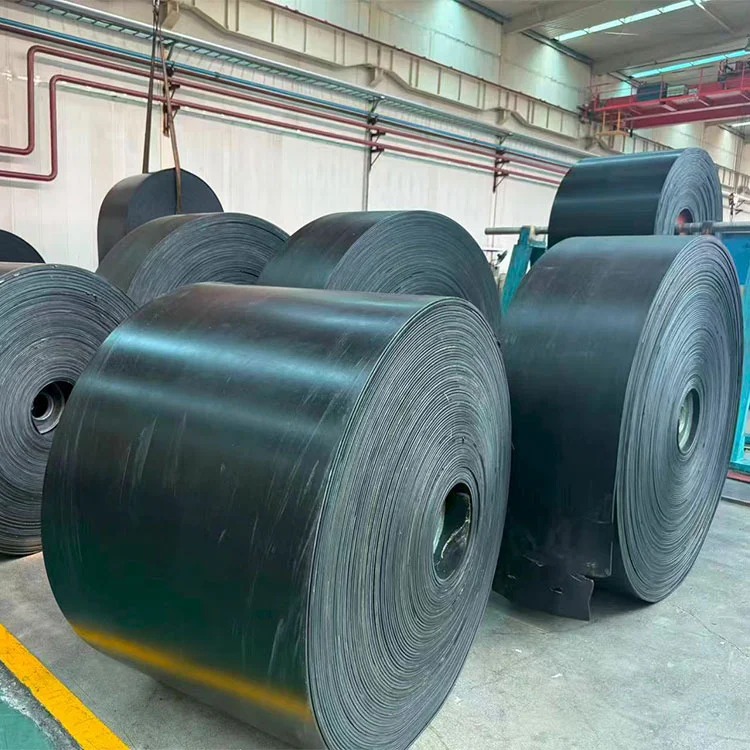
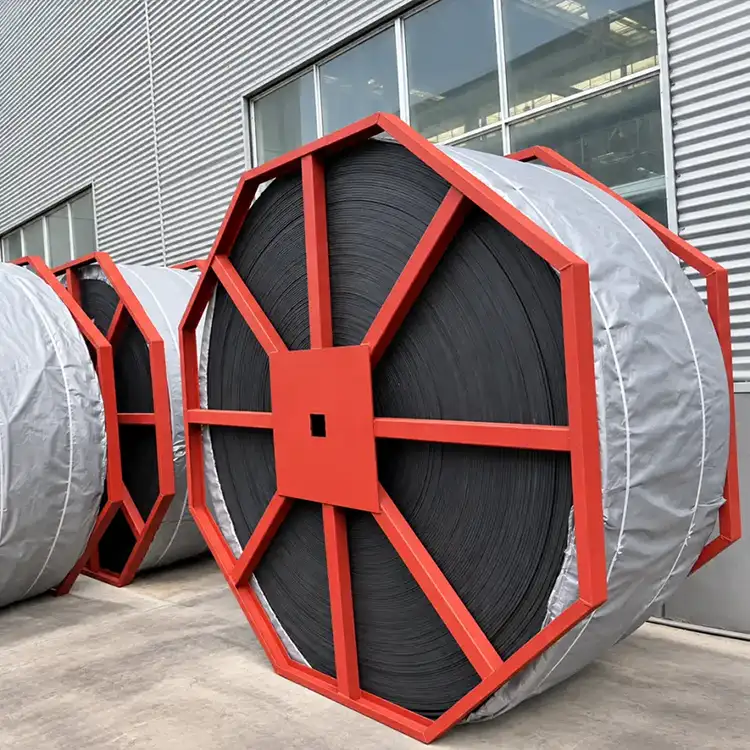
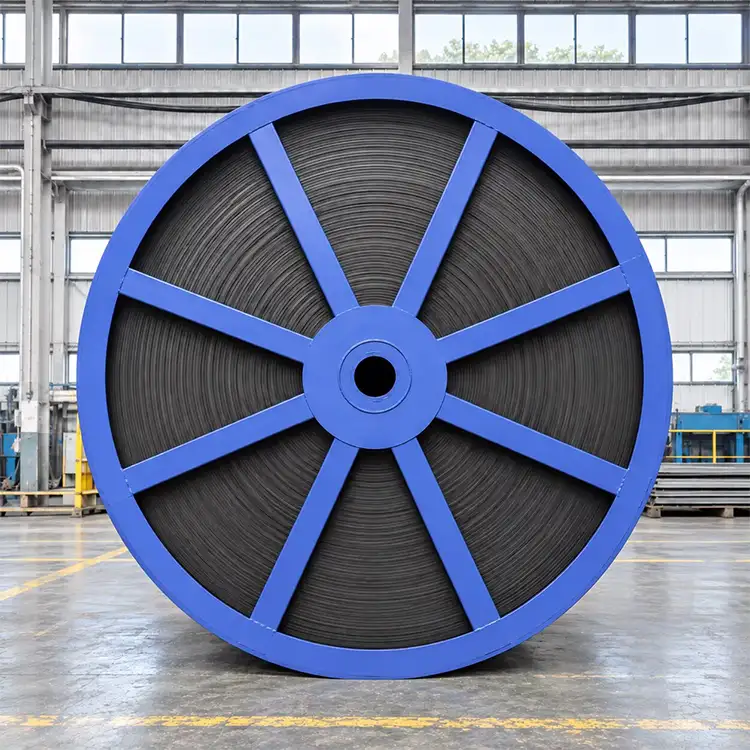
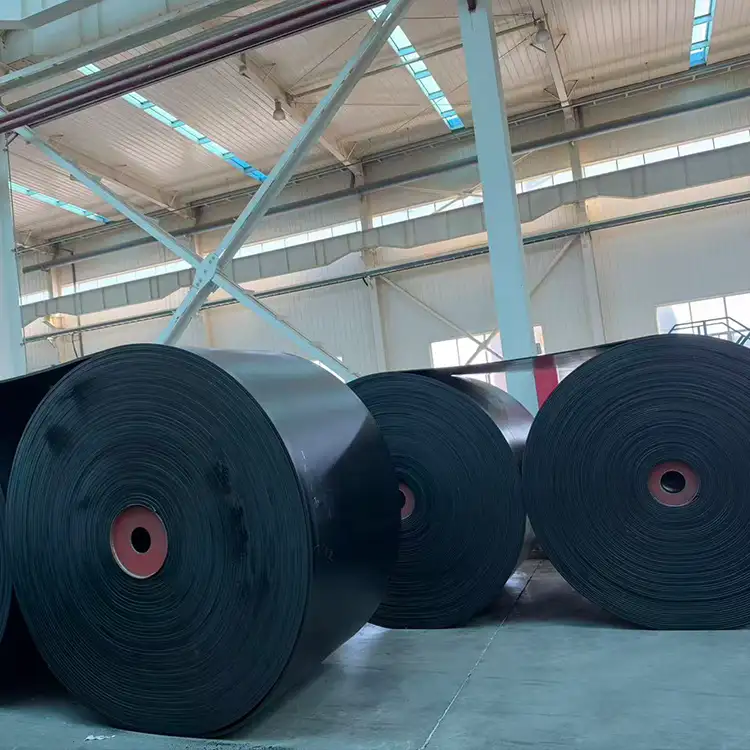
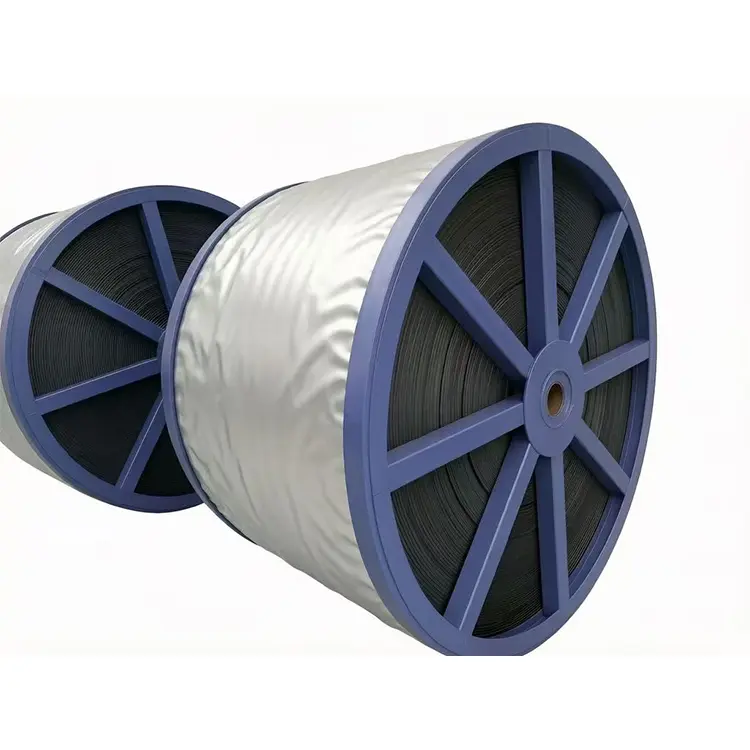
Steel cord conveyor belts are supplied in rolls. Packaging and transportation arrangements should be confirmed according to the shipment route, roll dimensions and site handling conditions.
Roll Protection: Specify suitable wrapping and storage protection for the shipping route, coastal humidity and handling environment. Keep packaged rolls away from standing water and direct weather exposure.
Handling Arrangement: Confirm the reel or support structure, lifting method and allowable roll dimensions according to transportation and site access requirements.
Product Identification: Roll labels should show the order reference, belt specification, roll length and traceable batch or roll number.
Transport Securing: Rolls should be adequately blocked and secured to prevent movement and handling damage during transportation.
The product range covers ST 630 to ST 7500 strength classes and belt widths from 800 to 2400 mm. The available combinations depend on the selected specification. Confirm the required strength class, width and cover configuration before ordering.
The strength class should be selected according to the conveyor's calculated operating tension and design requirements, not simply the type of material being conveyed. Conveyor length, lift, belt speed, loading arrangement and operating conditions should be considered during selection.
The steel cord carcass has low elongation, which can help limit operating stretch and take-up demand. The actual take-up travel must be calculated according to conveyor length, system layout, operating tension and splice construction.
Cover grade and thickness should be selected according to cargo abrasiveness, maximum lump size, transfer impact and operating conditions. Moisture, coastal exposure and actual cargo temperature should also be considered where relevant.
Provide the cargo type, bulk density, maximum lump size, rated and peak throughput, conveyor length, lift, belt speed, operating tension, belt width and loading arrangement. Pulley diameters, transitions and movement details are also required for mobile equipment. This information helps establish a suitable belt specification for technical review.
The inspection plan should identify the applicable dimensional, tensile, cord adhesion and cover property checks, together with their test methods and acceptance criteria. The required records should be confirmed in the technical agreement before manufacture.
Address
Nancun Industrial district, Qingdao, Shandong, China
Tel