Email
WhatsApp

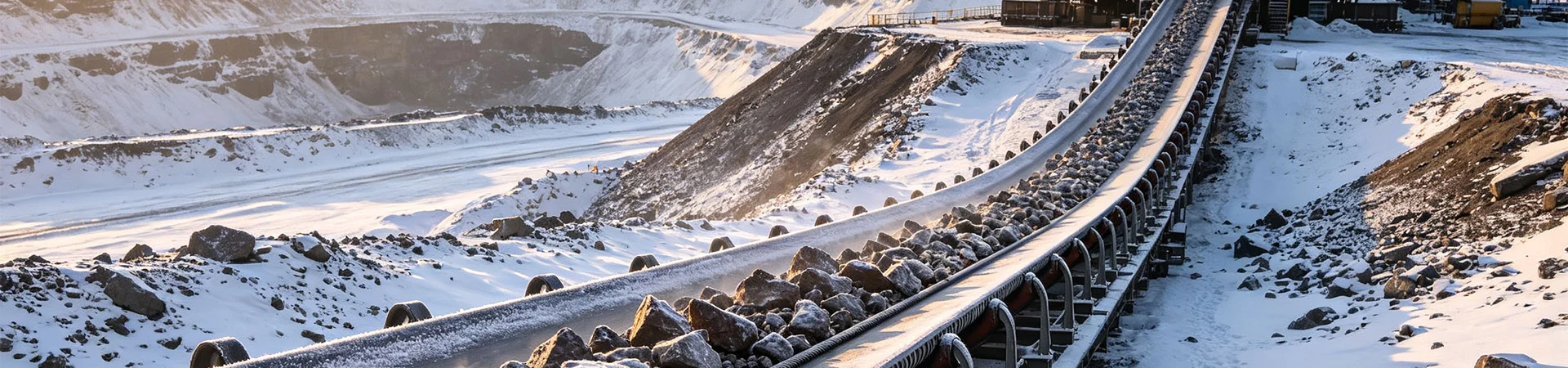
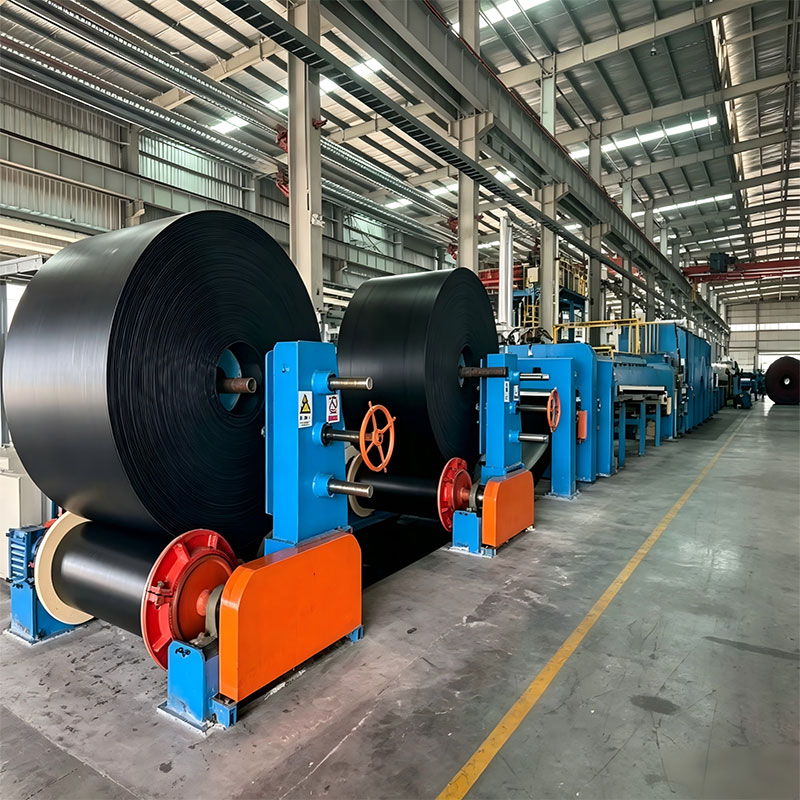
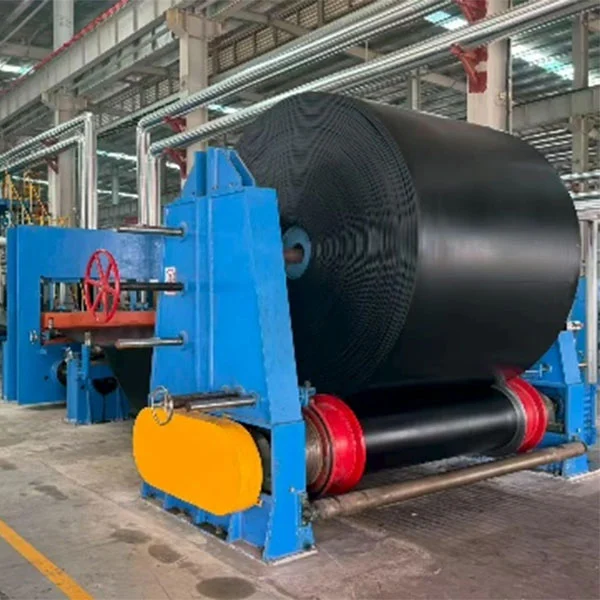
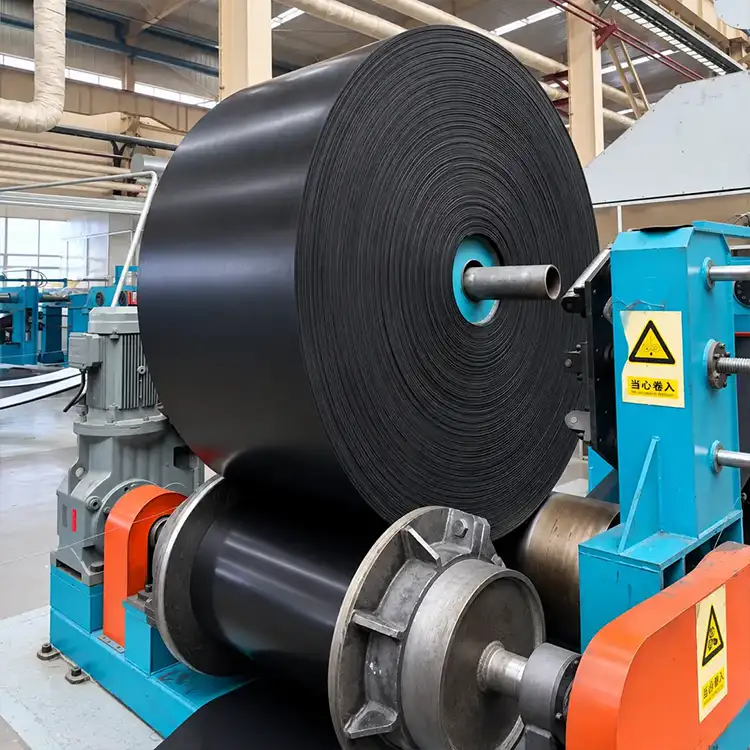
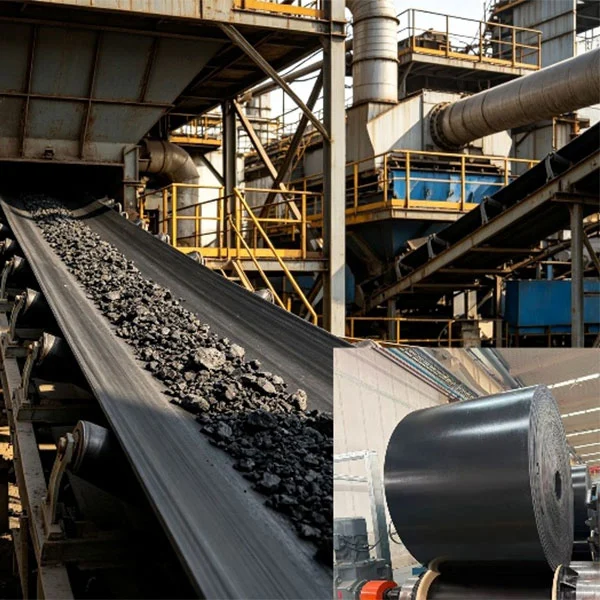
Heavy Load Steel Cord Conveyor Belt is built for conveying dense ores, crushed stone and other heavy bulk solids in mining, quarrying, cement raw material handling and bulk terminals. Belt specification is not set by material weight alone; capacity, belt speed, route profile, loading arrangement and drive conditions are reviewed together so the belt matches the actual conveyor duty.
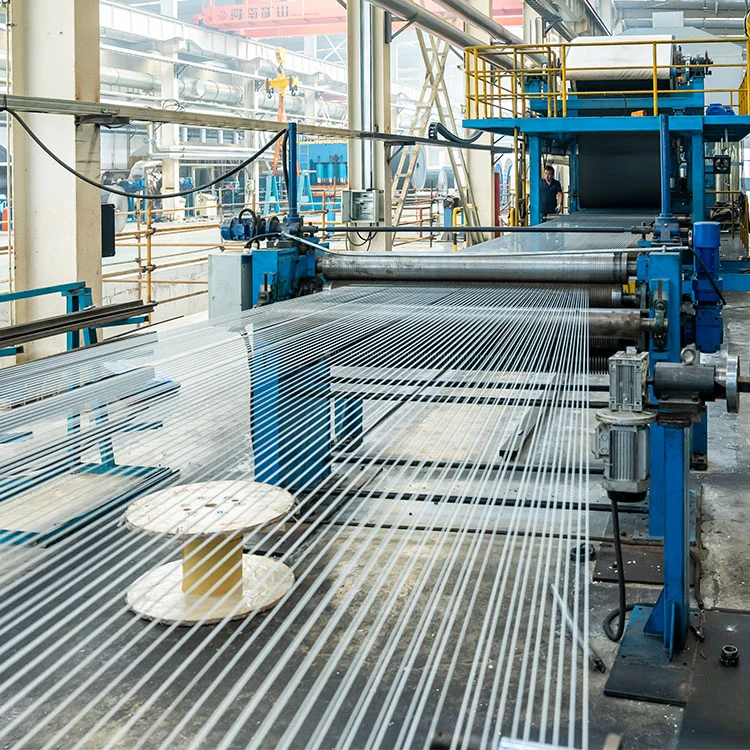
The belt contains parallel longitudinal steel cords embedded in bonding rubber between the top and bottom covers. Compared with conventional multi-ply fabric reinforcement, steel cord reinforcement generally provides lower longitudinal elongation, which is useful in long conveyor systems. Actual belt behavior and take-up requirements depend on the selected construction and conveyor design.
Top rubber cover: contacts the material and is selected for abrasion, cutting and loading conditions.
Longitudinal steel cords: form the primary tension-carrying reinforcement.
Core rubber: bonds to the cords and transfers load within the belt and vulcanized splice.
Bottom rubber cover: protects the running side against idlers and pulleys.
Belt edges: enclose the reinforcement; damage and exposed cords require prompt assessment.
For a Heavy Load Steel Cord Conveyor Belt, identify bulk density, required throughput, maximum lump size and loading drop height. Review the resulting material load per unit belt length together with steady running tension, starting and stopping conditions. Confirm belt speed, conveyor elevation, drives, take-up, pulley diameters and transition lengths. Belt tensile strength and loading-impact resistance are separate selection requirements.
Select cover properties separately from cord strength. Abrasive material needs a suitable wear-resistant cover; hot, oily or fire-sensitive service requires additional compound and safety review. Steel cord reinforcement alone does not establish these properties.
| Item | Specification |
| Product type | Heavy Load Steel Cord Conveyor Belt |
| Reinforcement | Parallel longitudinal steel cords embedded in bonding rubber |
| Nominal belt strength | ST rating in N/mm of belt width, selected from calculated operating and transient tensions |
| Cord construction | Cord diameter, spacing and construction confirmed for the selected belt rating |
| Belt width | Selected for capacity, bulk density, material size and conveyor arrangement |
| Delivery length | Confirm roll lengths, number of rolls and splice locations with the installation plan |
| Top and bottom covers | Specify each cover thickness and rubber grade separately |
| Cover properties | Select for material wear, cuts and exposure conditions; confirm supporting test data |
| Pulley diameters | Confirm minimum diameters for the selected construction, tension and pulley function |
| Splice method | Engineered hot-vulcanized steel cord splice using compatible materials and an approved procedure |
| Take-up requirements | Calculate travel and tension requirements for the complete conveyor system |
| Loading protection | Review impact support, transverse reinforcement and rip monitoring requirements; confirm belt options |
| Inspection documentation | Agree dimensional, rubber property, cord bonding and splice documentation requirements |
Longitudinal steel cord reinforcement for conveyors requiring high tensile capacity.
Generally lower longitudinal elongation than conventional multi-ply fabric belts.
Rubber cover selection matched to the material and loading conditions.
Belt construction and vulcanized splice reviewed as one specification.
Delivery lengths and packing planned around transport and installation constraints.
Published strength grades, width ranges, cover limits and performance values are matched to the confirmed product specification. The allowable conveyed load and throughput depend on the complete conveyor design; an ST rating is not a load-capacity value in tonnes.
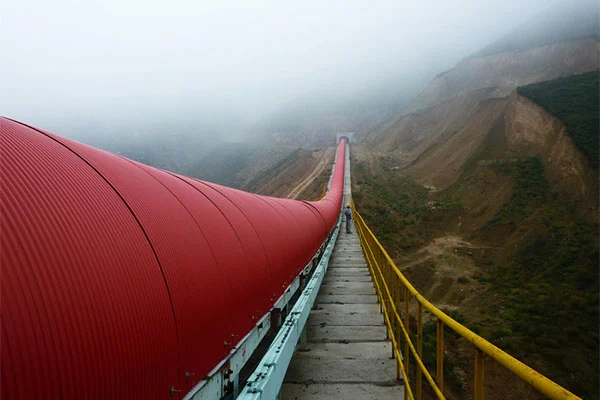
The Heavy Load Steel Cord Conveyor Belt is used where dense material, high throughput and controlled elongation must be handled together.
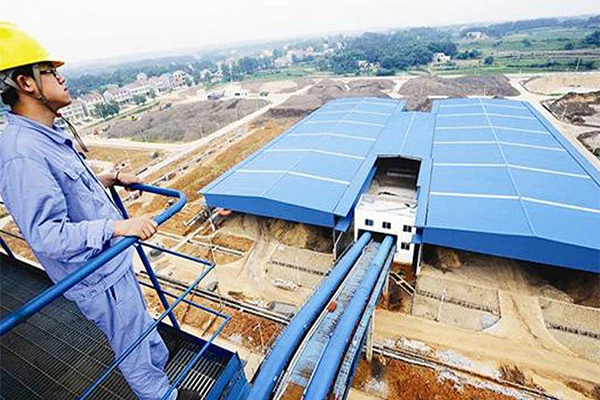
Conveying dense mineral ores between crushing, processing and stockpiling stages. Bulk density, material load and belt tension are reviewed together; large lumps also require loading-impact and cut-resistance assessment.
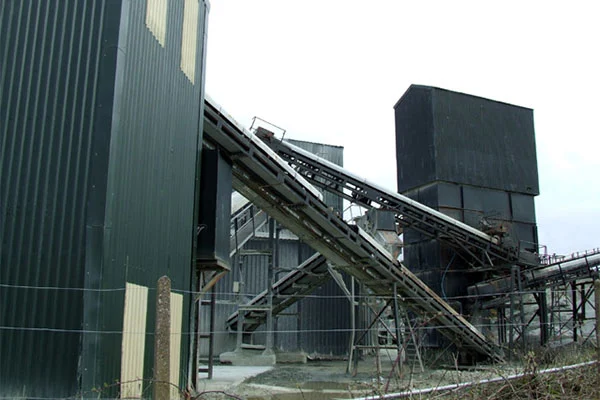
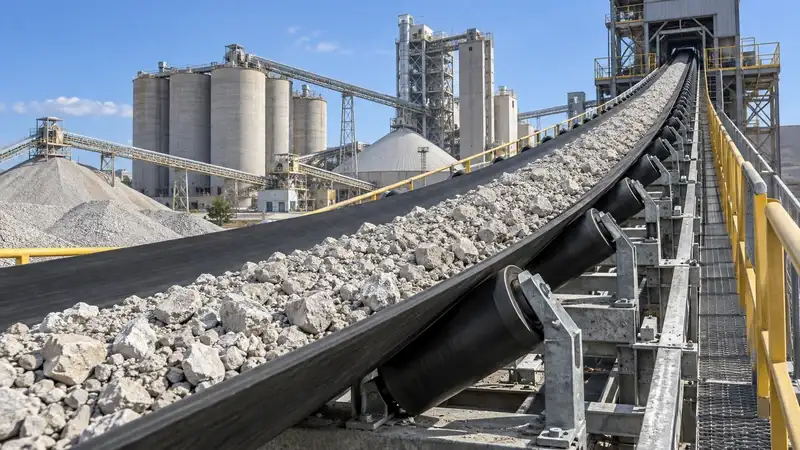
Handling heavy streams of crushed stone and other aggregates through processing and stockyard conveyors. The belt construction should be matched to throughput, loading-point conditions and abrasive or sharp material.
Transporting limestone and other heavy raw materials to storage or production areas. Heated materials, including hot clinker, require a separately selected heat-resistant cover and construction.
Moving high-mass flows of suitable bulk solids between unloading, storage and loading facilities. Peak loading, feeder control and drive conditions are reviewed alongside the belt and splice specification.
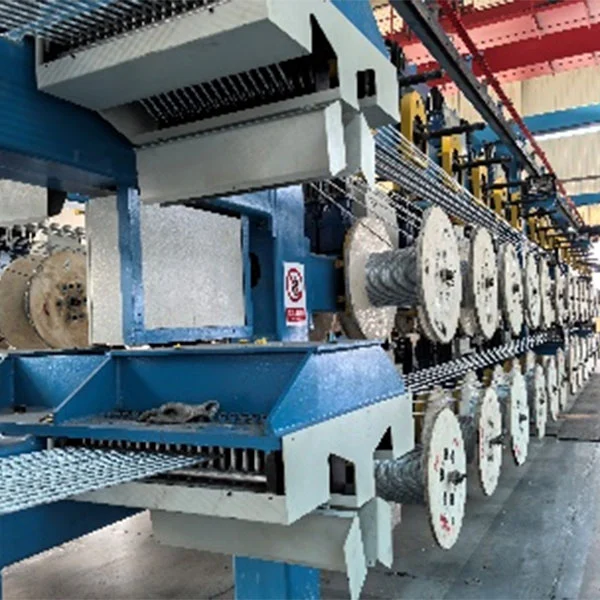
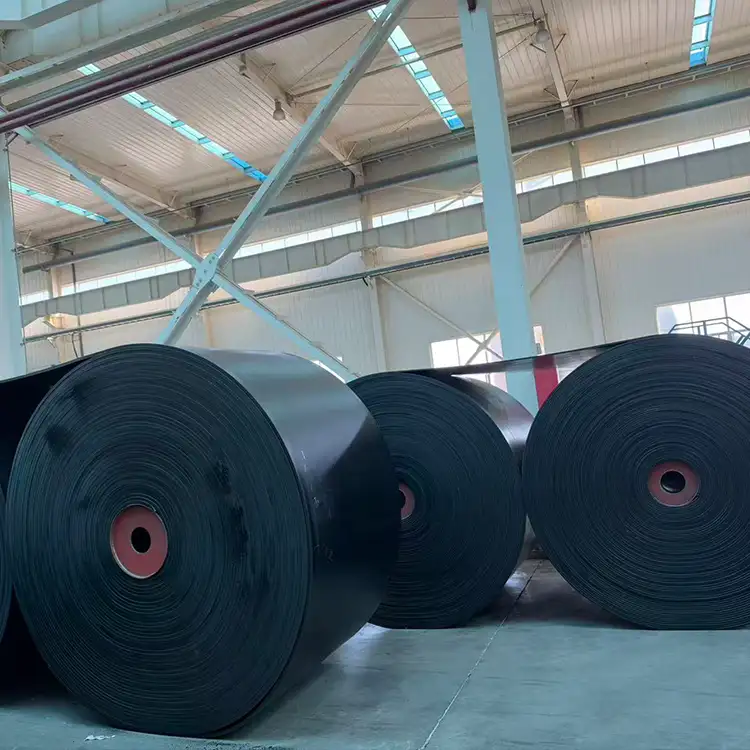
Global Belting coordinates factory production and delivery for each Heavy Load Steel Cord Conveyor Belt order, keeping the delivered belt matched to the agreed specification.
Application-based specification review: discuss belt strength, cover requirements and conveyor data against the project duty.
Agreed inspection requirements: establish the product checks and supporting documentation needed for the order.
Splice planning: specify the required splice drawing, materials and installation documentation for technical review.
Delivery coordination: review roll lengths, handling requirements, labeling and shipment packing before dispatch. Customize belt width, cover grades and delivery lengths against the conveyor layout and installation plan.
Supplier confirmation covers agreed inspection criteria, product identification and export packing arrangements.
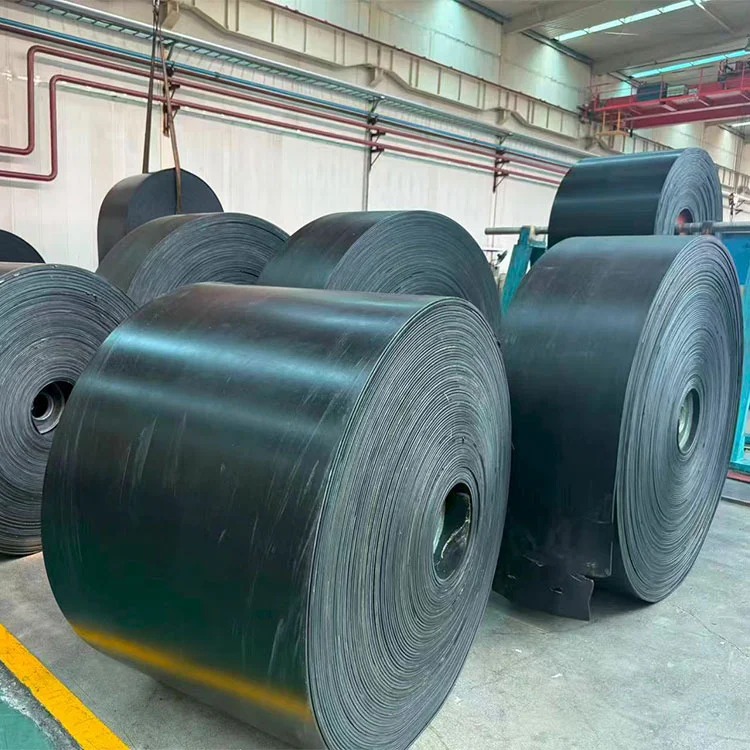
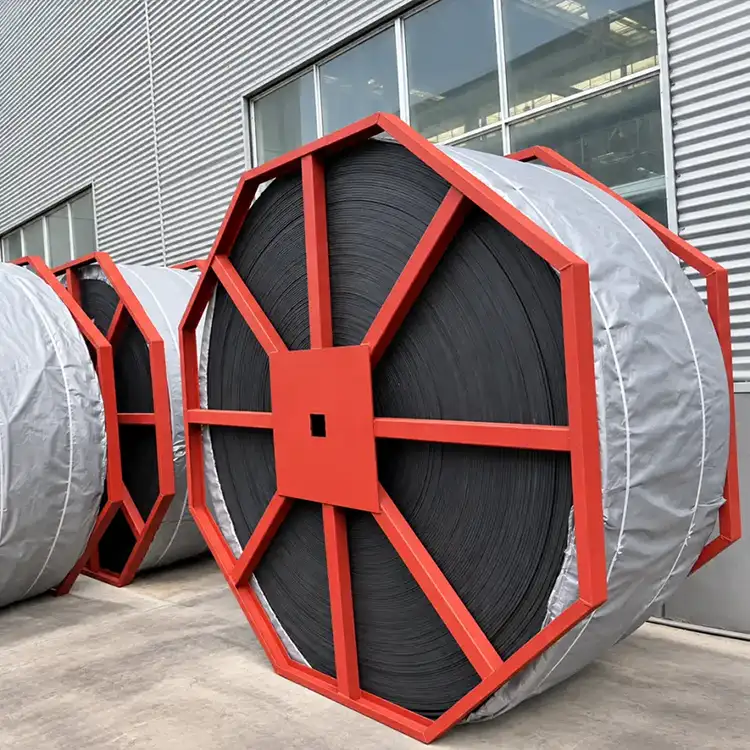
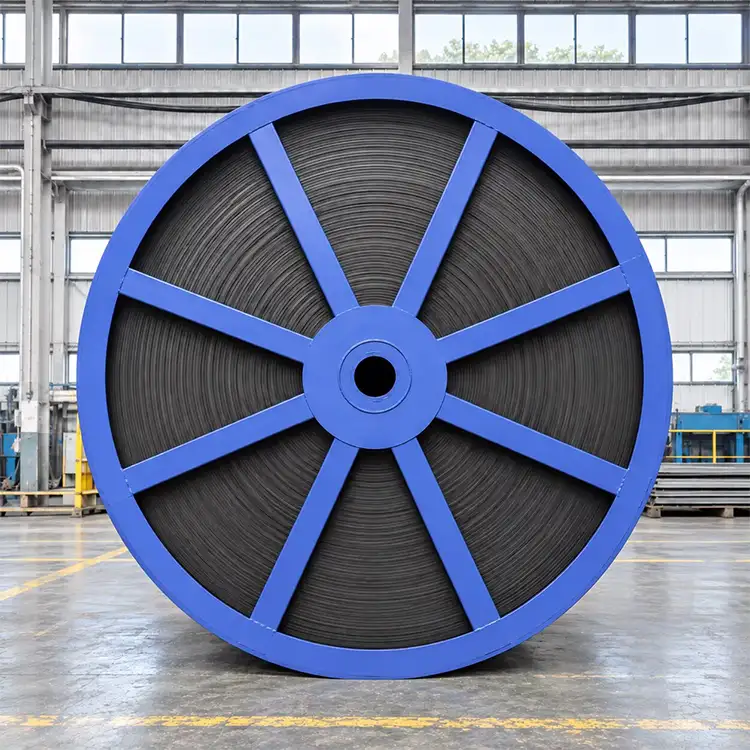
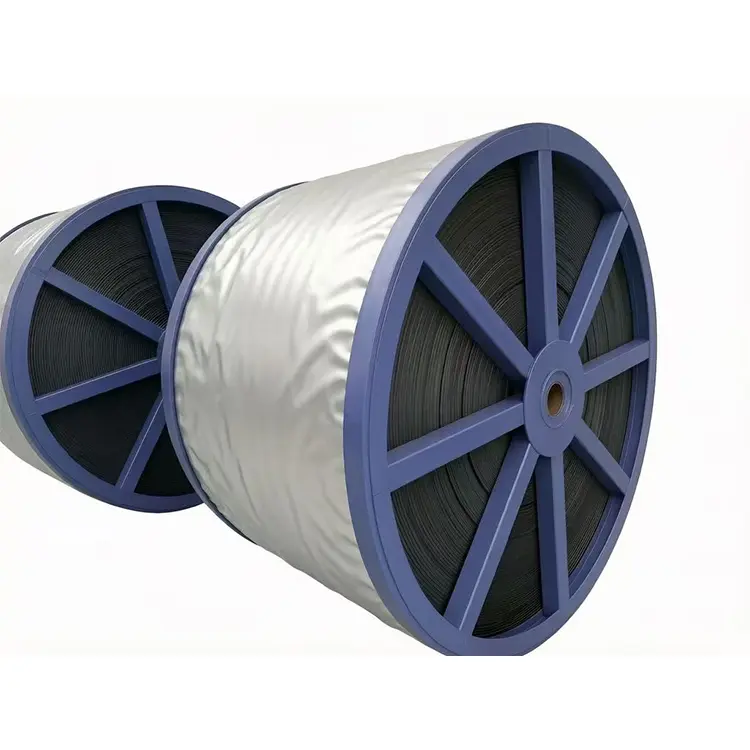
Steel cord belt rolls require packing and handling arrangements suited to their weight and dimensions. Protective wrapping, roll securing and reinforced transport supports can be discussed according to the shipment method. Confirm roll weight, outside diameter, lifting requirements and available site equipment before delivery.
Labels may identify belt type, ST rating, width, roll length, cover specification, roll number and batch details. Agree customer branding and package identification with the order. Store and handle rolls according to the supplied instructions. Manufactured in China under agreed inspection and packing arrangements.
Consider it when the conveyor calculations indicate high tension or when elongation control is significant on a long route. Final selection must include pulleys, drives, take-up and splice design.
No. The ST rating refers to nominal tensile strength per unit belt width. Conveyed load and throughput also depend on width, speed, bulk density, trough geometry and the complete conveyor design.
It identifies the nominal belt tensile strength in N/mm of belt width. It is not the permissible operating tension or the conveyor capacity; the design must account for the selected safety and splice criteria.
An engineered hot-vulcanized splice is the normal permanent joining approach for this product. Do not apply a fabric-belt mechanical joining method without construction-specific engineering approval.
No. Longitudinal reinforcement does not make a belt rip-proof. Review loading hazards, foreign objects, transverse reinforcement options and detection requirements separately.
No. Longitudinal tensile strength does not by itself prevent cuts, gouges or loading impact damage. Review lump size, drop height, cover properties and loading-point support separately.
Send the route length and elevation profile, capacity, speed, material, existing belt marking, required width, ST rating, covers, pulley data, delivery quantity and splice requirements.
| Factor | Multi-ply EP fabric belt | Steel cord belt |
| Reinforcement | Textile fabric plies | Longitudinal steel cords |
| Elongation | Generally higher | Generally lower |
| Selection focus | Tension, flexibility and layout | High tension and elongation control on the route |
| Permanent splice | Construction-specific fabric splice | Engineered hot-vulcanized cord splice |
| Cover selection | Matched to the material | Also matched to the material |
Address
Nancun Industrial district, Qingdao, Shandong, China
Tel