Email
WhatsApp

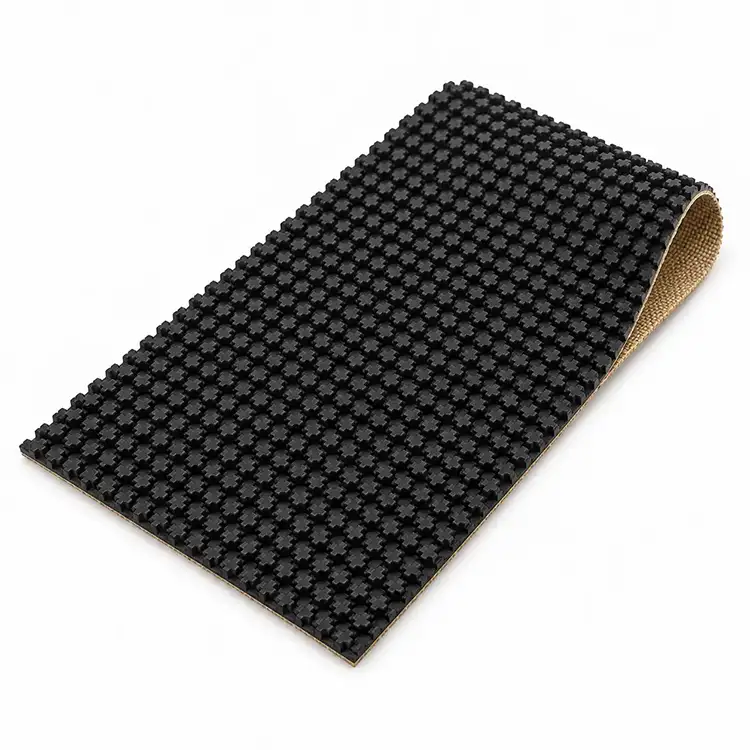
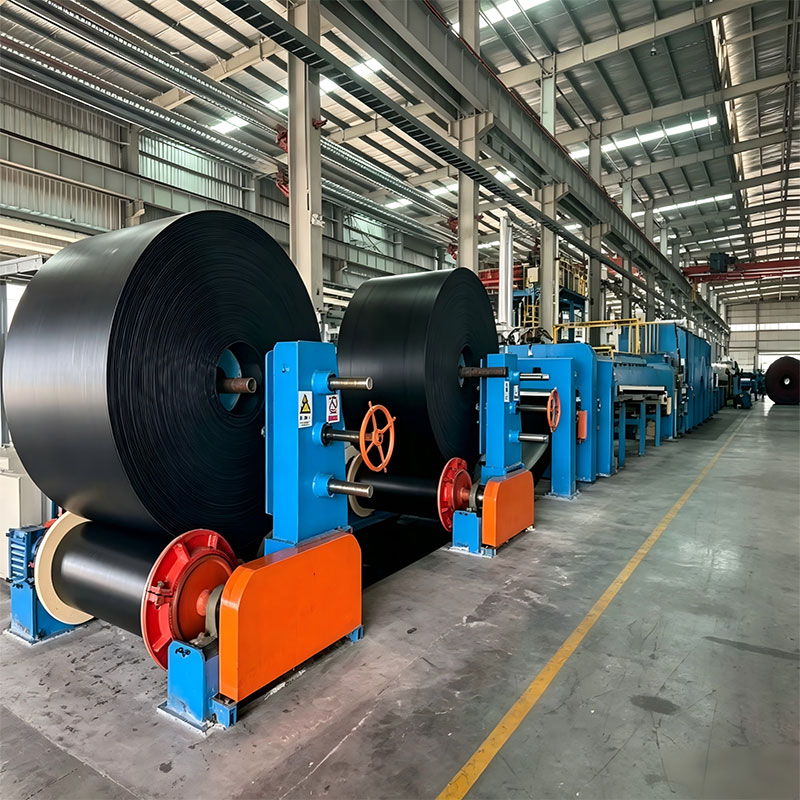
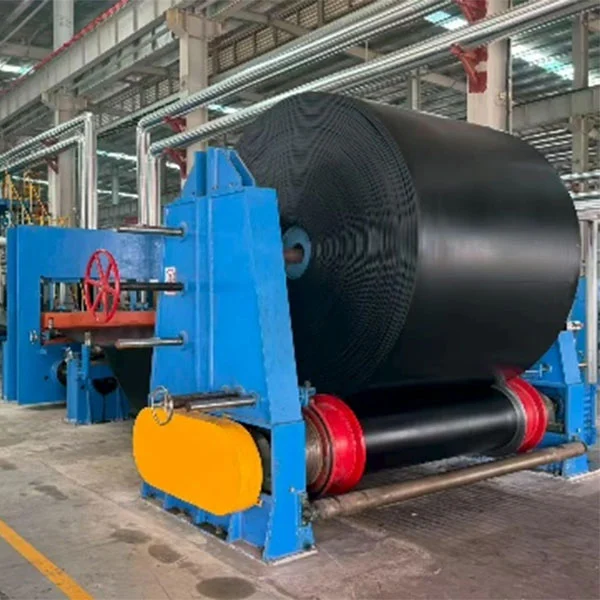
The belt typically uses a 2- or 3-ply EP fabric carcass. Different underside constructions are available for compatible conveyor support arrangements, including slider-bed and roller-supported systems. The appropriate specification depends on the package characteristics and the operating conditions of the conveyor line.
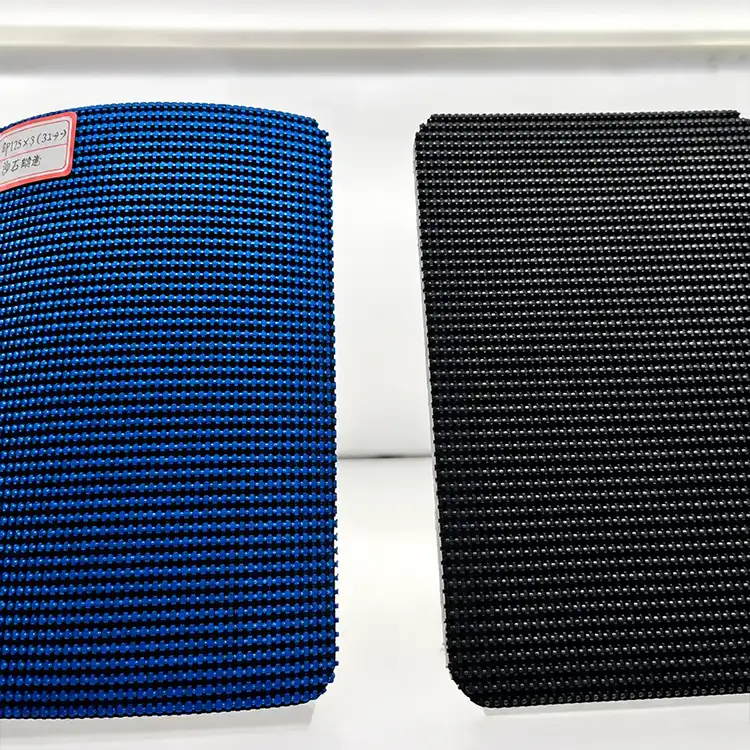
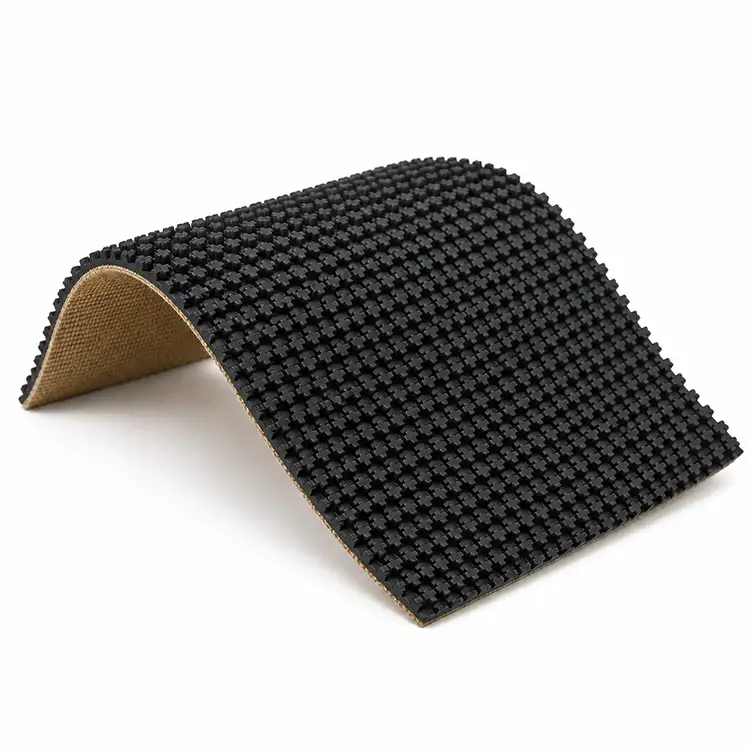
Rough Top Carrying Surface: The black rubber top cover features a raised texture that increases surface contact with the conveyed package. The actual grip depends on the package base material, surface condition, load and conveyor inclination.
EP Fabric Carcass: The typical construction uses two or three EP fabric plies, with polyester and polyamide reinforcement. The carcass provides the tensile strength required for belt operation. The final ply arrangement should be selected according to conveyor loading and operating tension.
Underside Options: An impregnated fabric underside can be used on compatible slider-bed conveyors. A rubber bottom cover is another option for suitable roller-supported equipment. The running surface should be selected according to the conveyor support and friction requirements.
Equipment Compatibility: Belt selection should take account of package dimensions, weight, belt speed, inclination, pulley diameter and transfer gaps. For unstable or irregularly shaped packages, additional guides or positioning devices may still be required.
| Item | Specification |
| Product Name | Rough Top Conveyor Belt for Packaging Lines |
| Carcass | Typically 2 or 3 EP fabric plies |
| Top Surface | Black rubber rough top pattern |
| Belt Width | Selected according to package dimensions and conveyor layout |
| Underside | Impregnated fabric or rubber bottom cover |
| Conveyor Type | Suitable slider-bed or roller-supported systems, subject to specification |
| Inclination | To be assessed according to package weight, contact surface and conveying speed |
| Edges | Typically cut edges |
| Overall Thickness | Confirmed according to the selected belt construction |
| Feature | Practical Value |
| Textured Rubber Surface | Provides additional contact grip for cartons, parcels and other packaged goods. |
| EP Fabric Reinforcement | Typical 2- or 3-ply construction supports the tensile requirements of packaging conveyor systems. |
| Underside Selection | Fabric or rubber running surfaces can be selected to suit the conveyor support arrangement. |
| Inclined Conveying | Helps reduce package movement on suitable inclines when belt texture and package contact conditions are appropriate. |
| Application-Based Specification | Belt construction, thickness and dimensions can be considered alongside package characteristics and line layout. |
Carton Conveying: Used to transfer sealed cartons between packing, sealing and downstream handling stations. The belt surface should be suitable for the carton base and the required conveying direction.
Parcel Handling: Suitable for package transfer sections where additional belt-to-package grip is needed. Package size, weight and base material should be considered during belt selection.
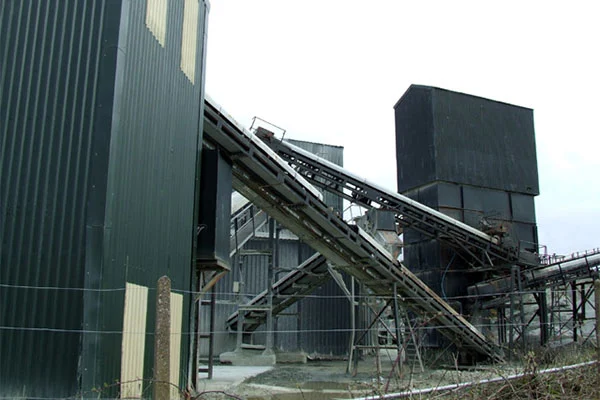
Inclined Package Conveying: Used for moving compatible cartons and parcels between different process levels. The practical inclination depends on package stability, loading, speed and surface contact.
Bagged Product Handling: Can be used to convey closed sacks or bags between filling, closing and dispatch stages. The condition and material of the bag surface should be considered when assessing grip.
Packaging Line Connections: Connects compatible conveying sections around inspection, labeling and end-of-line handling equipment. Belt dimensions and transfer gaps should be checked against the connected machinery.

Selecting a suitable rough top belt requires more than checking the belt width and overall thickness. The package and conveyor conditions affect how the belt performs during operation. The following details should be reviewed before confirming a specification.
For inclined conveying or packages with unusual base materials, the intended package should be used to assess the contact condition. A fixed maximum inclination should not be assumed without checking the actual operating setup.
The belt specification should clearly identify the carcass construction, rough top surface, underside type, width, thickness and required length. These details provide a basis for confirming that the supplied belt matches the intended conveyor application.
Dimensional checks, surface appearance, adhesion requirements and mechanical properties should be agreed in the order specification. Where inspection records or test documents are required, their scope and acceptance criteria should be confirmed before production.
Construction Options: The available fabric or rubber underside options allow the belt specification to be considered against different conveyor support arrangements.
Application-Based Selection: Package weight, base material, inclination and conveying speed are relevant when choosing a rough top surface and carcass construction.
Equipment Matching: Belt thickness, pulley diameter, transfer gaps and connected machinery should be reviewed together to reduce specification mismatches during installation.
Clear Specification: Confirming belt dimensions, construction and inspection requirements before ordering helps both parties work from the same technical requirements.

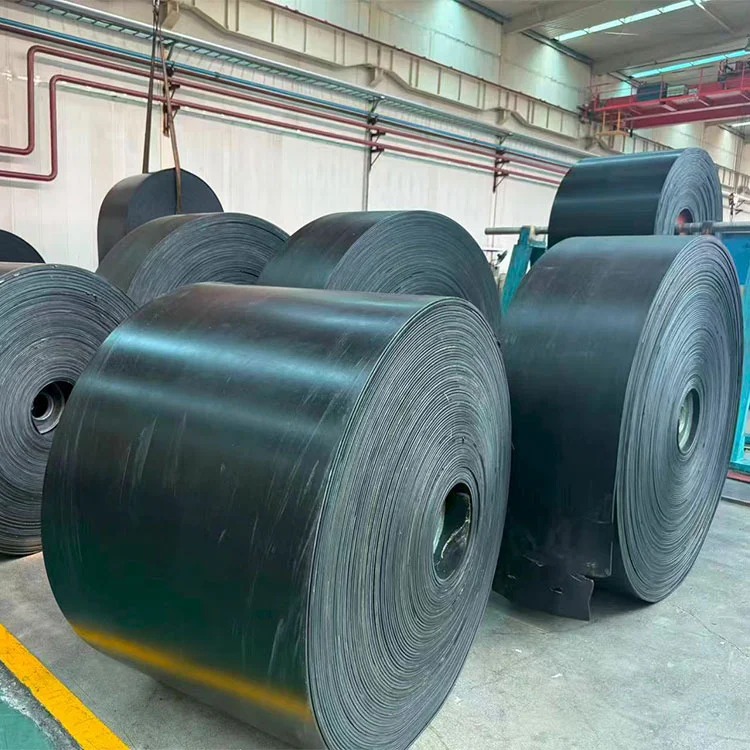
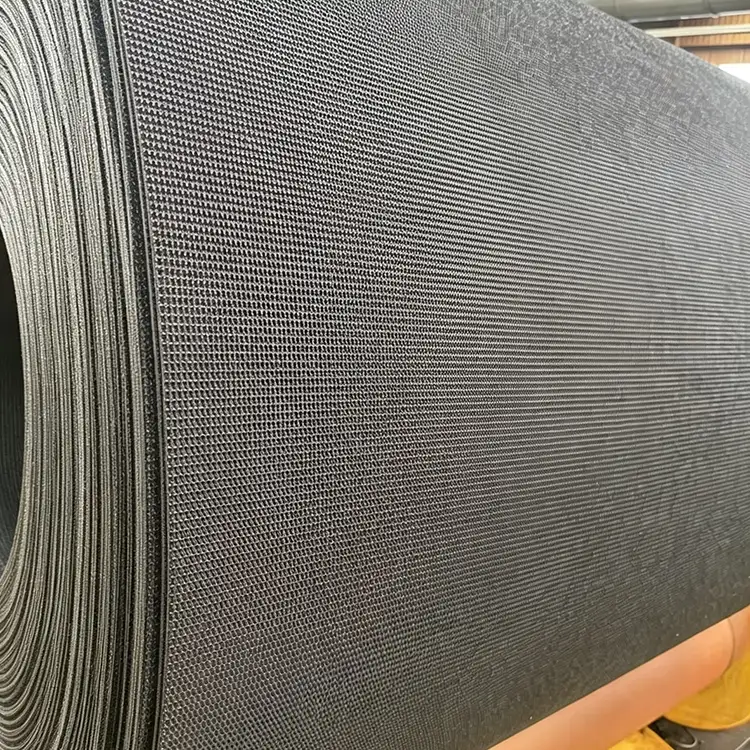
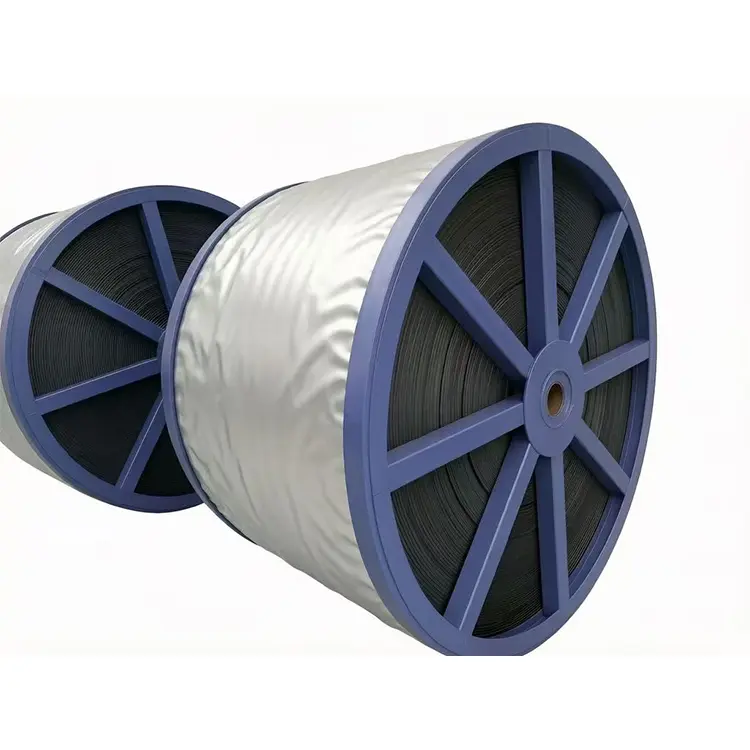
Roll Protection: Conveyor belt rolls should be wrapped and protected against moisture, contamination and mechanical damage during storage and transportation. The rough top surface should be protected from crushing and damaging contact.
Roll Support: The reel or support arrangement should be suitable for the belt dimensions, lifting method and transportation conditions.
Product Identification: Order references, belt specifications, roll lengths and roll or batch identification should be confirmed for shipment documentation.
Transportation: Suitable blocking and securing arrangements should be used to limit roll movement during handling and transit.
It is used to convey cartons, parcels, sacks and other packaged goods where additional contact grip is required. The textured rubber surface helps reduce package sliding under suitable operating conditions.
The typical construction uses two or three EP fabric plies. The required ply arrangement and belt strength should be selected according to conveyor loading and operating tension.
Yes. The available options described for this product include an impregnated fabric underside and a rubber bottom cover. The selection depends on whether the belt runs on a compatible slider bed or roller-supported arrangement.
It can be considered for inclined package conveying where additional surface grip is needed. The suitable inclination depends on package weight, base material, belt speed and operating conditions. It should be assessed using the actual package and conveyor setup.
Useful information includes the required belt width and length, package dimensions and weight, package base material, conveyor type, belt speed, inclination, pulley diameter and preferred underside construction.
The belt construction and shipment requirements should be confirmed in the order specification. This includes the carcass, top surface, underside, dimensions, roll protection and identification requirements.
Address
Nancun Industrial district, Qingdao, Shandong, China
Tel