Email
WhatsApp

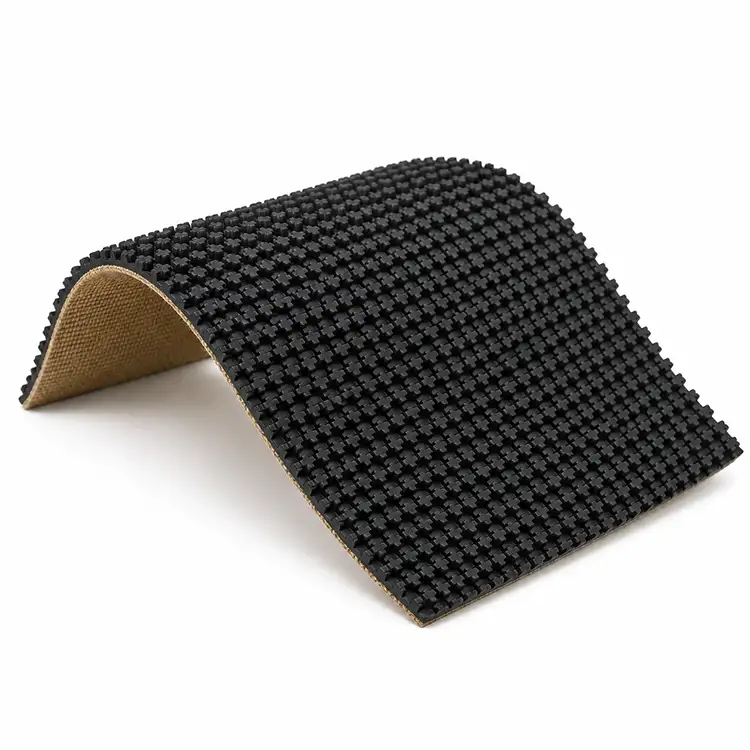
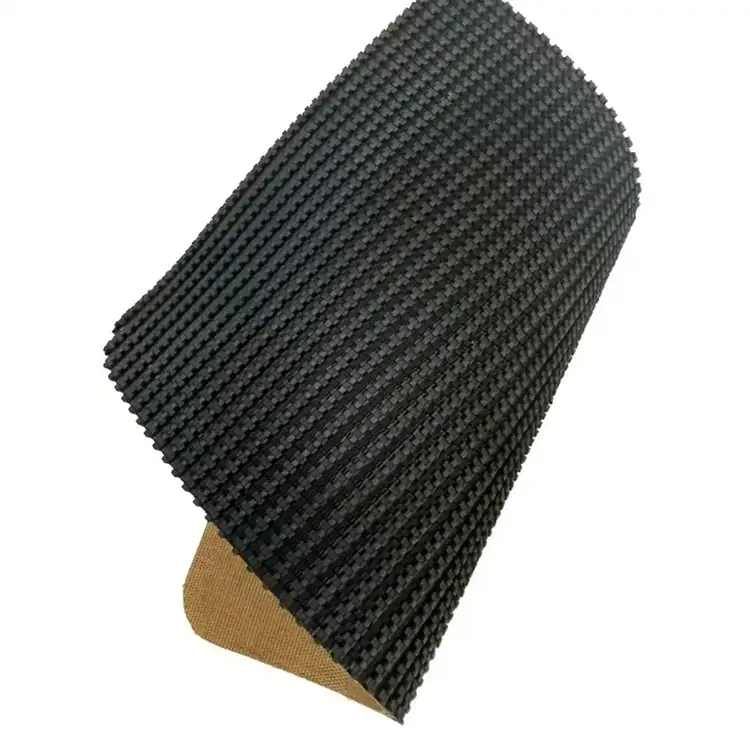
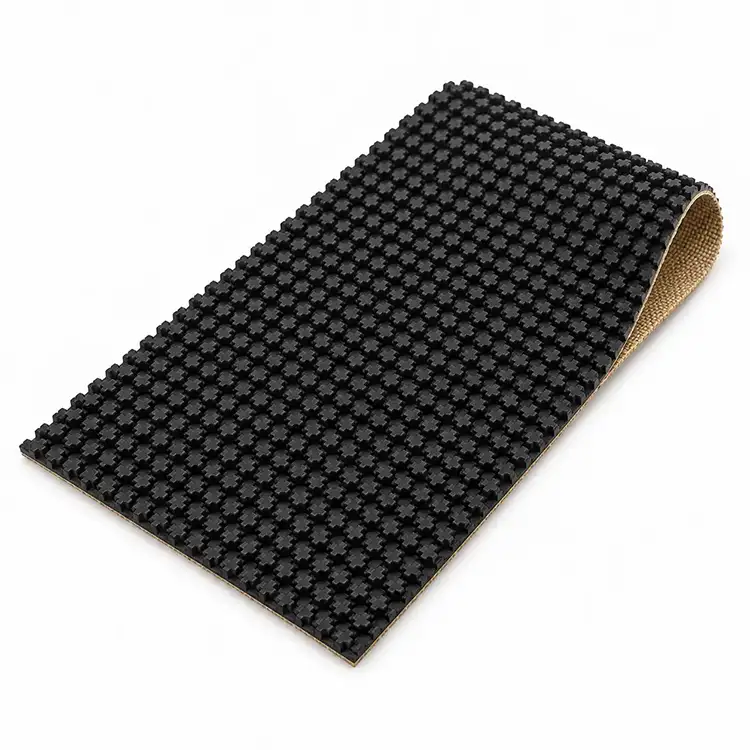
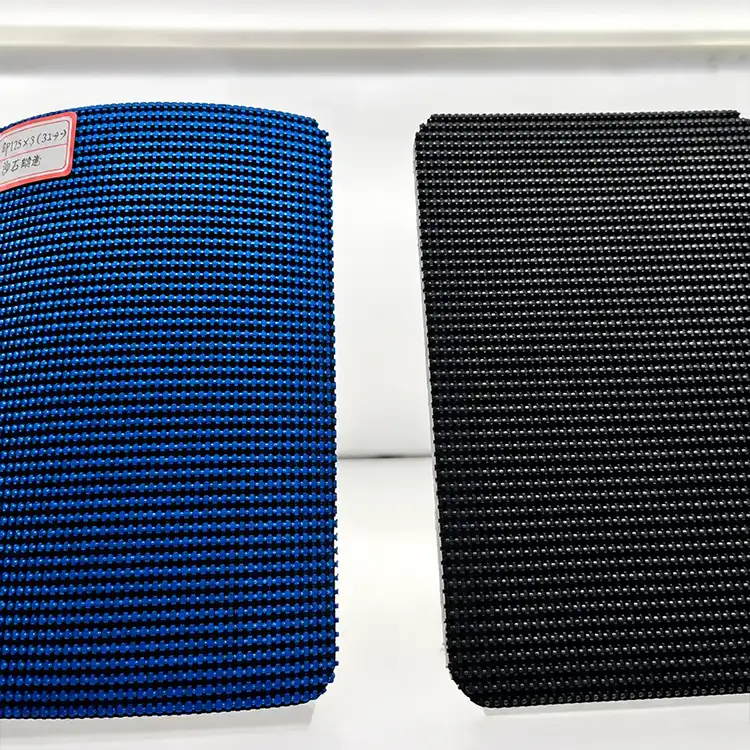
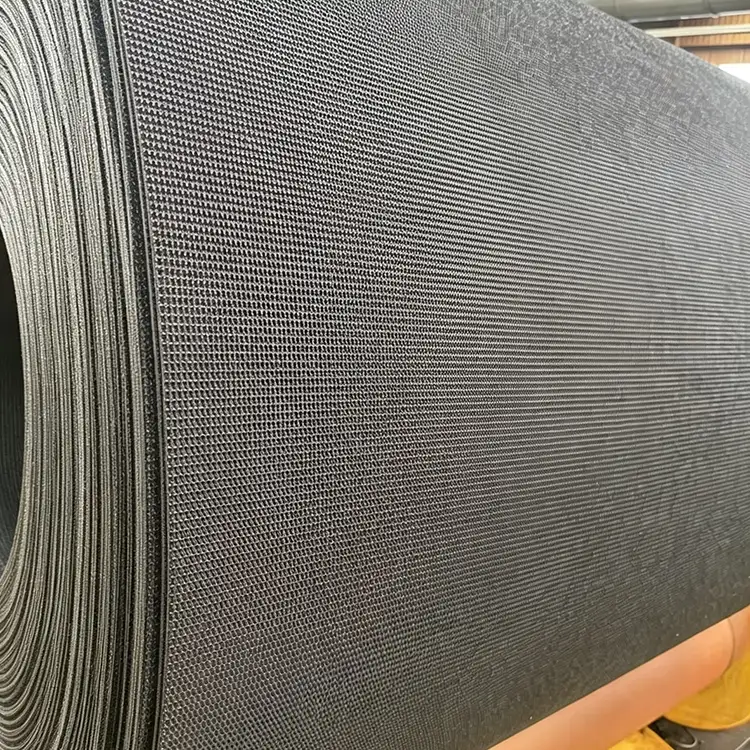
Moving grain uphill can cause material to slide backward, reducing conveying efficiency and creating spillage. The Rough Top Belt for Agriculture uses a patterned rubber surface to increase contact friction and help keep dry agricultural materials moving along the belt.
The EP polyester fabric carcass provides tensile strength and flexibility for grain elevators, farm conveyors, silos and feed processing lines. Available strength grades range from EP100 to EP500 and beyond, with belt widths from 300 mm to 2200 mm. The maximum reference inclination is 20° for dry grain and feed, depending on material properties and conveyor conditions.
| Item | Specification |
| Product Name | Rough Top Belt for Agriculture |
| Carcass | EP polyester fabric |
| Strength Grade | EP100, EP150, EP200, EP250, EP300, EP400, EP500 and other available grades |
| Belt Width | 300–2200 mm |
| Surface Pattern | Rough-top anti-slip texture |
| Maximum Inclination | Up to 20° for dry agricultural materials, depending on operating conditions |
| Operating Temperature | -10°C to 60°C |
| Cover Rubber | Wear-resistant rubber; thickness customizable |
Improved surface grip: The rough-top texture helps reduce backward sliding when conveying dry grain and feed on inclined sections.
Flexible EP carcass: The fabric structure supports stable belt operation when matched to the conveyor design and correctly tensioned.
Wear-resistant cover: The rubber surface is designed for repeated contact with agricultural bulk materials during routine conveying.
Configurable construction: Belt width, strength grade, pattern height and cover thickness can be selected according to material type and operating requirements.
Grain silos: Transfer wheat, corn, rice and soybeans between receiving and storage points.
Farm conveyors: Move dry seeds, grain and suitable feed materials along inclined routes.
Grain processing plants: Connect cleaning, grading, drying and packaging equipment.
Feed mills: Convey grain ingredients and suitable pellet feed between processing stages.
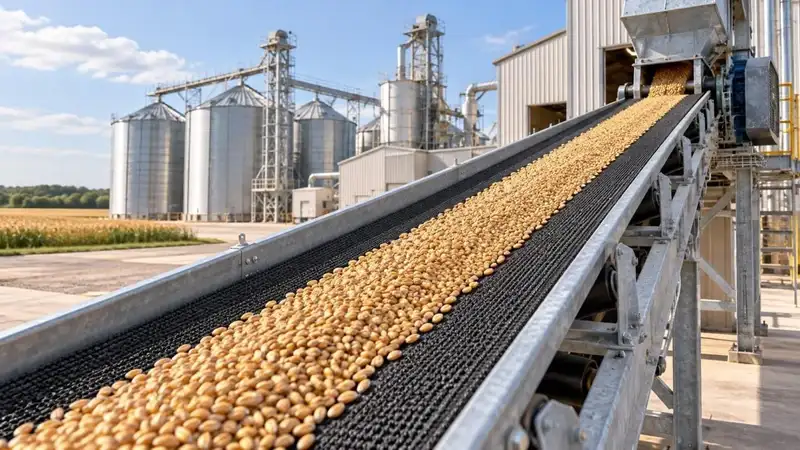
The required configuration depends on conveyor inclination, material moisture, particle size, loading rate and pulley diameter. The 20° inclination is a reference for dry grain and feed, not a guaranteed limit for every installation. Steeper conveying routes may require cleats or another belt design.
When specifying a Rough Top Belt for Agriculture, confirm the belt width, strength grade, cover thickness, pattern height and working temperature to match the conveying system.
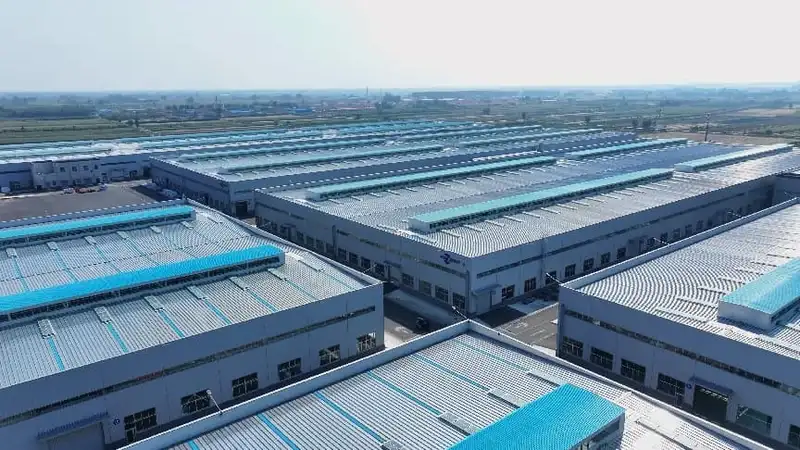
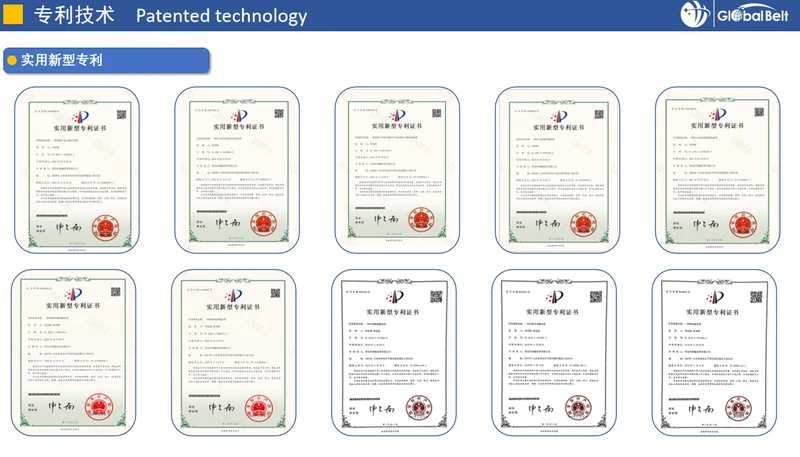
Production is supported by an in-house workshop and batch quality control. Product dimensions and inspection requirements can be checked against the confirmed order specifications.
Products are stated to conform to applicable ISO and GB/T standards. SGS test reports and ITP inspection documents can be provided upon request, subject to the product and agreed inspection scope.
Global Belting provides assistance with belt selection, tension calculations and installation or splicing guidance for agricultural conveying systems. Belt dimensions, strength grade and surface requirements can be reviewed before production.
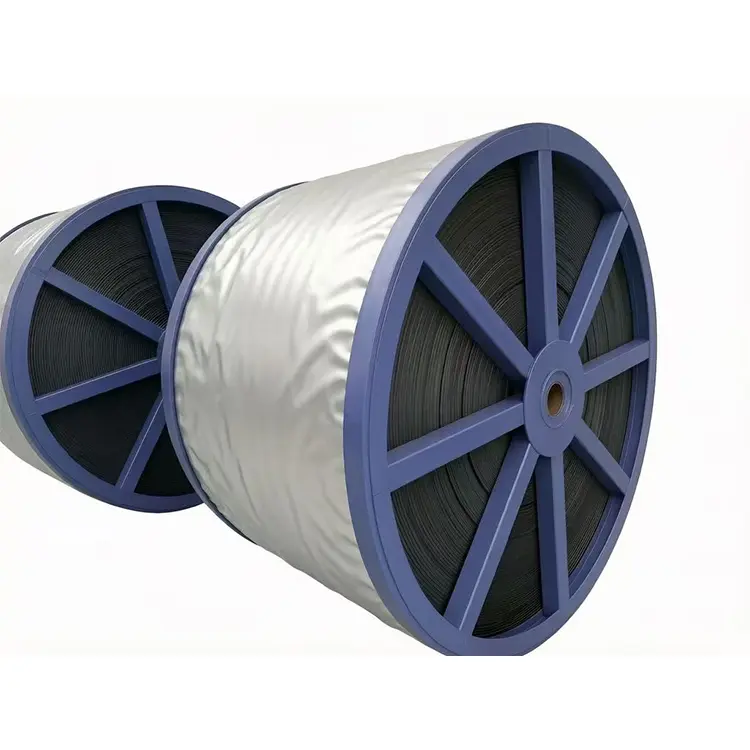
Standard packaging: Belt rolls are wrapped in plastic film and woven cloth to help protect against dust and moisture.
Optional packaging: Cassette-style packaging, elongated elliptical frames and octagonal frames can be discussed according to roll dimensions and handling needs.
Identification and loading: Product details, belt length, batch number and production date are marked as applicable. Rolls are secured during container loading to limit movement in transit.
The reference is up to 20° for dry grain and feed. The actual limit depends on material properties and conveyor conditions. Steeper inclines may require cleats.
It is intended for dry grain, seeds and suitable feed materials, including wheat, corn, rice, soybeans and pellet feed. Wet, sticky or muddy materials may reduce grip.
Yes. Belt width, strength grade, rough-top pattern height and cover thickness can be specified according to the conveyor layout and operating conditions.
Provide your material type, belt width, incline angle and required strength grade so the appropriate belt configuration can be evaluated for your agricultural conveying line.
Address
Nancun Industrial district, Qingdao, Shandong, China
Tel