Email
WhatsApp

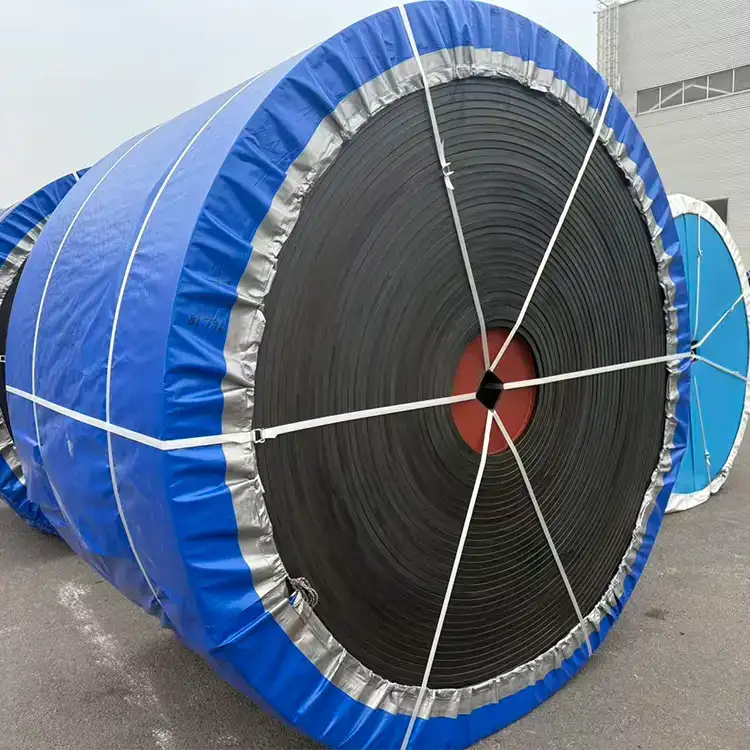
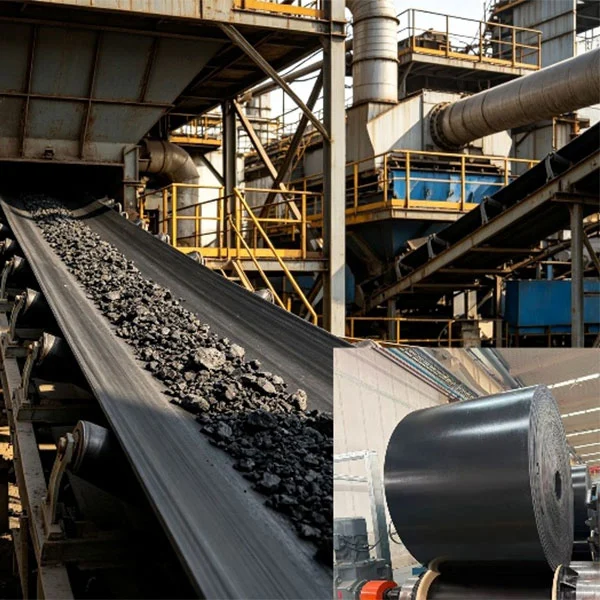
Belt width, tensile grade, cover thickness and heat-resistance grade can be selected according to the material temperature, impact level, conveying speed and operating cycle. For applications with short temperature peaks or direct contact with very hot material, share the actual working conditions for grade selection.
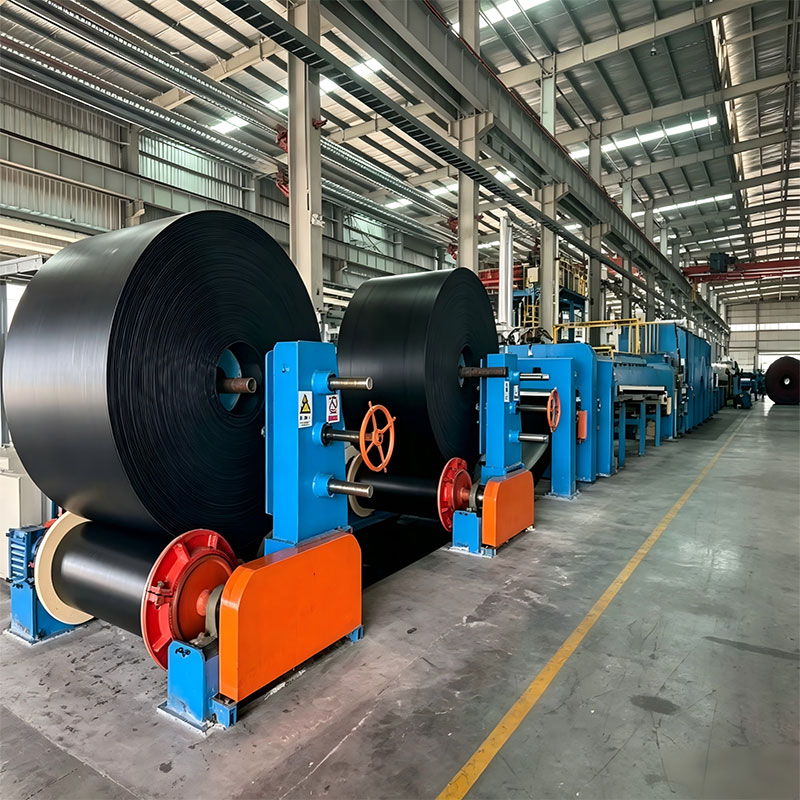
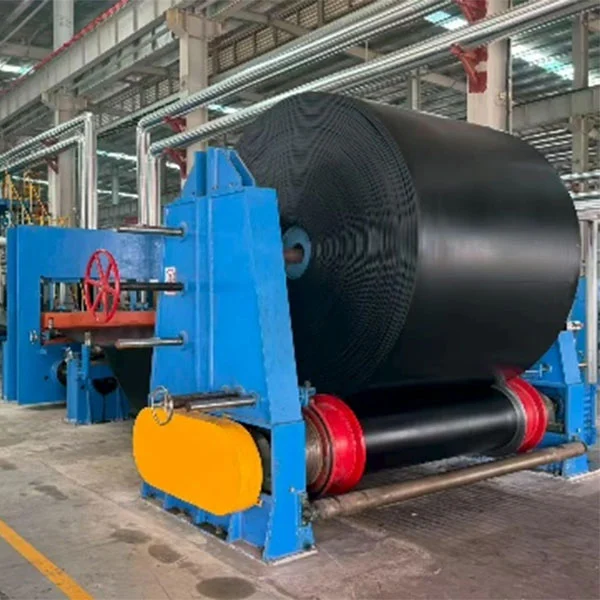
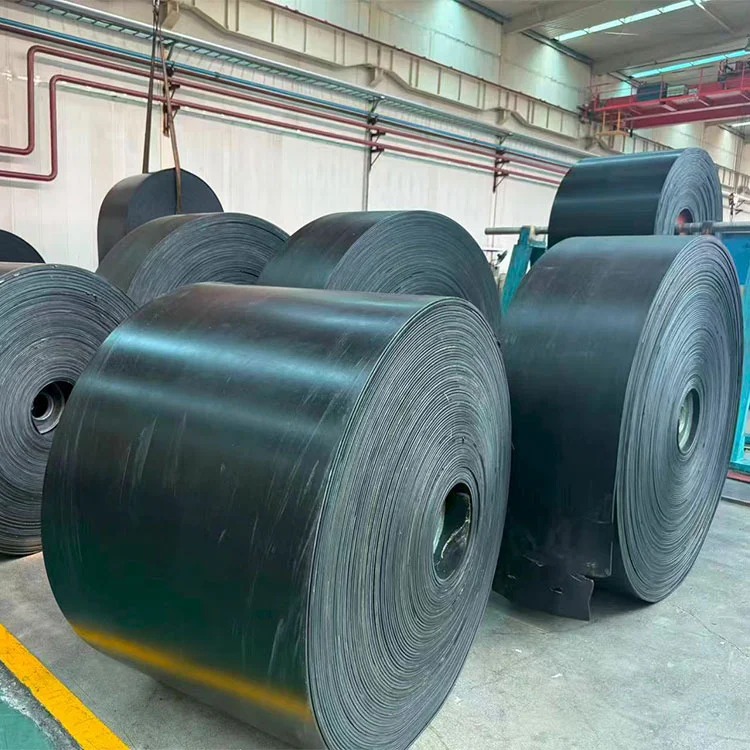
The belt uses multi-layer EP polyester fabric as its tension member. The carcass and heat-resistant rubber covers are bonded through a vulcanization process to form a flexible belt structure for continuous conveying.
During hot-material handling, the cover compound is the main barrier between the conveyed material and the fabric carcass. Selecting a suitable compound helps reduce premature cover hardening, cracking and loss of adhesion. The correct grade depends on both the material temperature and how long the belt remains in contact with it.
Top heat-resistant rubber cover: protects the belt surface from heat exposure, abrasion and material impact.
Multi-ply EP fabric carcass: carries the longitudinal tensile load and supports stable operation around pulleys.
Bottom rubber cover: provides a running surface for contact with idlers and pulleys; compound selection can be matched to the operating environment.
Heat-resistant rubber compounds can be selected for different conveying conditions. The temperature figures below are selection guidance only, not a guaranteed rating for every belt construction. The final continuous and peak temperature limits must be confirmed for the chosen compound, material type and exposure time.
|
Selection factor |
What to confirm |
|
Material temperature |
Normal operating temperature and the highest temperature reached |
|
Exposure time |
Continuous contact, intermittent contact or short temperature peaks |
|
Material condition |
Dry or wet material; fine powder, lumps or abrasive clinker |
|
Impact and abrasion |
Drop height, lump size and loading point conditions |
|
Belt construction |
EP tensile grade, number of plies, cover thickness and joint method |
|
Item |
Specification |
|
Product Type |
Heat Resistant EP Conveyor Belt |
|
Belt Structure |
Multi-ply EP fabric conveyor belt |
|
Carcass Material |
Polyester fabric with EP construction |
|
Available EP Grades |
EP100 / EP150 / EP200 / EP300 / EP400 / EP500/EP630/EP800 |
|
Belt Width |
300–2400 mm; other sizes subject to confirmation |
|
Belt Thickness |
Customized according to carcass and cover requirements |
|
Cover Rubber |
Heat-resistant rubber compound |
|
Temperature Rating |
Selected according to material temperature, exposure time and rubber grade |
|
Joint Method |
Mechanical joint or hot-vulcanized joint, subject to application requirements |
|
Typical Applications |
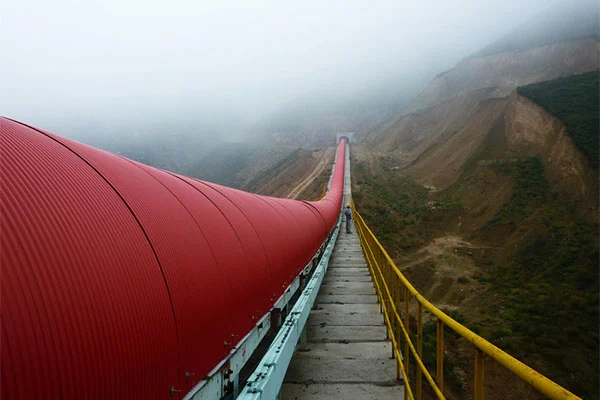
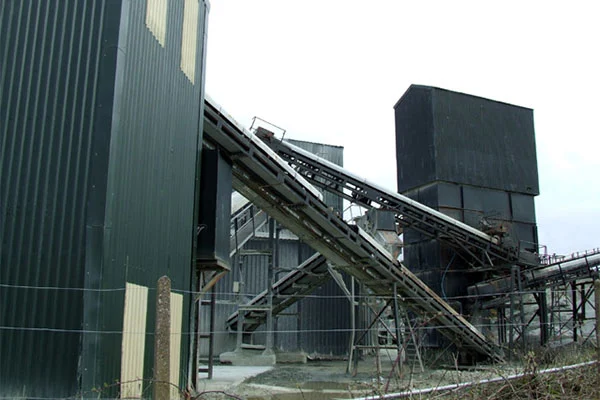
Cement, metallurgy, foundries, power generation and mineral processing |
Heat-resistant cover compound helps reduce premature hardening and cracking under elevated-temperature service.
EP fabric carcass provides tensile strength with flexibility for use on suitable conveyor systems.
Cover thickness and EP grade can be selected for the required load, impact and wear conditions.
Different heat-resistance compounds are available for continuous conveying and intermittent hot-material handling.
Belt and joint specifications can be reviewed together to reduce mismatch between the cover compound and the splice system.
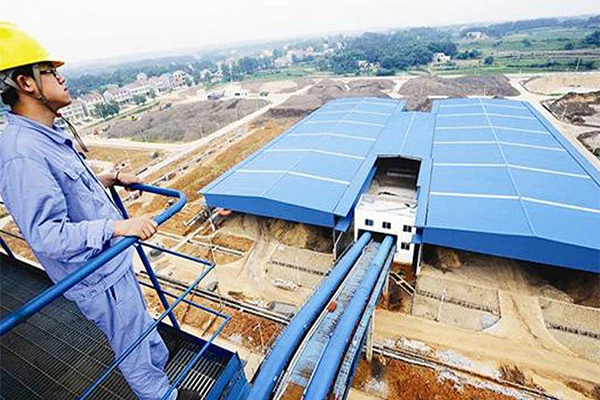
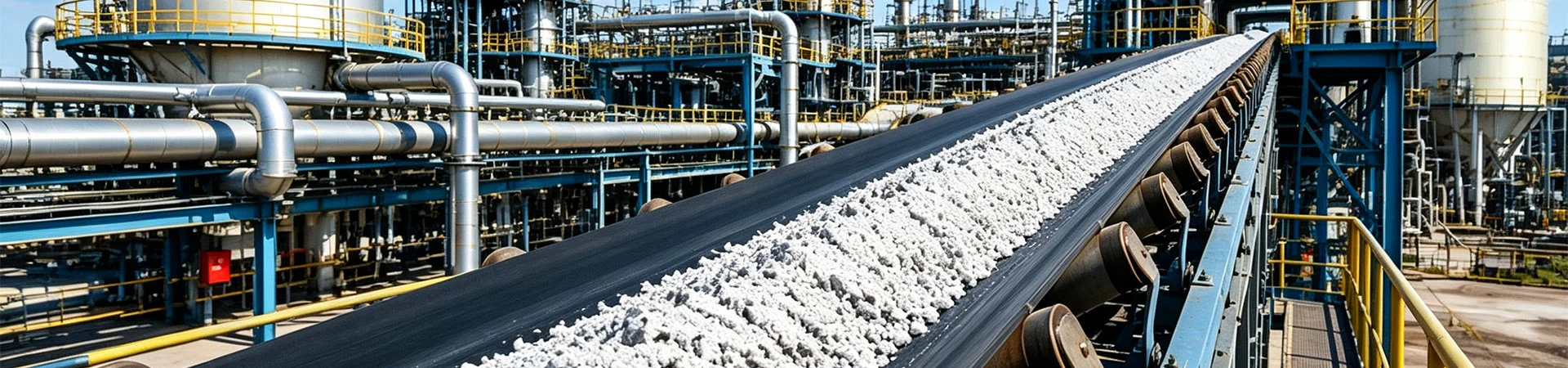
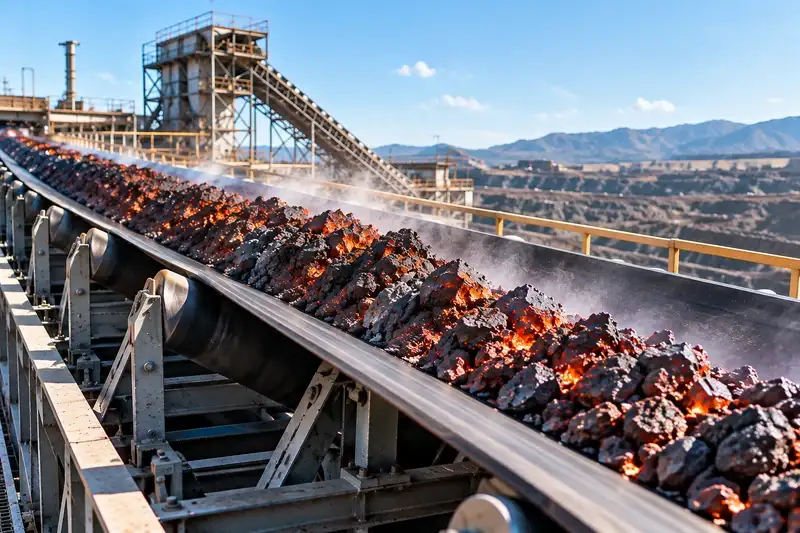
Cement plants: clinker, hot cement-related materials and kiln-area conveying, subject to temperature confirmation.
Metallurgy and foundries: hot sinter, pellets and selected mineral materials.
Power plants: hot ash and other suitable bulk materials.
Mineral processing: hot ores or aggregates where the selected compound matches the operating conditions.
Application suitability depends on actual material temperature, contact time, particle size, impact and conveyor design. Confirm these conditions before selecting the belt.
Specification matching: belt width, EP grade, cover thickness and rubber compound can be discussed against the actual conveyor conditions.
Production inspection: carcass, cover and finished-belt checks can be arranged according to the agreed quality requirements.
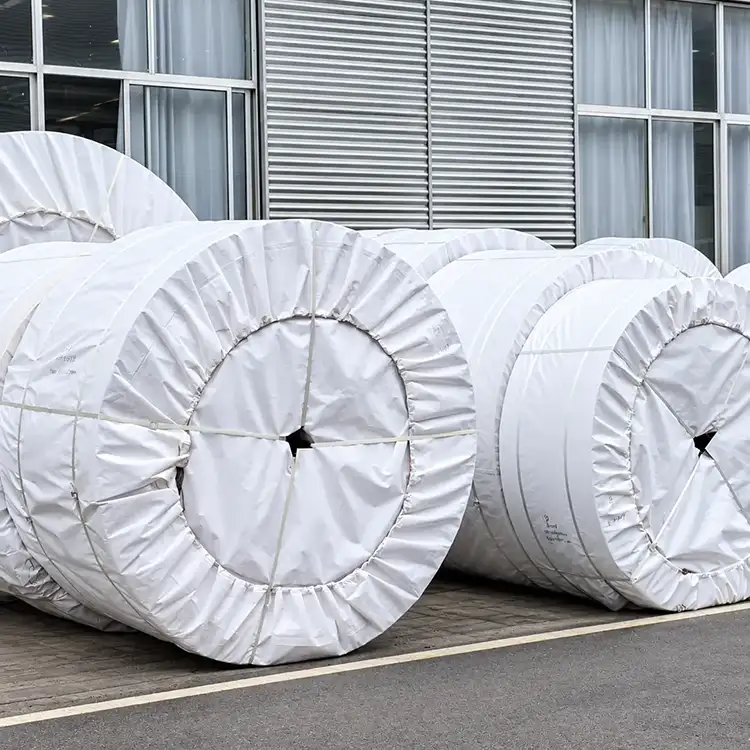
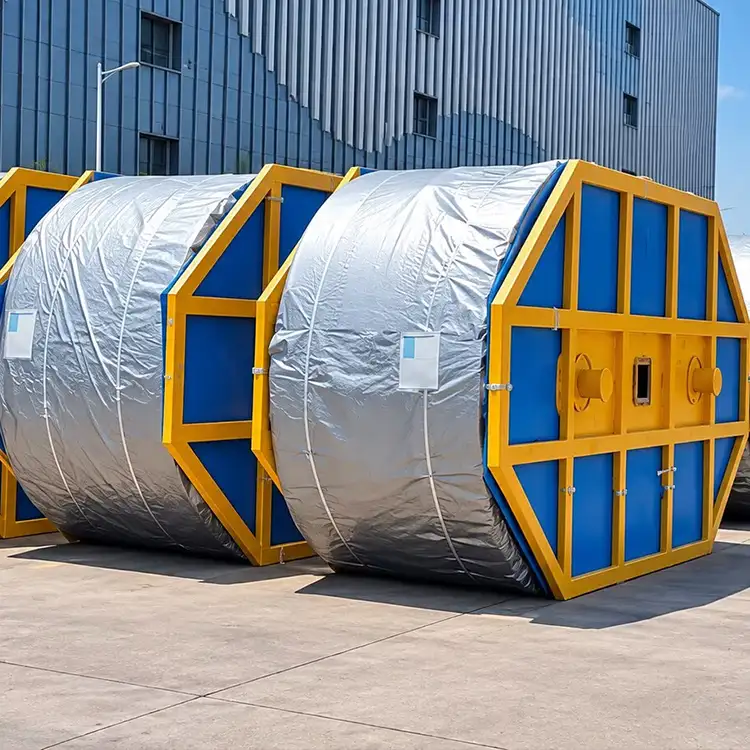
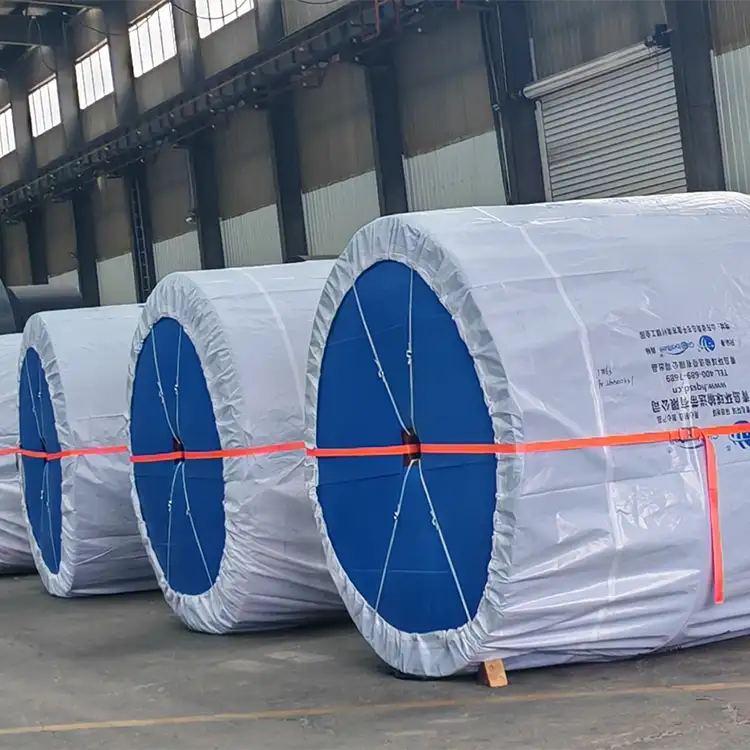
Order identification: packaging can show the product type, specification, batch number and production information.
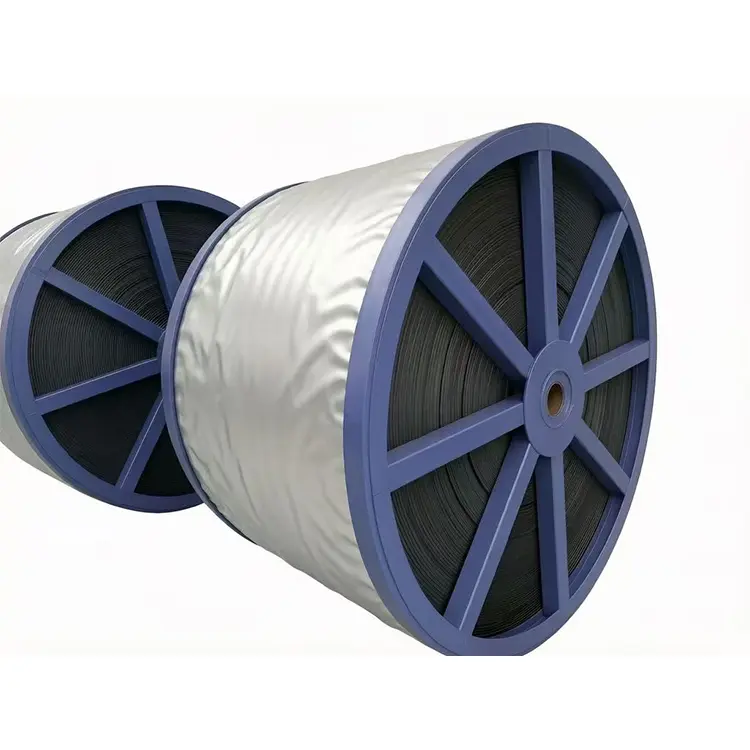
Export packing options: standard wrapping and reinforced packing are available according to shipping and handling needs.
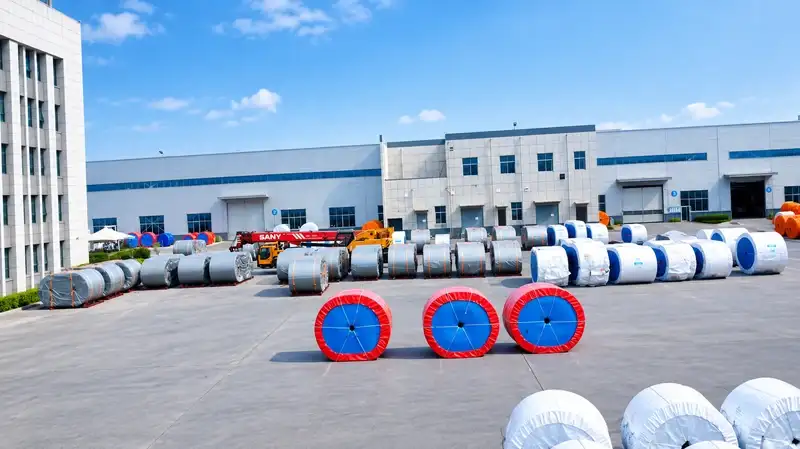
Standard packing can include:
PP woven bag wrapping.
Waterproof film.
Reinforced packing for transport protection.
Optional packing can include wooden-pallet fixing, steel-strip reinforcement and customized package printing. Package labels can show the customer logo, product specification, batch number and production information.
A: Provide the normal and peak material temperature, exposure time, material type, lump size, impact conditions, belt speed and existing belt dimensions. These details help determine the rubber grade and belt construction.
A: This depends on the selected rubber compound and the duration of the peak. Please provide both the peak temperature and exposure time for technical review.
A: EP100 to EP800 grades and customized belt thickness options are available, subject to the required belt design and order specification.
A: Mechanical and hot-vulcanized joints may be available. The appropriate method depends on the operating temperature, belt construction and site maintenance conditions.
A: Customized package printing can include a customer logo, product specification, batch number and production information.
|
Comparison Item |
Standard EP Conveyor Belt |
Heat Resistant EP Conveyor Belt |
|
Rubber Cover |
General-purpose rubber compound |
Heat-resistant rubber compound selected for operating conditions |
|
Main Consideration |
General bulk material conveying |
Elevated material temperature and exposure time |
|
Typical Risks if Misapplied |
May harden, crack or wear prematurely under excessive heat |
Performance depends on matching the compound to actual temperature and duty cycle |
|
Selection Basis |
Load, abrasion, belt dimensions and general operating conditions |
Load, abrasion, material temperature, exposure time, cover thickness and joint design |
Address
Nancun Industrial district, Qingdao, Shandong, China
Tel