Email
WhatsApp

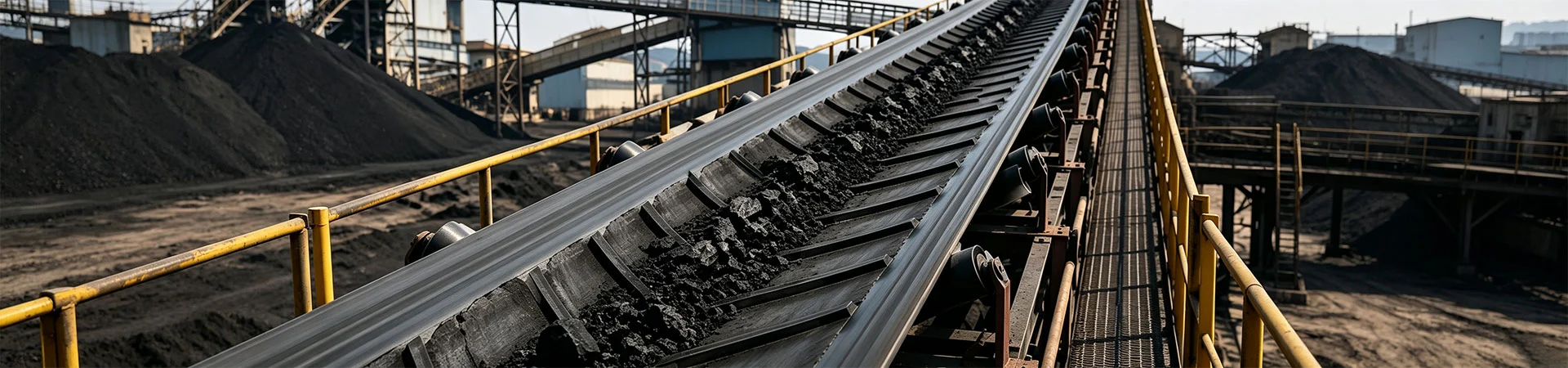
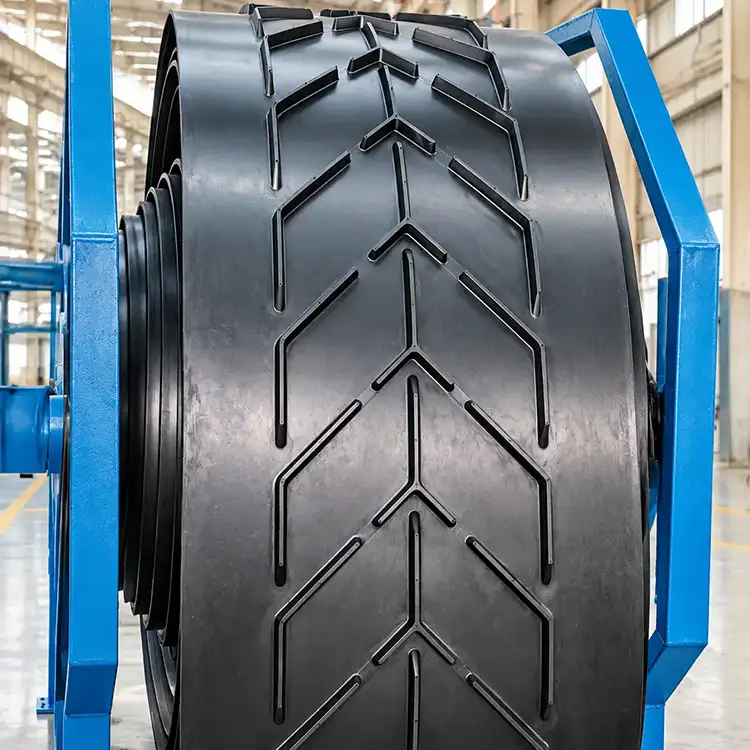
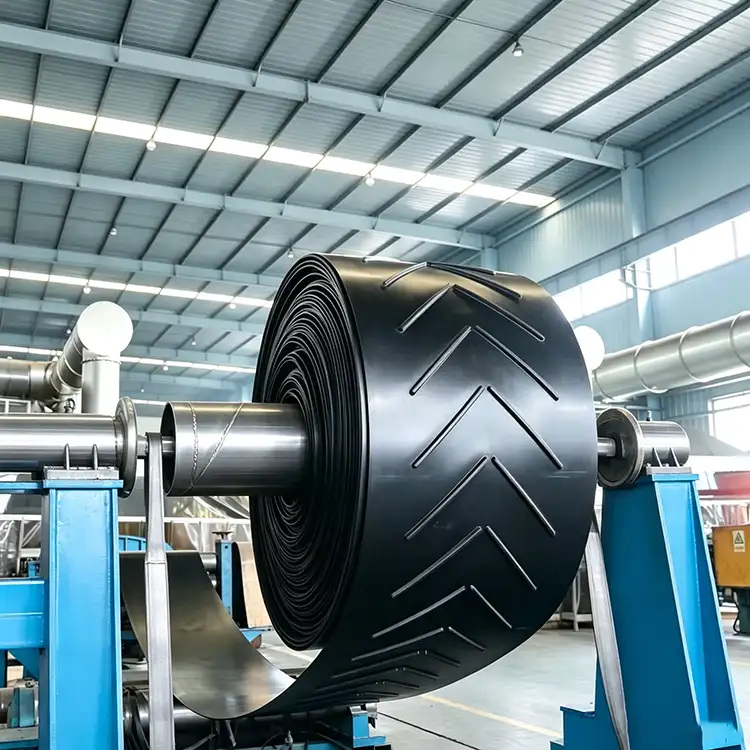
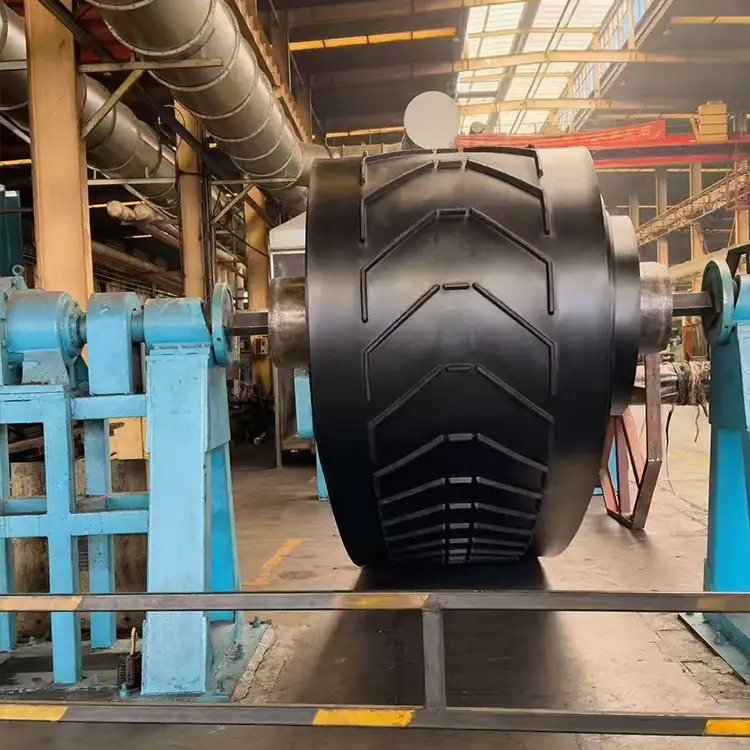
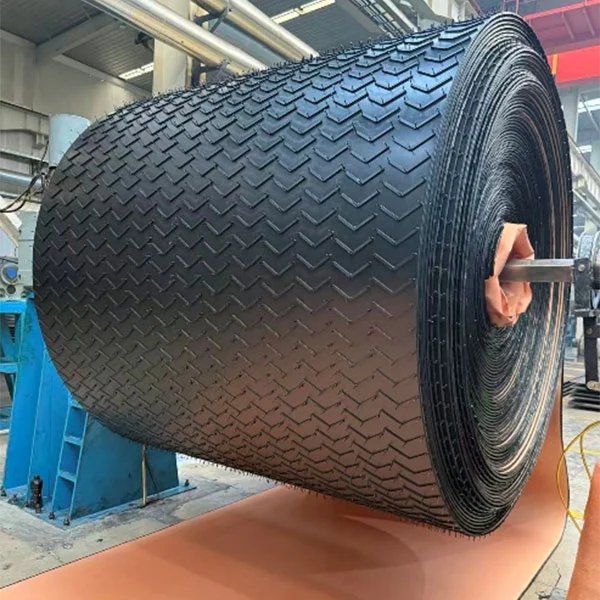
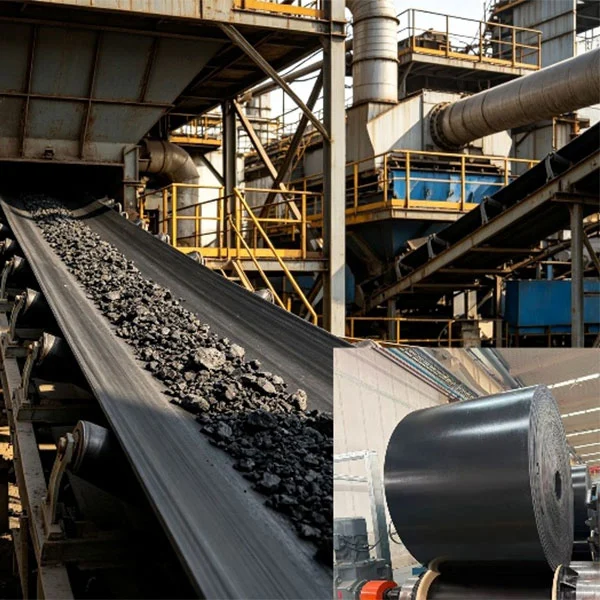
For inclined conveying, a Chevron Conveyor Belt for Sand and Gravel can be specified with a chevron or cleated carrying surface to help retain material and reduce rollback. Cleat profile, height, spacing and belt construction are matched to material size, loading conditions and conveyor inclination. A smooth-top belt may also suit horizontal or low-incline applications.
Abrasion-resistant cover: The carrying-side rubber cover is selected to withstand wear from sand, gravel, crushed stone and other abrasive materials. Cover compound and thickness are agreed for the actual duty.
Carcass reinforcement: Fabric reinforcement options such as EP or NN are considered according to belt strength, elongation, impact and conveyor tension requirements. The exact carcass type and ply arrangement are confirmed for the order.
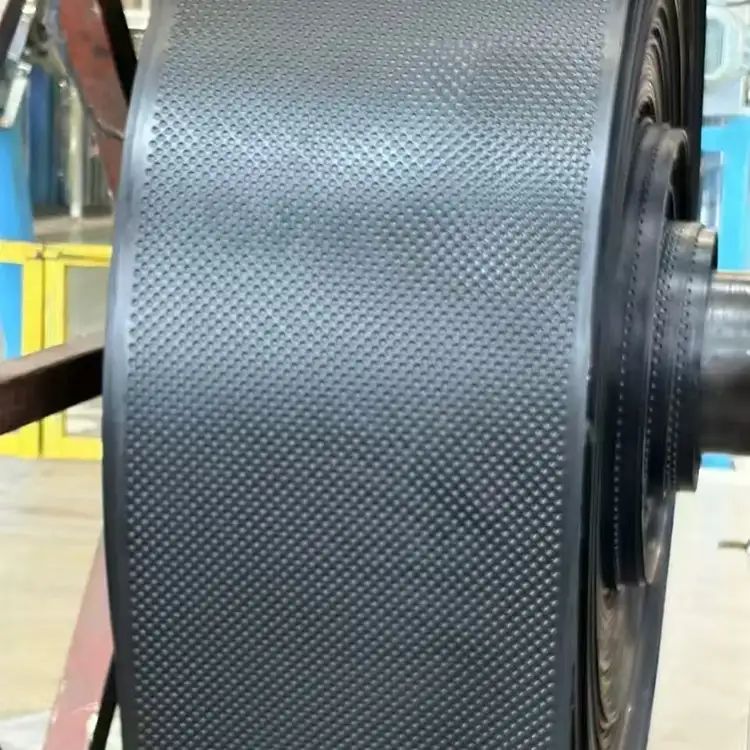
Chevron or cleated surface: For inclined conveying, a raised chevron-style or other cleated pattern can help limit material rollback. Pattern type and dimensions are selected according to the conveyed material and conveyor design.
Integrated cleat construction: For cleated belts, you can customize cleat profile, height and spacing to the material and conveyor. Cleats and base belt are manufactured as a compatible integrated vulcanized construction to help prevent cleat separation.
Impact and flexibility: The belt construction accommodates loading impact, repeated flexing and the conveyor's troughing and pulley arrangement.
Operating-condition matching: Material size, bulk density, drop height, throughput, belt speed, incline, pulley diameter, idler arrangement and transfer-point geometry are checked before final selection.
The supplied reference images describe general conveyor-belt and chevron-belt characteristics but do not provide a complete numerical specification for this Chevron Conveyor Belt for Sand and Gravel. Confirm the following items for the selected product and application.
| Specification Item | Selection / Confirmation |
| Product type | Chevron Conveyor Belt for Sand and Gravel |
| Carcass material | EP / NN or other available construction; confirm for the application |
| Carcass strength and ply count | Selected according to conveyor tension and duty |
| Belt width | Selected to conveyor layout and required throughput |
| Top cover compound | Abrasion-resistant rubber; grade to be confirmed |
| Top cover thickness | Selected according to material abrasiveness and impact |
| Bottom cover thickness | Confirmed according to pulley and support conditions |
| Surface pattern | Smooth top or chevron / cleated pattern, depending on conveying angle and material |
| Cleat profile and height | Specified according to material size, incline and conveyor design |
| Belt thickness | Confirmed for selected carcass and cover construction |
| Operating temperature | Confirmed for the actual material and site conditions |
| Pulley diameter and splice | Confirmed against belt construction and conveyor design |
Specification note: the chevron reference image mentions incline angles of 16°–45° for its adjustable chevron-belt design. This is reference information only, not a universal operating range for every Chevron Conveyor Belt for Sand and Gravel. The permissible inclination is confirmed for the selected cleat pattern, material and conveyor system.
Abrasion protection: Rubber cover compound and thickness address wear from continuous aggregate contact.
Impact resistance: Carcass and cover construction suit material loading and impact at transfer points.
Inclined conveying options: Chevron or cleated patterns can be used where additional material retention is required on inclined conveyors.
Integrated cleat bonding: For cleated designs, integrated vulcanized construction helps reduce the risk of cleat separation from the base belt.
Flexible belt construction: The belt is designed to work with the specified pulley, idler and troughing arrangement.
Application-specific design: Carcass strength, cover properties and surface pattern are selected according to the operating requirement.
Sand and gravel plants: Transfer sand, gravel and screened aggregates between washing, screening, stockpiling and loading stages.
Quarries and crushed-stone operations: Convey crushed rock and stone from crushers to screens, stockpiles and downstream processing equipment.
Construction-material production: Move aggregates and other bulk raw materials used in concrete, asphalt and building-material production.
Ports and transshipment facilities: Handle aggregate cargo between unloading points, storage areas and dispatch conveyors.
Recycling operations: Convey suitable recycled aggregates and crushed construction materials, subject to material and contamination assessment.
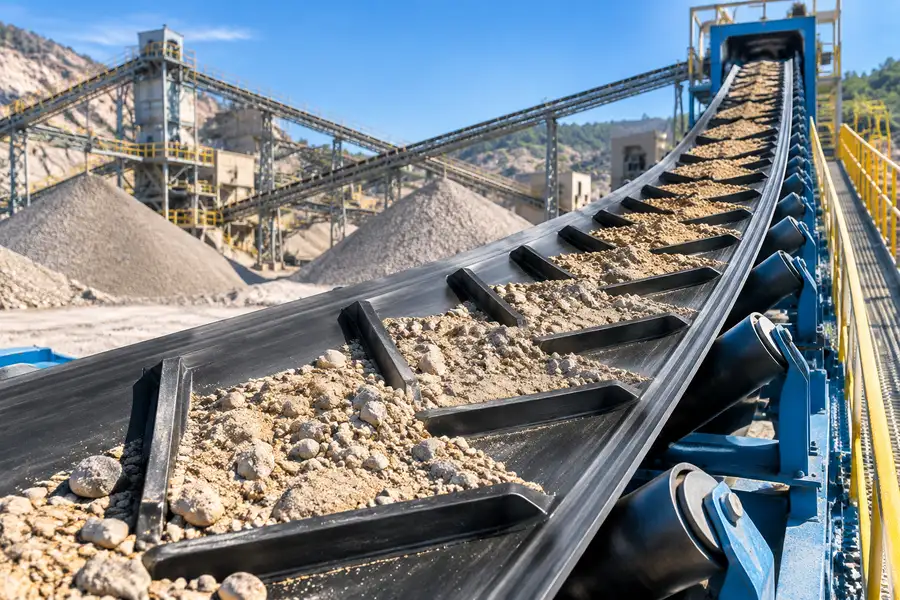
Manufacturer-backed application assessment reviews material type, particle size, bulk density, throughput, drop height, loading impact and operating environment.
Belt construction selection covers carcass type, tensile strength, ply arrangement, belt width and cover thickness according to conveyor tension and duty.
Surface-pattern selection assesses whether a smooth, chevron or other cleated surface is appropriate. Cleat profile and dimensions are confirmed against material and incline.
Conveyor compatibility review checks pulley diameters, troughing, idler arrangement, transition areas, belt speed and splice requirements.
Inspection covers dimensional, appearance, adhesion and mechanical requirements, together with batch identification, factory inspection records and order traceability. Quality inspection requirements are agreed before production.
Belt construction selected for the abrasive conditions of sand, gravel and aggregate handling.
Smooth-top and cleated surface options considered according to conveyor layout and incline.
Carcass reinforcement and rubber-cover properties matched to the required operating duty.
Technical coordination on material loading, belt geometry, pulley arrangement and cleat design.
Supplier confirmation covers agreed inspection criteria, product identification and export packing arrangements.
Roll protection: Belt covers, edges and cleats are protected from moisture, contamination, crushing and handling damage during storage and transport.
Reel and support: Roll dimensions, reel or support arrangement, lifting method and roll weight are confirmed before shipment.
Identification: Each roll is labeled with order reference, belt type, carcass specification, dimensions, surface pattern, roll length and batch or roll number as agreed.
Transport securing: Rolls are blocked and secured to prevent movement, deformation and damage during transit. Manufactured in China under agreed inspection and packing arrangements.
A: This Chevron Conveyor Belt for Sand and Gravel is intended for sand, gravel, crushed stone and other suitable aggregate materials. Final selection depends on particle size, abrasiveness, loading impact and operating conditions.
A: A smooth-top belt may suit horizontal or low-incline conveying. A chevron or cleated pattern may help retain material on inclined routes. The correct design depends on material and conveyor layout.
A: The rubber cover compound and thickness are selected to resist wear from aggregate contact. The carcass provides reinforcement and is selected separately for the conveyor duty.
A: For cleated designs, pattern type, profile, height and spacing are specified according to material size, incline and equipment arrangement.
A: The chevron reference image mentions 16°–45° for its adjustable design. This is not a guaranteed range for every belt. The permissible angle is confirmed for the selected pattern and actual operating conditions.
A: Yes. Carcass construction, strength, width, cover thickness and surface pattern are agreed according to the conveyor design and application requirements.
Address
Nancun Industrial district, Qingdao, Shandong, China
Tel